

If you’re still feeling discomfort after a root canal, it’s understandable to feel frustrated and unsure about your next steps. Whether you’re exploring the vibrant streets of downtown Colorado Springs or taking in the views from Garden of the Gods, you don’t want tooth pain holding you back. In a city known for its active lifestyle and outdoor adventures, getting the right dental care is crucial.
Want to know why it may still be hurting and when re-treatment is the right decision? Keep reading this blog till the end.
What Causes Pain After a Root Canal Treatment?
This is a common and effective procedure for saving a damaged tooth. However, it’s possible for pain to persist after the treatment. When you understand the potential causes of ongoing discomfort, making an informed decision about the next steps becomes a lot easier:
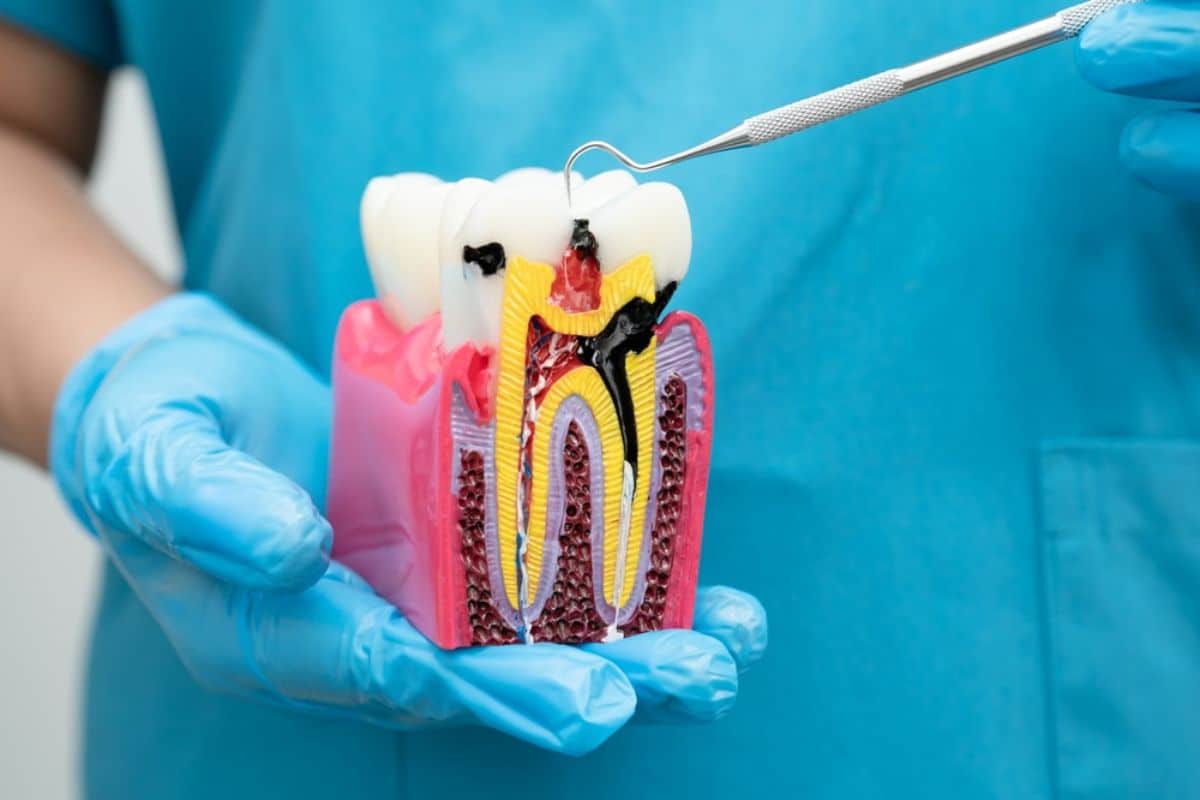
- Incomplete Cleaning or Infection: Sometimes, infected tissue isn’t completely removed, allowing bacteria to remain and cause pain. This can happen if the tooth’s canals were not thoroughly cleaned or sealed.
- Cracked or Leaky Filling: If the dental filling or crown placed after the procedure isn’t sealed properly, bacteria can re-enter the tooth and lead to infection.
- New Infection: Even after a successful procedure, the tooth could become reinfected if bacteria enter due to gum disease or injury.
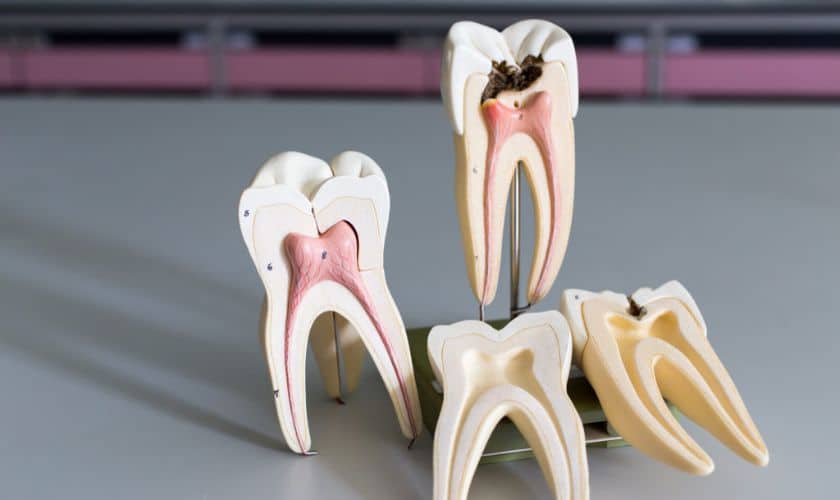
- Missed Canal: Teeth with complex root structures can have multiple canals. If one is missed, it can lead to lingering pain.
Signs That Re-Treatment May Be Necessary
If you are still experiencing pain after the procedure, you might be wondering if re-treatment is necessary. Here are some signs to help you determine if it’s the right option:
- Persistent Pain: A throbbing, dull pain that does not fade away, especially after months of treatment. This indicates that the infection was not fully removed.
- Swelling or Tenderness: Swelling or tenderness around the treated tooth often indicates an infection or reinfection.
- Sensitivity to Temperature: Increased sensitivity to hot or cold temperatures might indicate improper healing or that the infection has returned.
- Visible Abscesses: If you notice a pimple-like swelling on your gums, it’s a sign that infection is present in the tooth’s root.
What to Expect During the Re-Treatment?
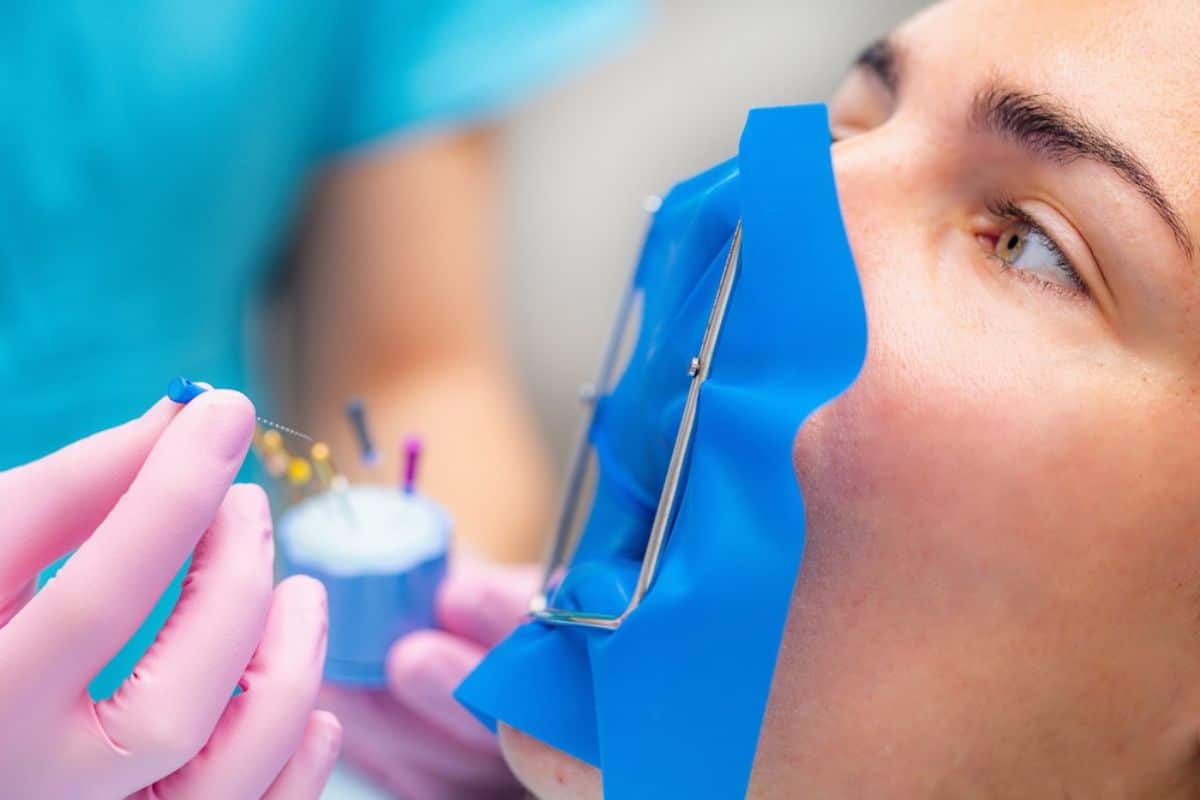
This procedure involves removing the previous filling or crown, cleaning the canals thoroughly, and resealing the tooth. It is similar to the initial root canal procedure but may require more time to ensure that the infection is completely removed.
Your dental practitioner will use advanced imaging techniques to identify all the canals, ensuring thorough cleaning. Once the tooth is cleaned and disinfected, it will be sealed again. Moreover, in some cases, a new crown will be placed to protect the tooth.
When is Re-Treatment Not an Ideal Option?
At times, re-treatment is not the best treatment. If a tooth is too weakened or compromised, removal is often recommended. The top dental practices like ours often offer many options for replacing missing teeth. These options include implants, bridges, or dentures to restore both function and appearance. Your dental professional will determine the best treatment plan based on the condition of your tooth.
Is Pain Still Persisting? Reach Out Now for Re-Treatment!
If you’re still experiencing pain after the root canal treatment, it’s important to consult with a dental professional who can assess your tooth’s condition and determine if re-treatment is needed. Early intervention will not only save your tooth but also prevent more severe issues down the road.
Don’t let tooth pain slow you down. Schedule a consultation with our trusted dentist at Powers Dental Group to ensure your oral health is in safe hands and a long-lasting, healthy smile.