
5780 N. Carefree Circle, Colorado Springs, CO 80917.
Protecting and Strengthening Compromised Teeth
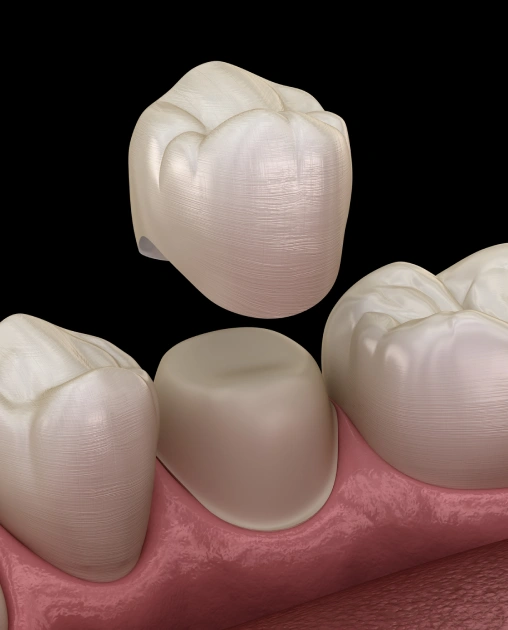
A dental crown is a tooth-shaped cap that we place over your damaged or decayed tooth. These are typically needed when tooth decay has surpassed the need for a dental filling. The crown we provide at Powers Dental Group is designed to cover the entire tooth, restoring its shape, size, strength, and appearance. Dental crowns can be made from different materials, including porcelain, ceramic, metal, or a combination of materials. The choice of material will depend on factors such as the tooth’s location, the damage’s extent, and our patient’s preferences. Don’t hesitate to call our team if you want to protect your tooth from decay or damage with a crown.
Schedule a Crown Consultation
When Is a Dental Crown Recommended
Dental crowns are often recommended when a tooth has been damaged and requires more support than a filling can provide. By covering the entire visible portion of a tooth, a crown helps restore its strength, function, and appearance while protecting it from further damage.
A dental crown may be the right solution if your tooth:
- Has been weakened by extensive decay and needs additional reinforcement to remain functional.
- Cannot adequately support a dental filling because too much of the natural tooth structure has been lost.
- Has undergone root canal therapy, leaving the tooth more vulnerable to fractures and everyday wear.
- Is cracked, broken, or severely worn down and requires full-coverage protection.
What Are the Top Benefits of Dental Crowns
Here are a few reasons why patients visit our office for custom-made crowns.
Protection
Dental crowns protect weak, damaged, or decayed teeth from further damage. They cover the entire tooth and provide a strong barrier against bacteria and other harmful substances.
1
Restoration
Crowns restore the function and appearance of damaged or decayed teeth. They can help improve the ability to chew and speak properly and enhance the smile’s appearance.
2
Durability
They are durable and long-lasting, made to withstand the normal wear and tear of daily use. The crowns we provide to patients can be used for many years with proper care and maintenance.
3
Versatility
Dental crowns can be used for various dental problems, including tooth decay, cracks, chips, and discoloration. They can also hold a dental bridge in place or cover a dental implant.
4
Comfort
Crowns are custom-made to fit each patient’s tooth, ensuring a comfortable and snug fit. They are designed to feel and function like a natural tooth, providing optimal comfort and function.
5
Aftercare Instructions If Getting a Dental Crown
Caring for dental crowns is essential to ensure their longevity and maintain optimal oral health. Here are a few tips for caring for dental crowns:
- Practice Good Oral Hygiene: Brush twice daily with fluoride toothpaste, floss daily, and rinse with an antiseptic mouthwash to prevent plaque buildup, decay, and gum disease.
- Avoid Hard or Sticky Foods: Don’t put pressure on your tooth while chewing them, as they can damage the crown. This includes ice, hard candy, and popcorn.
- Wear a Mouthguard: If you grind or clench your teeth, wear a mouthguard at night to protect the crown from damage.
- Regular Dental Checkups: Visit our Colorado Springs dentist regularly for checkups and cleanings. We can check the crown for any signs of damage or decay and make necessary adjustments.
- Be Careful When Flossing: When flossing around the crown, be gentle and avoid pulling the floss too hard, as this can dislodge the crown.
- Address Issues Promptly: If you experience pain, sensitivity, or discomfort around the crown, visit our office immediately. These can be signs of a problem that needs to be addressed promptly.
By following these tips and practicing good oral hygiene, you can ensure your dental crown’s longevity and optimal function.
Schedule a Visit to Our Office for Crowns to Protect Teeth
Dental crowns play an essential role in maintaining and restoring dental health and function, providing patients with a strong and long-lasting solution to a variety of dental problems. Powers Dental Group specializes in all areas, from conducting dental exams to preparing crowns for your teeth. Get in touch with our team for optimal dental care with crowns.
Request an Appointment