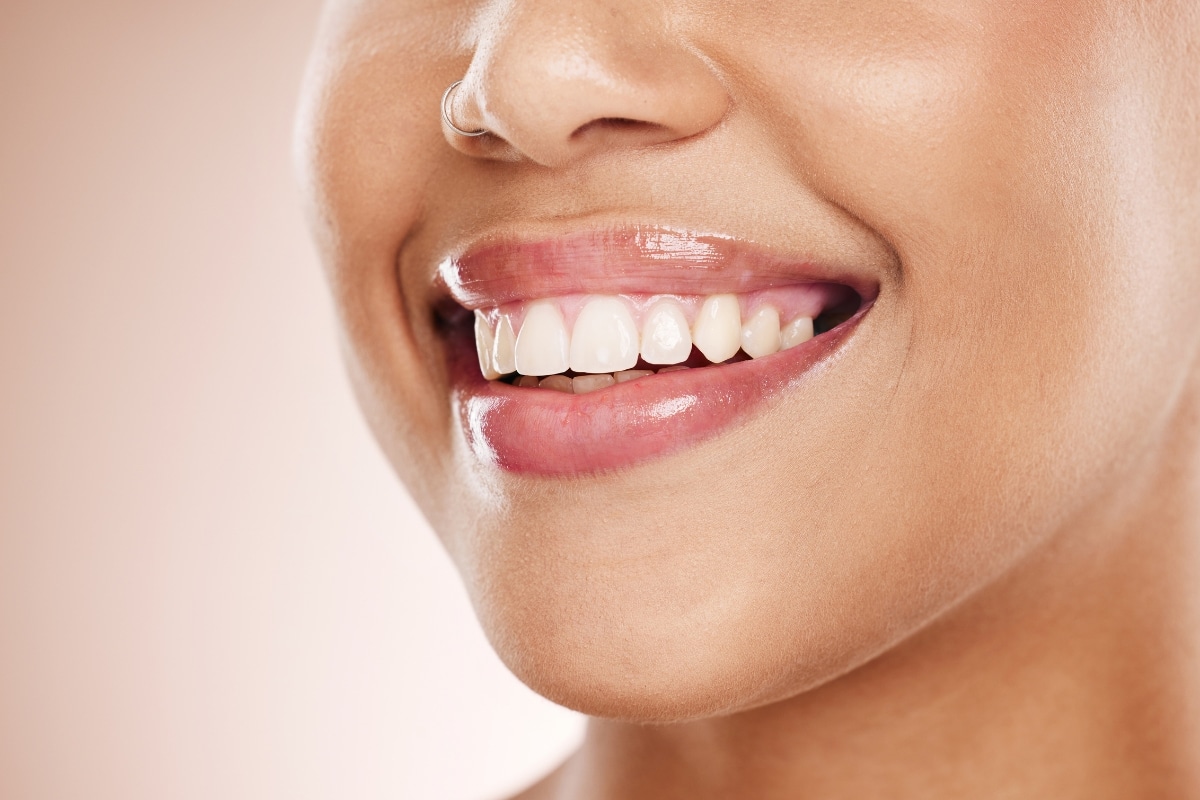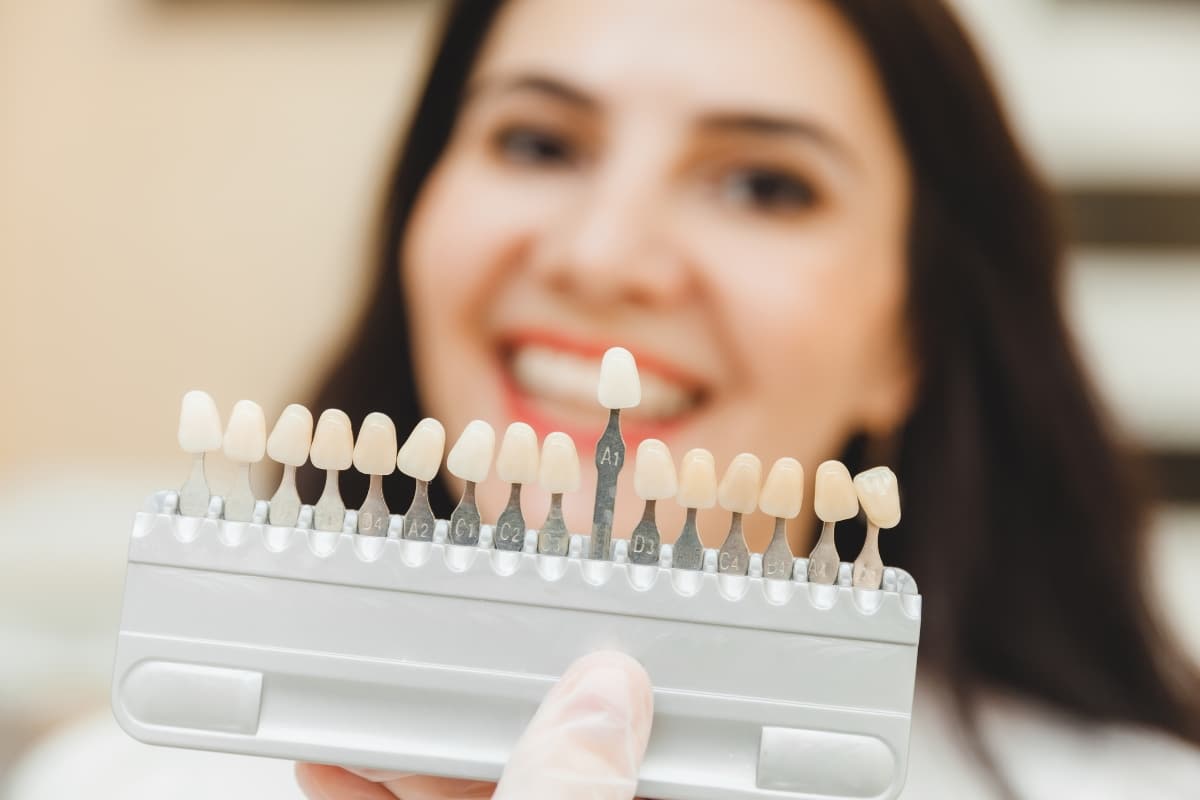



The strong sunlight, high elevation, and dry air of Colorado Springs can make existing stains and natural tooth color variations appear more noticeable. Nevertheless, depending on the cause of discoloration, the top cosmetic dentist here can recommend solutions to help locals get a brighter smile.
At Powers Dental Group, our dentists regularly help patients understand why their smile may look different in natural light and which cosmetic solutions can create a brighter, more uniform appearance. Drawing on years of clinical experience with cosmetic treatments, we evaluate the underlying cause of discoloration before recommending treatment.
If you have noticed your smile looking duller outdoors, schedule a personalized consultation to learn which option best matches your goals.
Why Does Colorado Springs’ Climate Make Teeth Look Different?
Bright sunlight and dry conditions increase visual contrast, making stains, enamel imperfections, and color variations easier to see. What appears subtle indoors often becomes more noticeable outdoors.
Most people assume tooth color remains consistent regardless of location. In reality, environmental conditions influence how your smile is perceived.
Several local factors work together:
- Intense natural sunlight
- Higher ultraviolet light exposure due to elevation
- Lower humidity levels
- Increased risk of temporary dehydration
- Outdoor lifestyles that place smiles under direct natural light
A smile that appears bright while enjoying dinner downtown may look completely different during an afternoon walk through Red Rock Canyon Open Space. This difference is often caused by lighting rather than sudden changes in tooth health.
Natural sunlight contains a broader spectrum of light than most indoor fixtures. As a result, it reveals details that artificial lighting tends to soften or hide.
How Does Intense Sunlight Reveal More Tooth Stains?
Sunlight exposes subtle discoloration that indoor lighting frequently masks. Even minor staining becomes easier to detect because natural light creates sharper contrast across tooth surfaces.
Regular foods and beverages leave microscopic pigments on enamel. These stains may not be obvious under softer indoor lighting.
Common contributors include:
- Coffee
- Tea
- Red wine
- Dark berries
- Tomato-based sauces
- Tobacco products
For many residents, outdoor recreation affects how often they notice discoloration. Someone grabbing a dark roast before heading toward Pikes Peak may discover that the same coffee stain that seemed invisible indoors becomes far more noticeable under direct mountain sunlight.
Natural light also highlights:
Surface Staining
Pigments accumulate within microscopic enamel irregularities. Bright sunlight reflects differently from these areas, making stains stand out.
Uneven Tooth Color
Very few people have perfectly uniform tooth color. Small differences between teeth become easier to notice outdoors.
Aging Enamel
As enamel naturally thins with age, more of the underlying dentin becomes visible. Dentin has a naturally warmer color, which can contribute to a darker appearance.
Can Dry Air Affect How White Teeth Look?
Yes. Dry air can indirectly affect the appearance of a smile by reducing moisture in the mouth. Saliva helps maintain a clean, reflective enamel surface that contributes to a brighter-looking smile.
Colorado Springs is known for its dry climate. While many people enjoy the low humidity, it can affect oral hydration.
Saliva serves several important functions:
- Washes away food debris
- Neutralizes acids
- Supports enamel remineralization
- Delivers calcium and phosphate to tooth surfaces
- Helps maintain smooth, reflective enamel
When the mouth becomes dry, plaque and stain-producing substances can remain on teeth longer.
An additional factor many people overlook is enamel hydration. Teeth are naturally semi-translucent. Temporary dehydration can slightly alter how light passes through enamel, causing teeth to appear less reflective and somewhat darker until hydration returns.
Why Do Outdoor Photos Often Make Discoloration Look Worse?
Modern cameras and bright sunlight capture details with remarkable accuracy. Minor discoloration that escapes notice in a mirror may become obvious in photographs.
Many patients first become concerned about tooth color after viewing outdoor photos rather than examining their smile in person.
High-definition smartphone cameras combine with natural sunlight to reveal:
- Stain patterns
- Tooth texture
- Enamel translucency
- Uneven brightness
- Minor cosmetic imperfections
This explains why your smile may look different in vacation photos, family portraits, or social media images compared to what you see under bathroom lighting.
The effect is particularly noticeable during sunny local events, outdoor festivals, and summer activities where natural light dominates every photograph.
Professional Teeth Whitening Can Be Your Ideal Solution
Professional whitening is often the first choice when discoloration is caused primarily by external staining and natural aging. It brightens enamel while preserving natural tooth structure.
Many patients seeking cosmetic dentistry in Colorado Springs begin with professional whitening because it directly addresses common stain-related concerns.
Professional whitening can improve:
- Coffee stains
- Tea stains
- Wine stains
- Tobacco discoloration
- Age-related yellowing
One advantage often overlooked is how whitening affects light reflection. Brighter enamel reflects more natural light, which helps teeth appear more vibrant outdoors.
This benefit becomes especially noticeable in natural daylight, where improvements are easier to appreciate than under artificial lighting.
According to the Centers for Disease Control and Prevention (CDC), nearly 90% of adults have experienced tooth decay during their lifetime. Previous dental changes, enamel wear, and aging contribute to color variations that many people eventually notice.
When Are Porcelain Veneers a Better Choice?
Veneers may be recommended when discoloration extends beyond what whitening can predictably correct. They can also improve shape, symmetry, and overall smile consistency.
Some discoloration originates inside the tooth structure rather than on the enamel surface.
Examples include:
- Deep intrinsic staining
- Certain medication-related discoloration
- Developmental enamel irregularities
- Significant color inconsistencies
Porcelain veneers cover the visible front portion of teeth and create a more uniform appearance.
One reason veneers perform exceptionally well outdoors is their ability to mimic natural enamel translucency. High-quality porcelain reflects and diffuses light similarly to healthy enamel, helping create a natural appearance even under intense sunlight.
Patients often choose veneers when they want to improve:
- Tooth color
- Shape
- Small gaps
- Minor chips
- Smile symmetry
How Can Cosmetic Bonding Improve a Smile?
Cosmetic bonding offers targeted improvement for isolated discoloration and minor cosmetic concerns. It allows precise correction without affecting surrounding teeth.
Bonding uses tooth-colored composite material to improve appearance while preserving most natural tooth structure.
It may be ideal for:
- Small stained areas
- Individual dark teeth
- Minor chips
- Surface defects
- Small gaps
Unlike whitening, which brightens multiple teeth simultaneously, bonding can address specific teeth that appear darker than neighboring teeth.
Many patients exploring cosmetic dentistry in Colorado Springs appreciate bonding because it provides conservative cosmetic enhancement while maintaining a natural appearance during everyday activities and outdoor adventures.
Which Cosmetic Option Works Best for Active Colorado Residents?
The right treatment depends on the source of discoloration, lifestyle habits, enamel condition, and aesthetic goals. No single solution fits every situation.
Consider the following general guidelines:
Professional Whitening May Be Ideal If
- Stains are primarily external
- Tooth shape is already pleasing
- You want to preserve the natural enamel appearance
- Discoloration is relatively uniform
Veneers May Be More Appropriate If
- Staining is deep or resistant to whitening
- Shape concerns exist alongside discoloration
- Multiple cosmetic improvements are desired
Bonding May Be the Better Choice If
- One or two teeth are noticeably darker
- Small chips or imperfections are present
- Conservative treatment is preferred
A personalized evaluation remains the most reliable way to determine which solution aligns with your specific anatomy and smile goals.
What Habits Help Keep Teeth Looking Brighter Year-Round?
Consistent daily care helps reduce stain accumulation and supports long-term cosmetic results. Small preventive habits often make a significant difference over time.
Helpful strategies include:
- Staying hydrated throughout the day
- Drinking water after coffee or tea
- Scheduling regular professional cleanings
- Brushing twice daily with fluoride toothpaste
- Limiting tobacco exposure
- Using a straw for stain-causing beverages when practical
- Addressing persistent dry mouth symptoms
These habits support both oral health and cosmetic appearance.
Your Smile May Be Revealing More Than New Stains
If your teeth consistently appear darker outdoors than indoors, the issue may not be new staining at all. Colorado Springs’ unique combination of sunlight, elevation, and dry air often reveals existing discoloration more clearly than indoor environments.
Understanding the reason behind these changes is the first step toward choosing the right cosmetic solution. Whether the answer involves professional whitening, porcelain veneers, or cosmetic bonding, treatment should be based on a thorough evaluation of your enamel, oral health, and long-term goals.
At Powers Dental Group in Colorado Springs, we provide individualized cosmetic assessments designed around your unique smile rather than a one-size-fits-all approach. Schedule a personalized diagnostic evaluation to learn which treatment can help you achieve a brighter, more natural-looking smile that looks great both indoors and under Colorado’s brilliant sunshine.
Frequently Asked Questions
Can high altitude change the actual color of my teeth?
No. High altitude does not alter tooth color. However, increased sunlight exposure can make existing discoloration, enamel transparency, and surface stains appear more noticeable in natural outdoor lighting.
Why do my teeth look whiter under restaurant lighting?
Indoor lighting reduces contrast and softens shadows. Natural sunlight reveals more detail, making stains, uneven coloration, and enamel imperfections easier to see than under artificial lighting.
Does dry mouth make teeth look darker?
Yes. Reduced saliva can allow plaque and stain-producing substances to remain on enamel longer. Dryness may also temporarily affect how light reflects from tooth surfaces.
Will professional whitening help if sunlight makes stains noticeable?
In many cases, yes. Professional whitening removes common external stains and brightens enamel, helping teeth reflect light more effectively and appear brighter outdoors.
Are veneers more resistant to staining than natural teeth?
Porcelain veneers resist many common stains better than natural enamel. Good oral hygiene and regular dental visits help maintain their appearance for years.
Is bonding suitable for one discolored tooth?
Yes. Cosmetic bonding can target a single dark tooth without affecting neighboring teeth. It is commonly used when discoloration is localized rather than affecting the entire smile.
How do I know whether whitening, veneers, or bonding is right for me?
A cosmetic evaluation can determine the source of discoloration and identify suitable treatment options. Recommendations depend on enamel condition, smile goals, and overall oral health.