

Most people connect tooth loss with a gap in their smile. What they do not connect it with is the gradual collapse of their facial structure, the sunken cheeks, the thinning lips, and the deepening lines around the mouth. The truth is that missing teeth trigger a process in the jawbone that accelerates visible aging in ways that no skincare routine can reverse. This is not a cosmetic exaggeration. It is a bone condition that starts after tooth loss. For those considering dental implants in Colorado Springs, understanding this connection could be one of the most important health decisions you make. If you have been putting off tooth replacement, what you read here may change your perception entirely.
What Happens To Your Face When You Lose A Tooth?
It starts beneath the surface, in your jawbone. Every natural tooth root stimulates the bone around it every time you bite or chew. That constant stimulation signals the bone to maintain its density and volume. When a tooth is lost, that signal disappears. The bone no longer receives the pressure it needs to stay healthy, and it begins to resorb, meaning the body gradually breaks it down and redirects those minerals elsewhere.
Here is what that process looks like over time:
- Year one: Up to 25% of bone width can be lost in the area of the missing tooth.
- Years two through five: The bone continues to shrink in both width and height, affecting adjacent teeth and surrounding tissue.
- Long term: The overall structure of the lower face changes, causing the chin to rotate forward and the lips to lose their natural support.
This is not a slow or invisible process. Many families in Colorado Springs report these concerns to their dentist within just a few years of tooth loss, especially after noticing changes around the cheeks, jawline, and overall facial support.
Why Do Other Tooth Replacement Options Fail To Preserve Facial Structure?
This is because traditional tooth replacement options like removable dentures or dental bridges do restore the appearance of a smile. However, they do not address the underlying bone loss at all.
Dentures sit on top of the gum line. They provide no stimulation to the bone beneath them. In fact, the pressure from an ill-fitting denture can actually accelerate bone resorption over time. Many people in Colorado Springs who have worn dentures for years begin noticing changes in their facial appearance. This happens as bone loss continues beneath the appliance. Because traditional options do not replace the tooth roots, the jawbone may slowly lose the support that helps maintain natural facial shape and definition.
Bridges are anchored to neighboring teeth and span the gap of a missing tooth. They restore chewing function, but the bone beneath the artificial tooth receives no stimulation. The resorption process continues in that area just the same.
This distinction matters because it explains why bone loss from missing teeth and facial structure changes are so commonly seen in those who have had dentures or bridges for many years, even if their smile looked fine.
How Do Dental Implants Preserve The Bone?
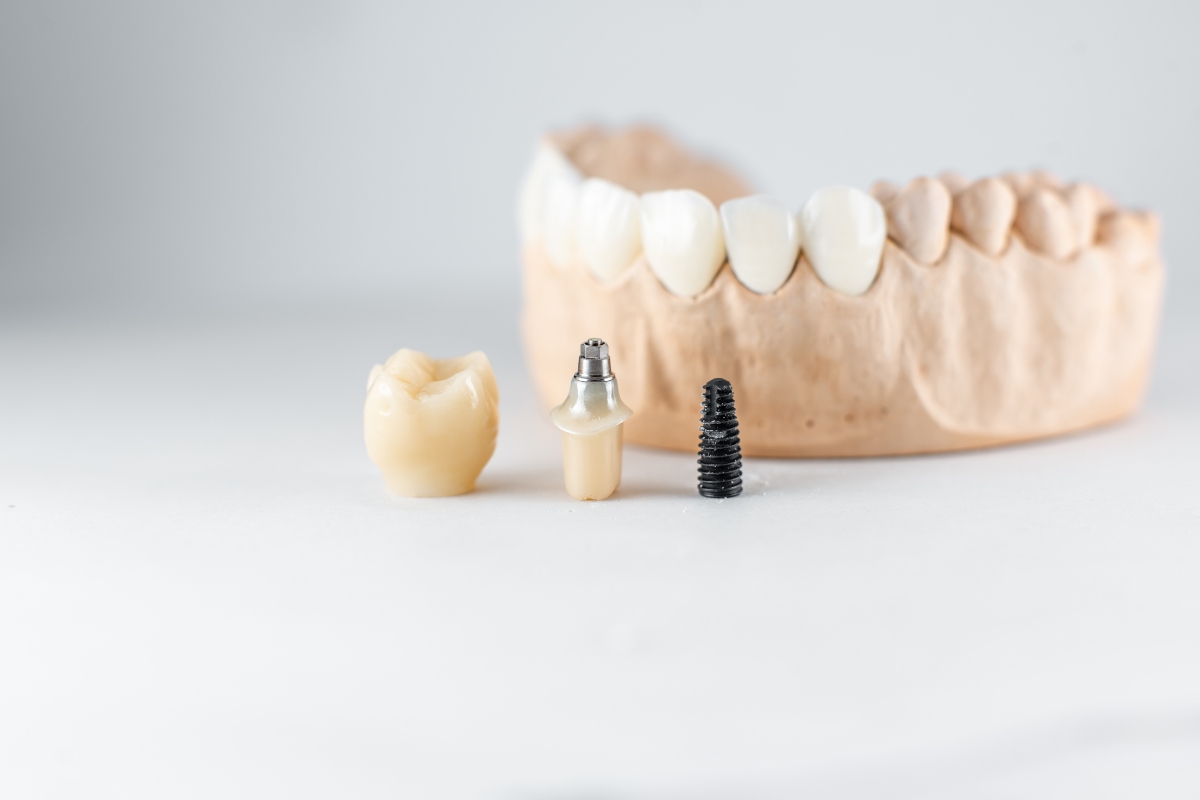
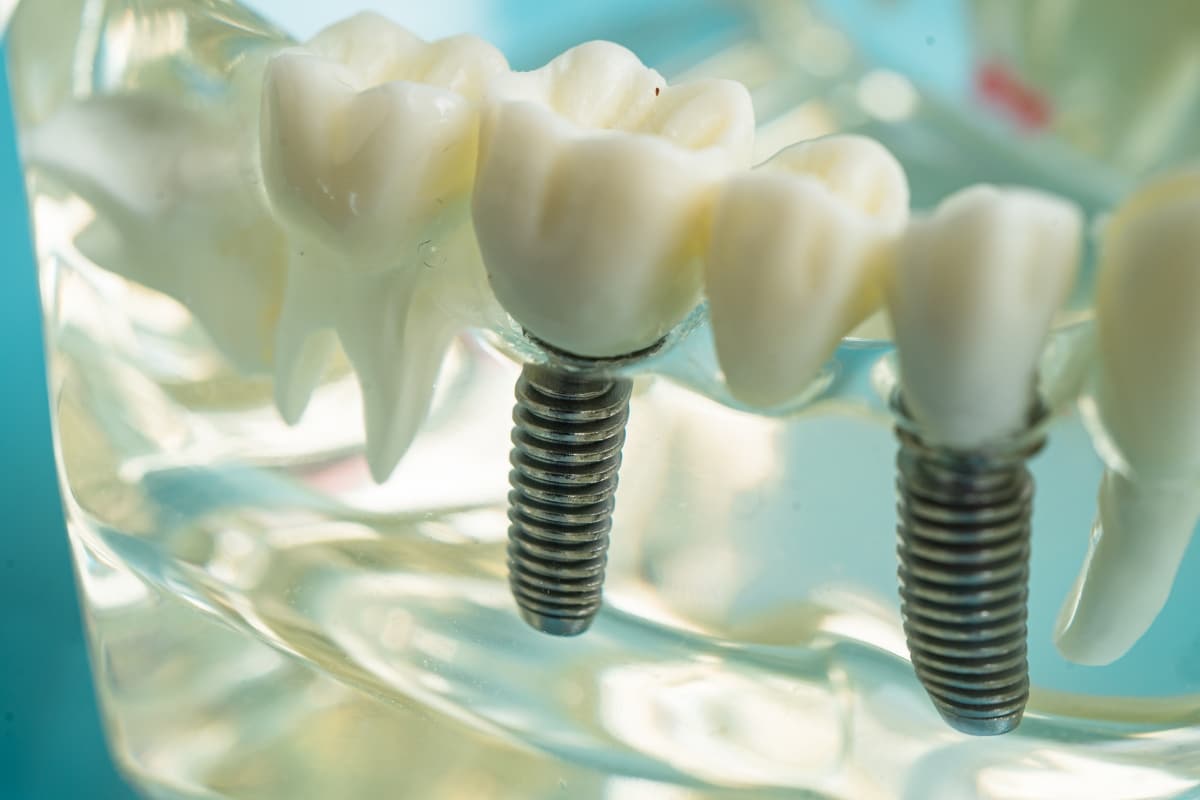
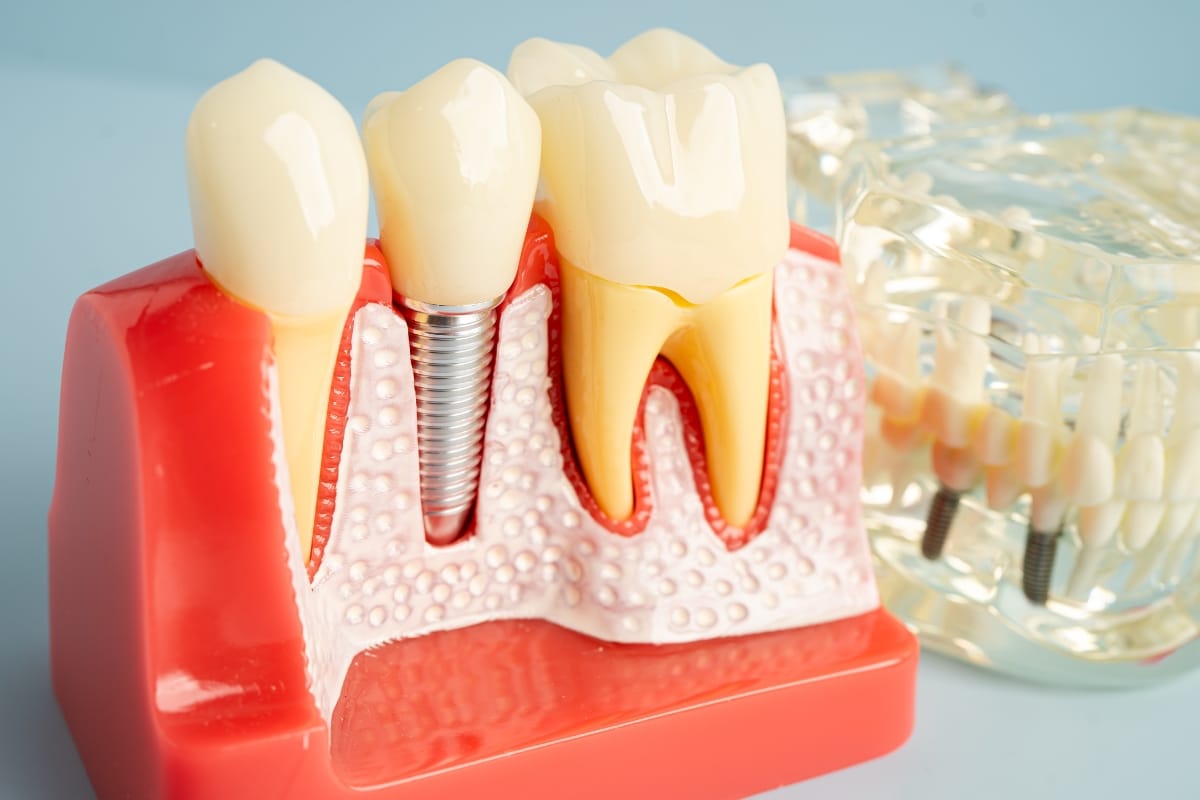
Prosthetic tooth, commonly placed directly into the jawbone, work differently from any other tooth replacement method available today. The titanium fixture functions as an artificial tooth root. Once it integrates with the bone through a process called osseointegration. It begins transmitting bite force directly into the jawbone with every chew, just like a natural tooth root would.
That stimulation is what tells the bone to stay. It is the signal that prevents resorption from taking hold. Because dental implants in Colorado Springs are the only tooth replacement option that replicates this root function, they are the only option clinically recognized to halt jawbone loss after tooth loss.
The result over time is measurable. Patients receiving implant treatment retain substantially greater bone volume in the treated region relative to alternative options. Having preserved bone volume helps keep your facial contours smooth, gives you fuller cheeks, and contributes to a youthful look overall.
Does The Timing Of Implant Placement Matter For Your Face?
Yes, and this is one of the most underappreciated facts in tooth replacement care. The window of time between tooth loss and bone resorption is not generous.
As noted above, significant bone loss can occur within the first year. The longer a tooth is missing, the more bone is lost. Once this happens, the procedure becomes complex and costly.
In some cases, patients who wait too long require bone grafting before a tooth root post can even be placed. This adds time, cost, and healing to the process. When people decide to act sooner, the treatment becomes much smoother. They can enjoy even greater benefits for facial preservation since there’s more bone structure to work with from the beginning.
Colorado Springs locals know that the high altitude and dry climate here can affect overall health in ways that are easy to overlook. Dry conditions at elevation can reduce saliva production, which increases the risk of gum disease. This is a leading cause of tooth loss in adults. Being proactive about oral health in this environment is not just smart, it is necessary.
How Can Prosthetic Teeth Help Maintain A Youthful Appearance?
Beyond bone preservation, there are several connected benefits worth understanding:
- Lip support: Natural teeth and their roots give the lips a structural foundation. Missing teeth, especially in the front, allow the lips to collapse inward, creating a sunken appearance that adds years to the face.
- Cheek volume: Back teeth support the cheeks from the inside. When molars are lost, and the bone beneath them shrinks, the cheeks lose that internal support and begin to hollow out.
- Bite height: As bone loss advances, the vertical height of the bite gradually decreases. This change brings the chin closer to the nose, which can make the lower third of the face appear shorter and is often linked to an aged look.
- Posture and jaw alignment: Long-term bone loss can alter the jaw’s resting position, contributing to tension, discomfort, and uneven facial symmetry.
Each of these effects compounds the others. The earlier bone preservation begins, the more of these changes can be avoided entirely.
Who Is An Ideal Candidate For Permanent Tooth Restoration?
Most adults in good general health with one or more missing teeth are candidates for tooth-replacement posts. The key qualifying factors include:
- Adequate bone volume to support the initial placement, or willingness to undergo grafting if needed
- Healthy gum tissue free from active infection or advanced periodontal disease
- No uncontrolled systemic conditions, such as unmanaged diabetes, that may impair healing
- Non-smoker status or a commitment to quitting, as smoking significantly affects healing and long-term success rates
Families in Colorado Springs who are dealing with tooth loss due to injury, decay, or gum disease often find that a consultation is the most clarifying step they can take. A thorough evaluation gives a clear picture of bone health, overall candidacy, and what to expect from the process.
What Can Patients Expect During The Dental Implant Process?
The timeline varies based on individual bone health and healing, but here is a general picture:
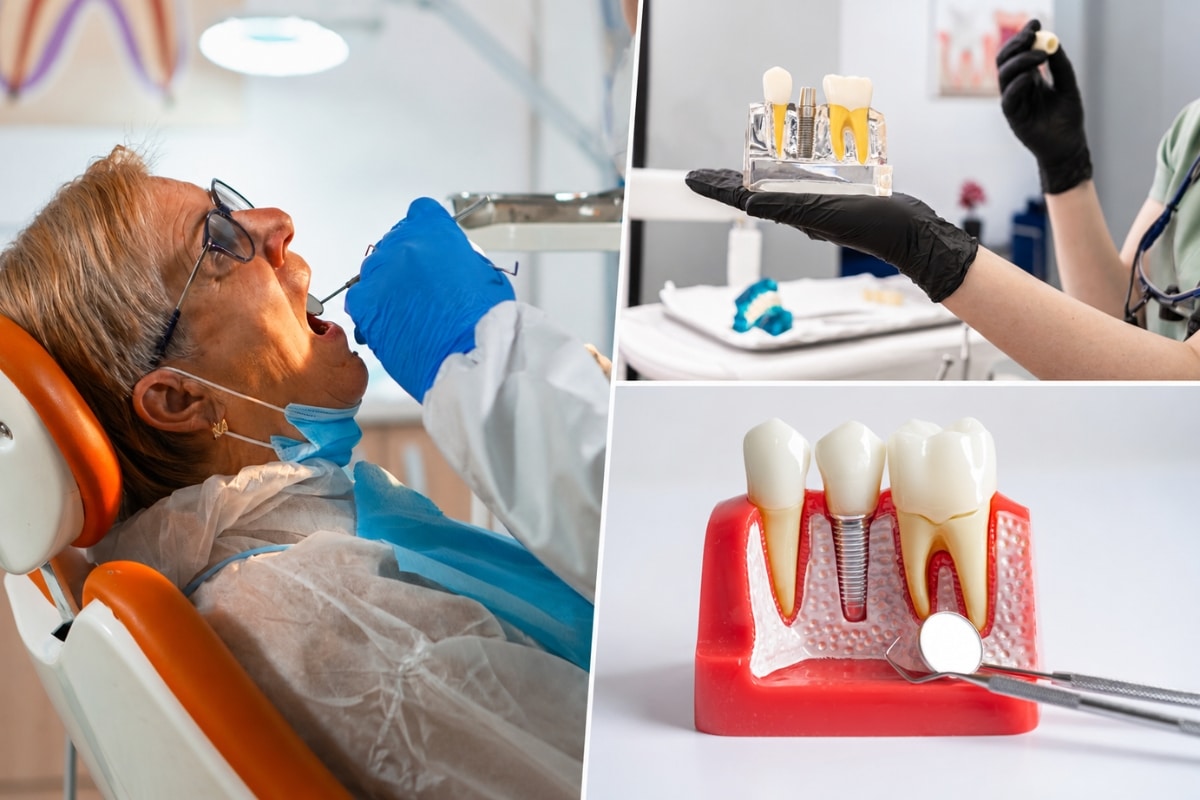
- Consultation and imaging: Detailed X-rays and 3D scans assess bone volume and determine the treatment plan.
- Placement appointment: The titanium post is surgically placed into the jawbone under local anesthesia.
- Osseointegration period: Healing and bone integration typically take three to six months.
- Restoration placement: Once the post has fully integrated, a custom crown is attached to complete the tooth.
The process requires patience. However, the outcome is a tooth that functions, feels, and looks like a natural tooth. Beyond restoring the smile itself, dental implants also help support the jawbone and maintain the facial structure beneath the missing tooth area over time.
Let Us Help Protect Your Smile & Facial Aesthetics
At Powers Dental Group, we understand that choosing a tooth replacement is about far more than filling a gap. It is about protecting the structural foundation of your face, your confidence, and your long-term health. Our team brings together clinical precision and patient care to ensure that everyone who walks through our doors leaves with a plan they feel informed and confident about. Visit our dental office in Colorado Springs and let us evaluate where you stand. Whether you are dealing with recent tooth loss or have been living with a gap for years, it is never too late to take a step to protect your oral health. For anyone exploring dental implants in Colorado Springs, our team is here to answer every question and guide you through every step. So, book an appointment now to restore your smile with the right guidance.
Frequently Asked Questions (FAQs)
Can dental implants really help prevent facial collapse?
Yes, implanted teeth help stimulate the jawbone similarly to natural tooth roots through chewing pressure. This support may reduce bone shrinkage linked to sunken facial appearance and premature aging.
Why does tooth loss make the face look older?
Missing teeth reduces stimulation to the jawbone, which may lead to gradual bone loss over time. As support decreases, the cheeks and lower face may appear more hollow or collapsed.
How soon does bone loss begin after losing a tooth?
Bone loss may begin within the first year after tooth loss because the jaw no longer receives normal stimulation. Research commonly shows the process continuing gradually when missing teeth remain untreated.
Do dental implants support facial muscles and skin?
Yes, implants help maintain jawbone structure, which supports the surrounding facial tissues over time. Preserving this support may help reduce sagging and maintain more natural facial contours.
Are dentures as effective as implants for preventing facial aging?
Traditional dentures replace visible teeth but do not stimulate the jawbone beneath the gums. Implants interact directly with the bone, helping maintain facial support and long term bone density.