


Are you missing a tooth or several teeth and looking for a permanent solution? Dental implants may be the answer to your problem! Not only do they provide a natural-looking replacement for missing teeth, but they are also durable and long-lasting. But just how long can you expect your dental implant to last? In this blog post, we’ll dive into the world of dental implants, explore their different types, and answer the burning question: How Long Do Dental Implants Last? So sit back, relax, and let’s get started!
What are Dental Implants?
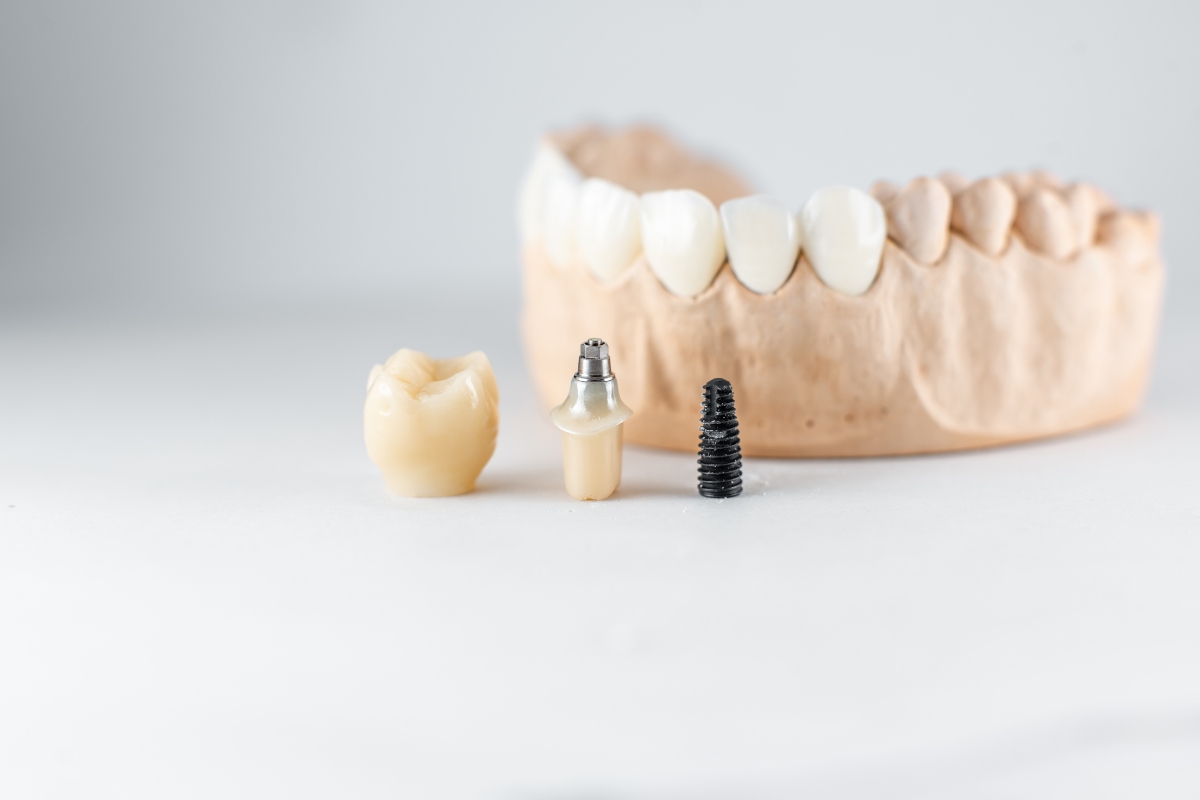
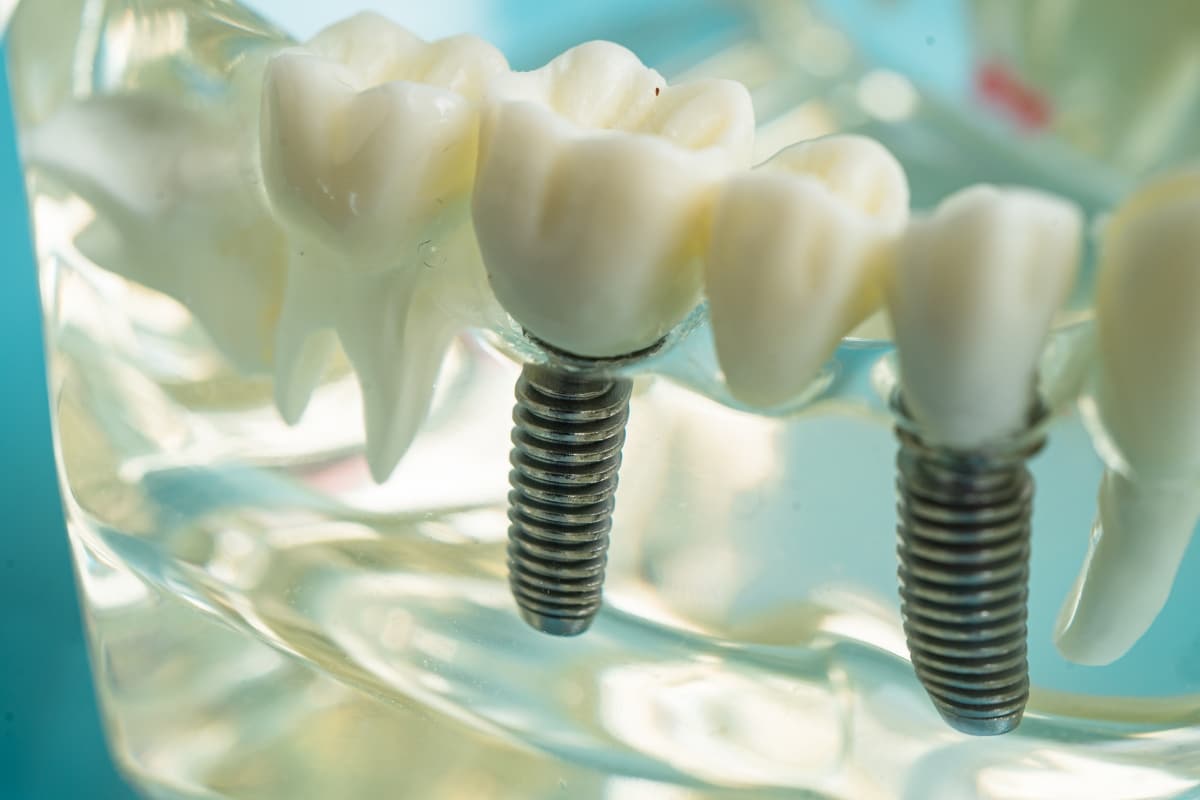
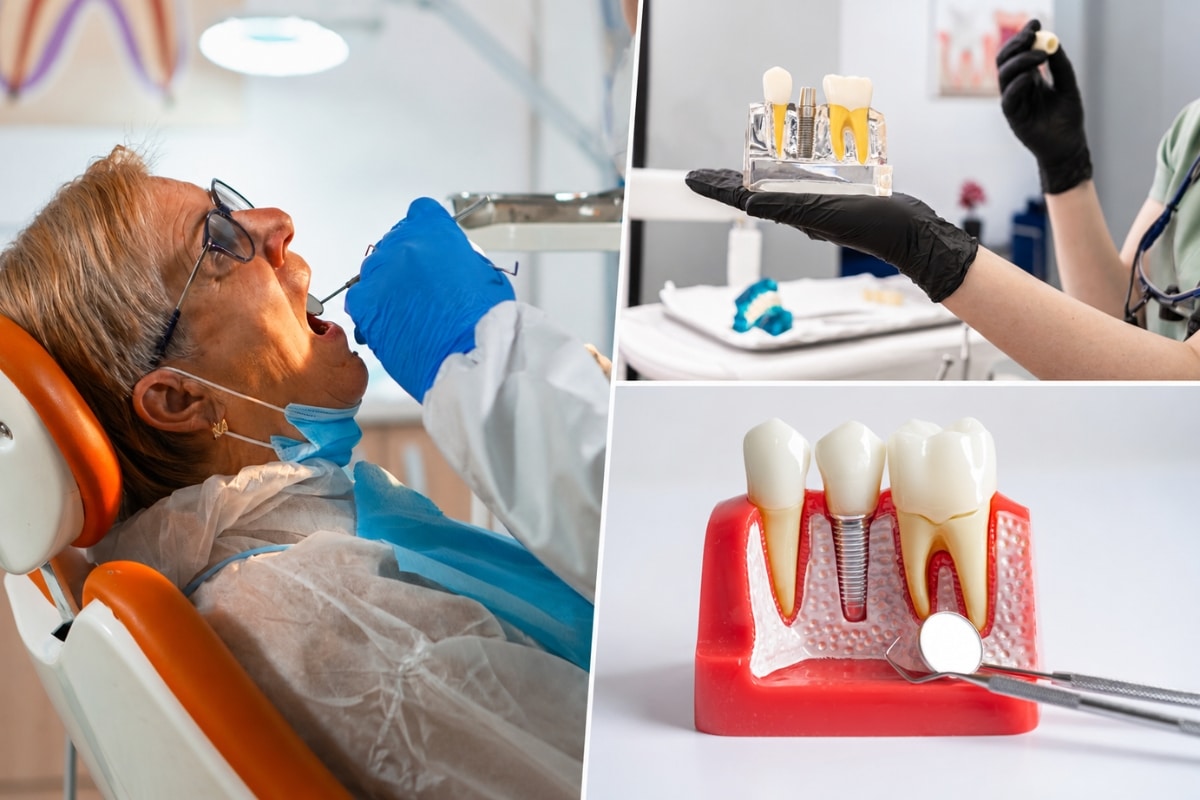
Dental implants are artificial tooth roots that replace missing or damaged teeth. They are typically made of titanium and surgically implanted into the jawbone, providing a stable base for a replacement tooth or bridge.
The implant itself is small and screws into the jawbone, while an abutment connects the implant to a crown or other prosthetic tooth. This allows for a natural-looking replacement tooth that functions just like your original teeth.
Dental implants have become increasingly popular in recent years due to their durability, longevity, and natural appearance. Unlike dentures, which can slip out of place and require frequent adjustments, Dental Implants in Colorado Springs provide a permanent solution for missing teeth.
One key benefit of dental implants is that they help prevent bone loss in the jaw. When you lose a tooth, the underlying bone begins to deteriorate over time. Dental implants stimulate bone growth in the surrounding area by mimicking natural tooth roots.
Dental implants offer many advantages over traditional dentures or bridges. They provide superior function, durability, and aesthetics — making them an excellent long-term investment in your oral health.
Types of Dental Implants
When it comes to dental implants, there are several types available for patients. The type of implant used depends on various factors such as the patient’s oral health, bone density, and the number of teeth that need replacement.
The most common type of dental implant is an endosteal implant. This type of implant is placed directly into the jawbone and acts as a natural tooth root. Endosteal implants come in different shapes and sizes to accommodate varying needs.
Subperiosteal implants are another option for patients who do not have enough healthy jawbone to support an endosteal implant. Instead, subperiosteal implants are placed on top of the bone but underneath the gum tissue.
Zygomatic implants are a less common option that is used when there is not enough bone in the upper jaw to support other types of implants. These longer screw anchor into the cheekbones instead of the maxilla bone.
Mini-dental or narrow-diameter implants may also be used in certain cases where traditional implants cannot fit due to limited space or thin jawbones.
Patients need to discuss their options with their dentist or oral surgeon before deciding which type of dental implant will work best for them based on their unique circumstances.
How Long Do Dental Implants Last?
Dental implants are a great solution for people who have lost their teeth due to injury, decay, or other factors. They are designed to look and feel like natural teeth and can last a lifetime with proper care. However, the lifespan of dental implants depends on various factors such as oral hygiene practices, lifestyle habits, and the patient’s overall health.
The type of dental implant also affects its longevity. Endosteal implants that are placed in the jawbone tend to last longer than subperiosteal implants that sit on top of it. The materials used for the implant post also play a role in how long they last. Titanium is commonly used because it is biocompatible and has been shown to be incredibly durable.
Additionally, gum disease can compromise the success rate of an implant by affecting bone density around it. Thus, practicing good oral hygiene that includes flossing daily helps keep your gums healthy, which aids in keeping your dental implants intact.
In conclusion, maintaining good oral hygiene practices combined with regular checkups with one’s dentist will ensure that dental implants last for as long as possible while avoiding potential complications which could lead to early failure or removal surgeries
How to replace a Dental Implant
Replacing a dental implant is not a common occurrence, but it may be necessary if the implant fails to integrate with the jawbone or if there are complications. The process of replacing an implant involves removing the existing one and placing a new one in its place.
Firstly, your dentist will need to evaluate the reason for replacement and determine whether it is feasible. They will also take X-rays and impressions of your teeth to ensure that the new implant fits correctly.
Next, you’ll undergo surgery under local anesthesia, where your dentist will remove the old implant while preserving as much healthy bone tissue as possible. They might use a bone grafting procedure to improve the stability of the new fixture.
They’ll attach an abutment piece onto which your prosthetic tooth can be screwed or cemented after some healing time has passed.
Replacing dental implants requires careful planning by both patient and dentist alike. If you’re considering this option, make sure to discuss all options thoroughly with your oral health care provider before making any decisions.
Summary
To sum up, dental implants are a reliable and long-term solution for tooth replacement. They offer a permanent option that looks, feels, and functions like natural teeth. With proper care and maintenance, dental implants can last for decades or even a lifetime.
There are several types of dental implants available today, each with its own unique advantages. Your dentist will help you choose the best option based on your specific needs and oral health.
In the rare event that an implant fails or becomes damaged due to trauma or other reasons, it is usually possible to replace it with little discomfort or inconvenience.
If you are considering getting dental implants but have concerns about their longevity, rest assured that they are one of the most durable options available in modern dentistry. By following good oral hygiene practices and keeping up with regular check-ups, you can enjoy your new smile for many years to come!