

Implants are a transformative solution for restoring missing teeth, offering unmatched stability and durability. As they integrate into your jawbone, they enhance oral function and improve overall quality of life. However, patients sometimes wonder if a dental implant might affect their sense of taste. Understanding the relationship between dental procedures and taste changes can help ensure a smooth and satisfying teeth restoration experience.
What Are Dental Implants?
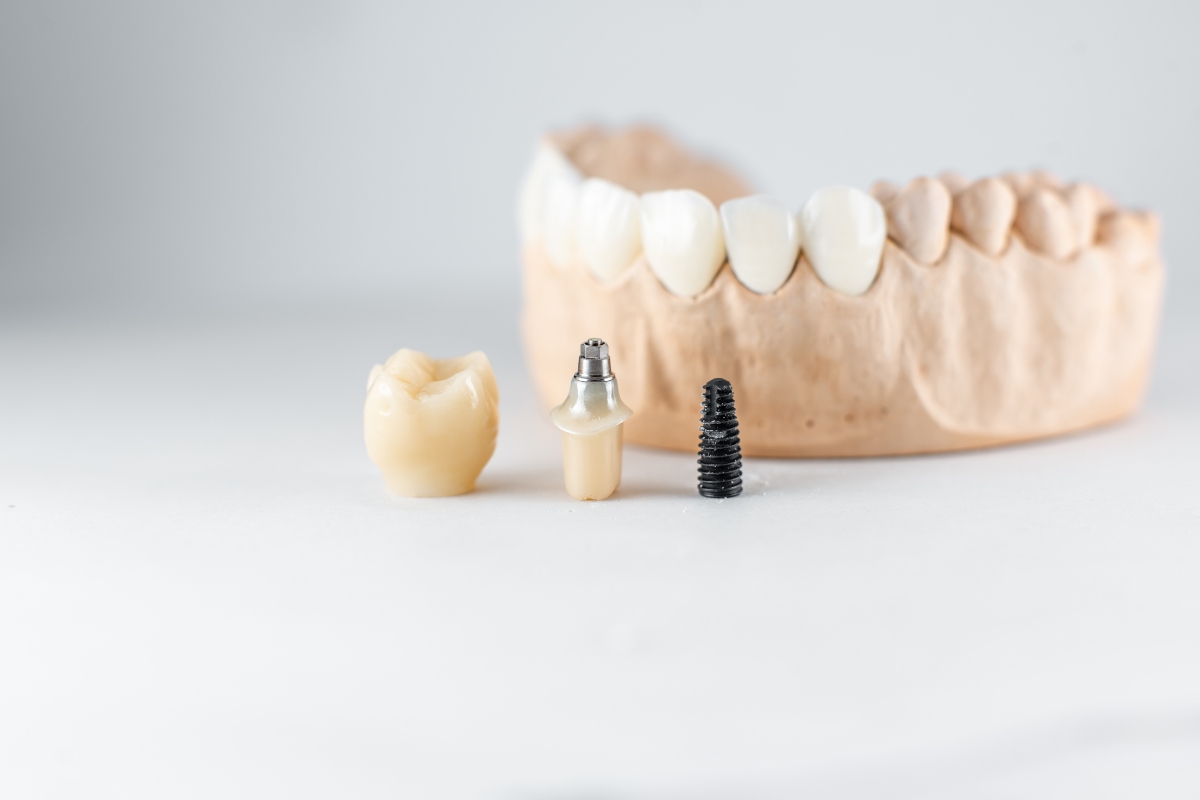
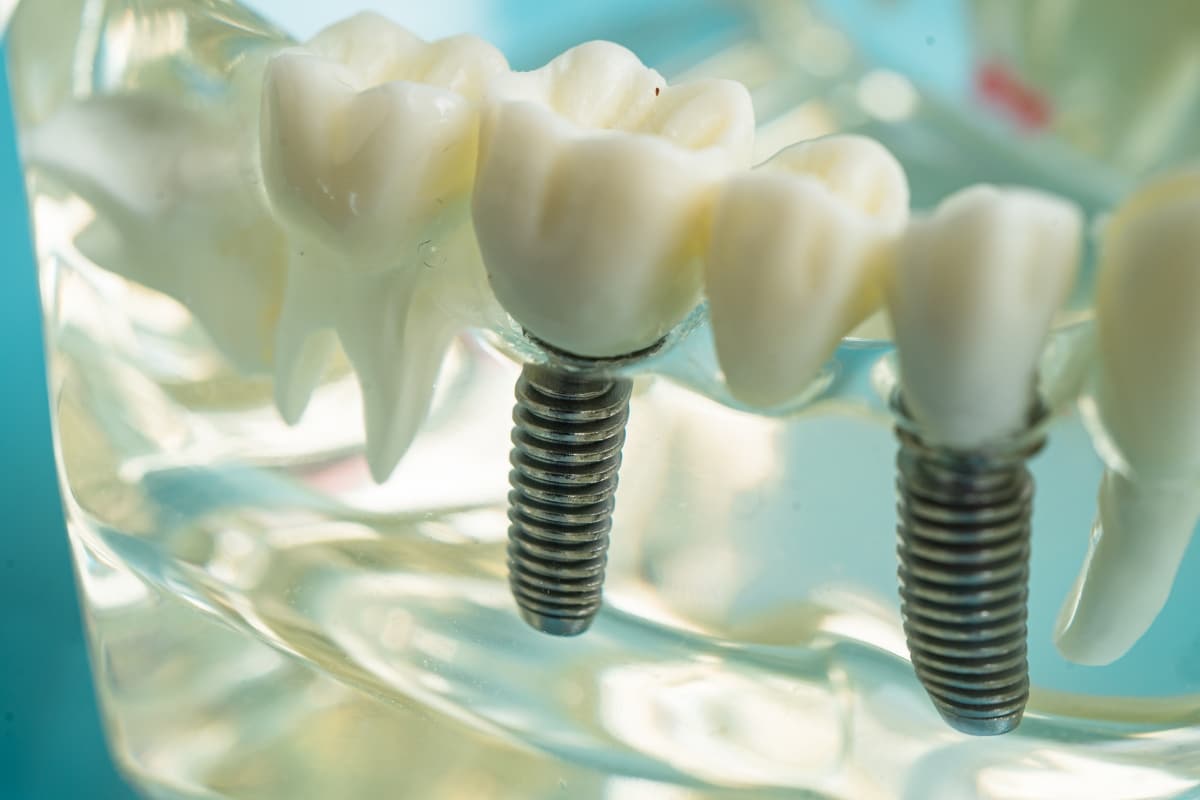
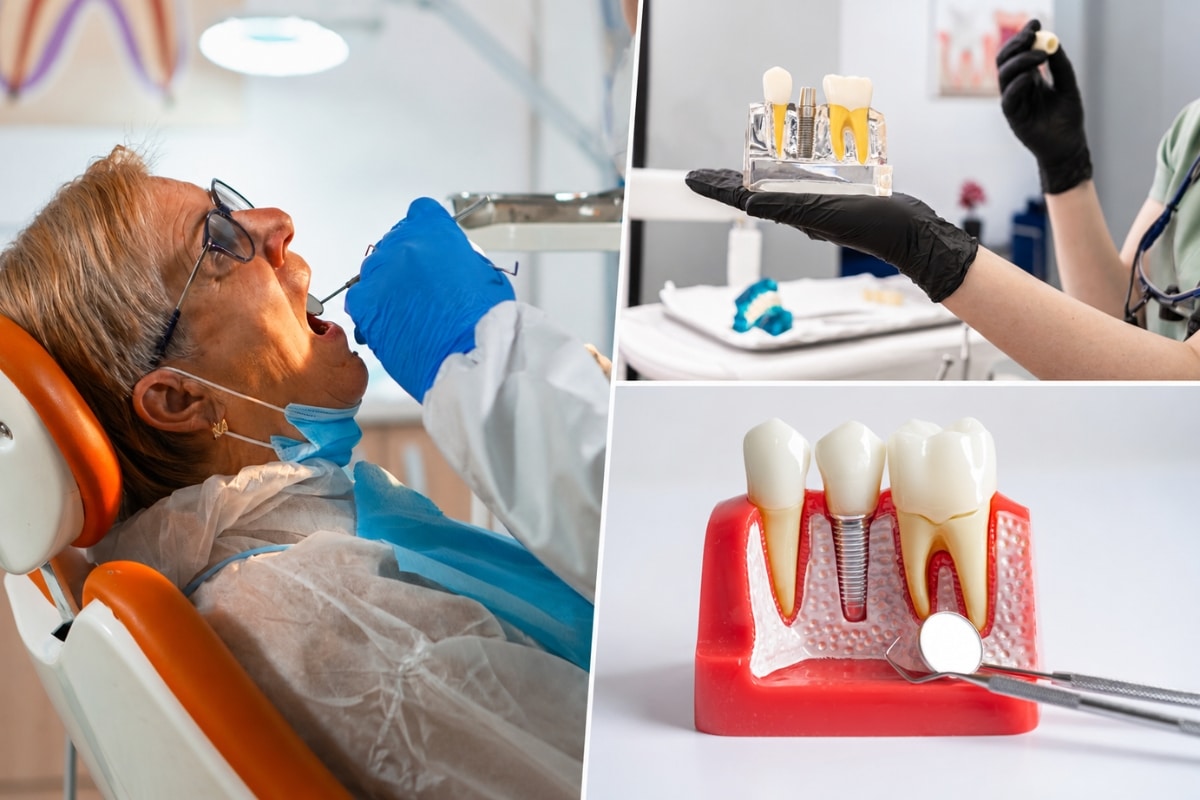
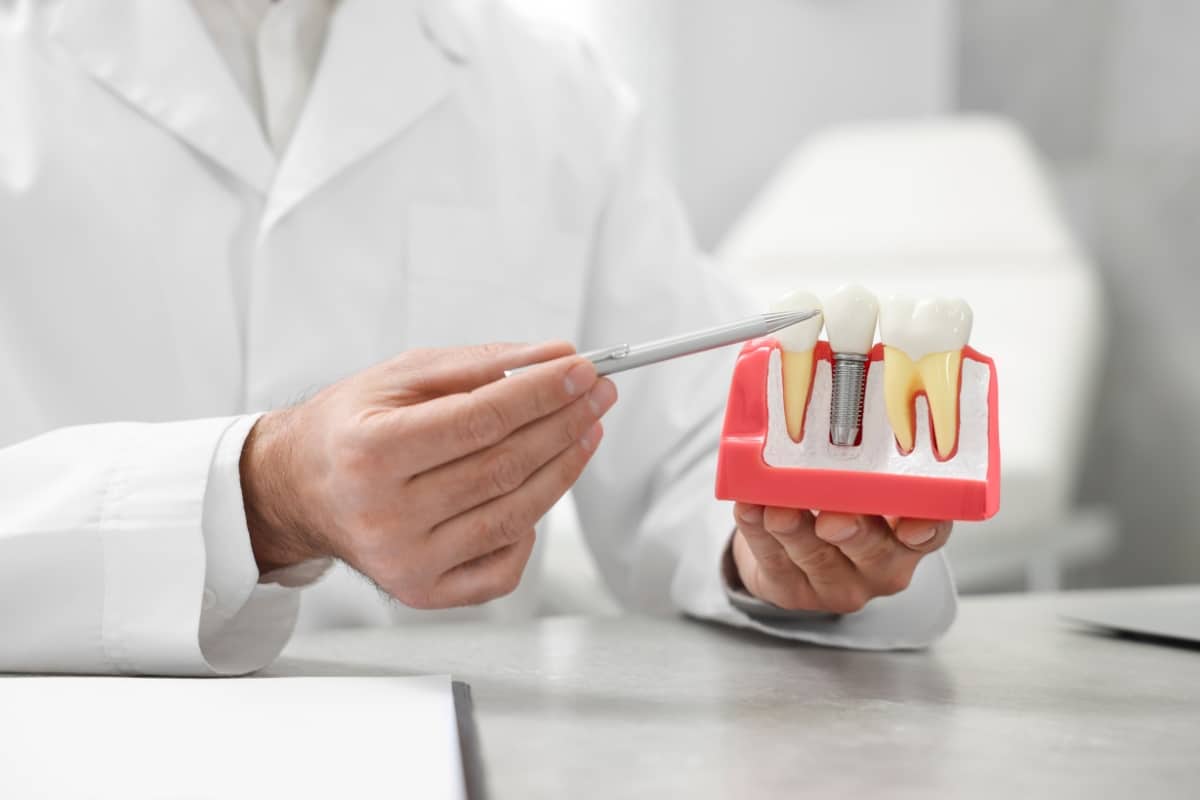
Dental restorations are artificial tooth roots made from biocompatible materials like titanium. They serve as a basis for permanent tooth replacement solutions like dentures or crowns. A post is inserted into the jawbone and fused to offer long-term support.
Dental implants in Colorado Springs are highly effective for replacing one or more missing teeth, restoring both function and aesthetics. Modern advancements have made implants a preferred solution for achieving a natural-looking smile.
Causes of Taste Changes
Taste alterations are uncommon with dental restorations, but some factors can occasionally contribute to changes in taste perception.
- Surgical Trauma: During dental implant surgery, minor trauma to surrounding tissues may temporarily affect the taste buds. This typically resolves as healing progresses.
- Medication and Anesthesia: Post-surgical medications or anesthesia used during the procedure may temporarily influence taste. This effect diminishes once the drugs are discontinued.
- Metal Sensitivity: Rarely, sensitivity to materials like titanium might impact sensory functions. In such cases, alternative materials are available for consideration.
- Dry Mouth: Certain medications or surgical factors can lead to dry mouth, altering taste perception. Hydration helps alleviate this condition.
Factors That May Cause Taste Changes During Dental Restoration Procedures
Several factors can influence the likelihood of taste changes before, during, or after the implant procedure.
- Pre-Surgery Health Conditions: Existing conditions, such as diabetes or sinus issues, can affect sensory responses during and after tooth restoration.
- Smoking and Taste: Smoking reduces taste sensitivity and may hinder healing after implant procedures, potentially affecting taste perception.
- Oral Hygiene: Maintaining excellent oral hygiene prevents infections, promoting optimal healing and reducing potential impacts on taste.
- Healing Time and Recovery: Taste alterations, if any, are usually temporary and subside as tissues heal and the body adapts to the implant.
Preventing Taste Changes
Taking proactive steps can minimize the likelihood of taste changes during or after implant dentistry.
- Communicate with Your Colorado Springs Dentist: Discuss concerns about taste changes before your procedure. This helps the dental team tailor a personalized treatment plan.
- Follow Post-Operative Care Instructions: Adhering to your dentist’s guidelines in Colorado Springs supports proper healing and reduces complications that might impact taste.
- Monitor and Report Symptoms: Consider unusual symptoms, including prolonged taste changes, and promptly report them to your dental professional.
- Consider Dietary Adjustments: Eating softer, non-irritating foods during recovery ensures comfort while helping taste buds recover naturally.
Dental restorations are highly effective for missing teeth solutions, offering reliable and lasting results. While rare, minor taste changes can occur due to surgical or recovery factors, but these are usually temporary. By working closely with your dentist and following proper care, you can enjoy the numerous benefits of permanent teeth replacement. It will happen without any lasting concerns about implants.
If you’re considering enhancing your smile with a dental implant, consult Dr. Collin Brones at (719) 300-4639 or visit us at 5780 N Carefree Cir Colorado Springs, CO 80917 USA.