

Dental implants are a popular and long-lasting solution for replacing missing teeth. They offer numerous benefits over traditional bridges and dentures, including improved stability, better aesthetics, and preservation of jawbone health. But if you’re considering dental implants, you might wonder: how many can be placed in one surgery?
This blog post dives into the world of dental implant placement, exploring factors that influence the number of implants suitable for a single procedure. We’ll also discuss the pros and cons of placing multiple implants at once to help you make an informed decision.
Factors Affecting the Number of Implants Placed
Several factors influence the number of dental implants a dentist can place during one surgery. Here are some key considerations:
1. Number of Missing Teeth: The most straightforward factor is the number of teeth you need to replace. If you’re only missing one or two teeth, you’ll likely only need one or two implants, respectively. However, if you’re missing several teeth or an entire arch, a strategic plan using fewer implants might be possible.
2. Jawbone Health: Dental implants rely on osseointegration, a process where the jawbone fuses with the implant surface for stability. If your jawbone has undergone significant atrophy due to missing teeth, it might not be strong enough to support multiple implants at once. Bone grafting procedures can sometimes address this issue but may require additional healing time before implant placement.
3. Patient Tolerance: Dental implant surgery, while minimally invasive, still involves some level of discomfort. The number of implants placed can impact the duration and complexity of the surgery. Your dentist in Colorado Springs will consider your overall health and pain tolerance when determining how many implants can be placed comfortably during a single session.
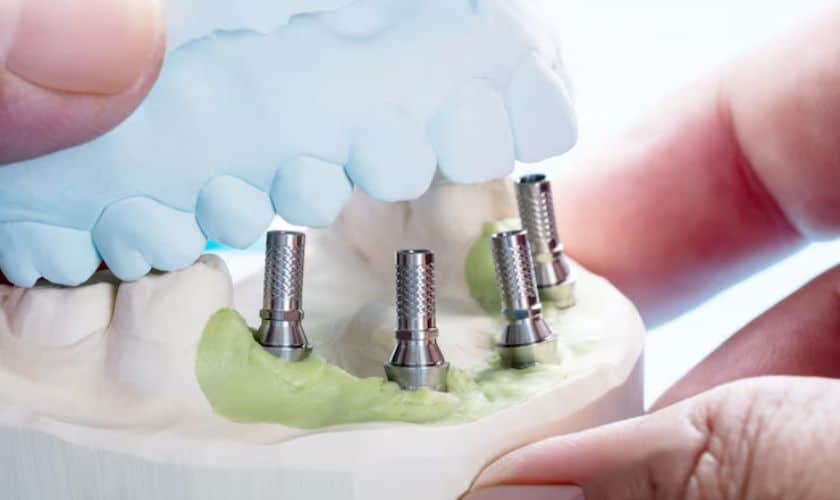
4. Treatment Technique: Advancements in dental implant techniques have opened doors for strategically placing fewer implants to support bridges or dentures. Techniques like “All-on-4” allow for the placement of just four implants to support a full arch of teeth on the same day.
5. Your Dentist’s Expertise: An experienced and skilled dentist is crucial for successful dental implant placement. Their expertise in assessing your jawbone health, planning implant positioning, and performing the surgery will significantly influence the number of implants they can confidently place in one go.
Pros and Cons of Placing Multiple Dental Implants at Once
There are both advantages and disadvantages to consider when deciding whether to place multiple dental implants in one surgery.
Pros:
1. Reduced Treatment Time: Placing multiple implants at once can significantly reduce the overall treatment time compared to having them placed individually over several appointments. This translates to fewer visits to the dentist and less time spent in the dental chair.
2. Improved Efficiency: Multiple implant placement streamlines the surgical process. You’ll only experience one surgery and recovery period, minimizing disruptions to your daily routine.
3. Cost-Effectiveness: While the upfront cost of placing multiple implants might seem higher, it can be more cost-effective in the long run. You’ll avoid additional surgical fees and anesthesia costs associated with multiple procedures.
Cons:
1. Increased Surgical Complexity: Placing more implants necessitates a longer and potentially more complex surgery. This can lead to a higher risk of post-surgical discomfort and swelling.
2. Healing Time: Your body needs time to heal after dental implant surgery. Placing multiple implants might extend the healing process compared to a single implant procedure.
3. Patient Discomfort: Some patients might find the idea of a longer surgery and potentially increased post-surgical discomfort unappealing.
4. Jawbone Issues: As mentioned earlier, the health of your jawbone plays a crucial role. If your jawbone isn’t strong enough, placing multiple implants could lead to complications.
Dental implants in Colorado Springs offer a reliable and long-term solution for replacing missing teeth. The number of implants placed in one surgery depends on various factors, including the number of missing teeth, jawbone health, and patient preference. Discussing your case with a qualified dentist in Colorado Springs will help you determine the optimal approach for a successful and comfortable dental implant experience.