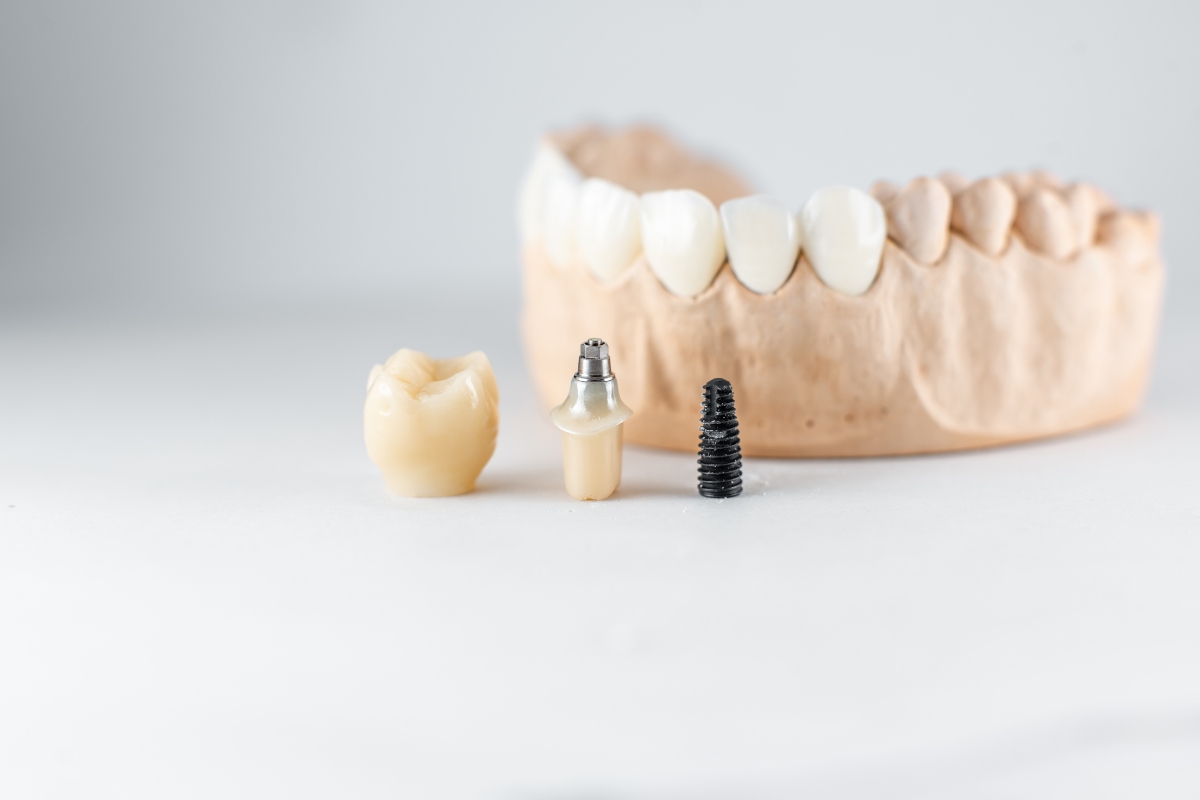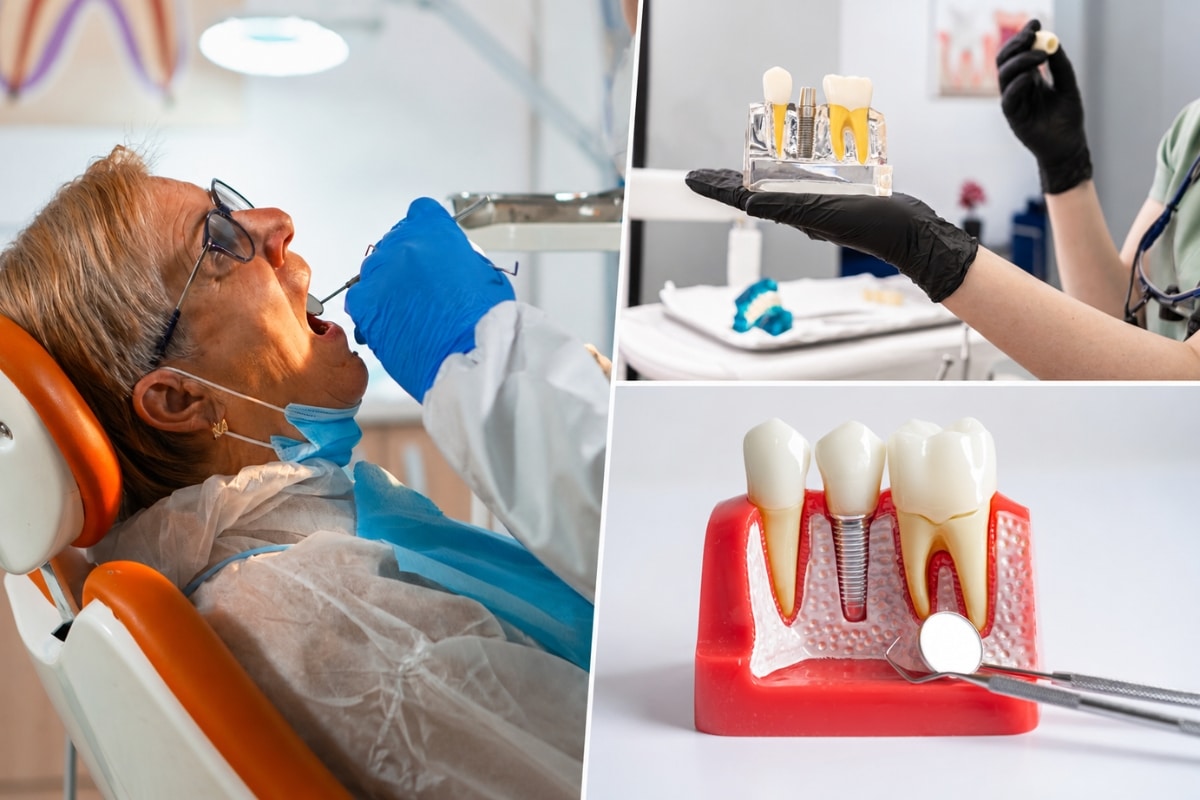


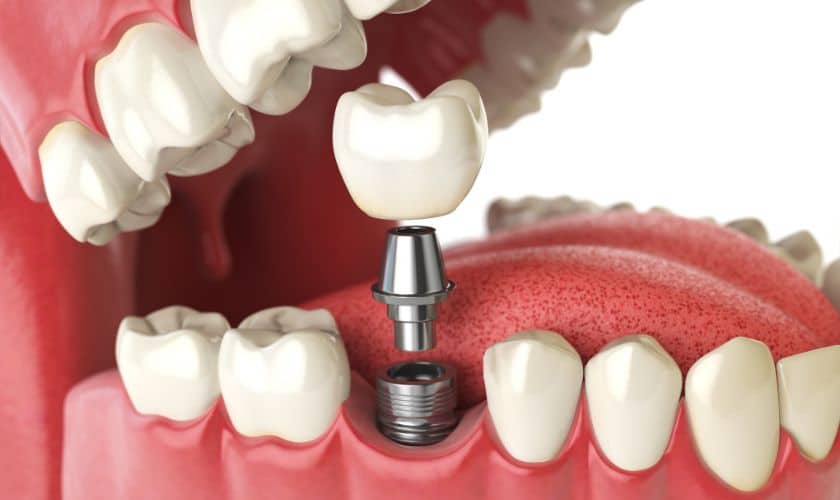
Dental implants have revolutionized the field of dentistry, providing a long-lasting and aesthetically pleasing solution for individuals with missing teeth. However, the success of dental implants is heavily dependent on the precision and expertise involved in their placement. Proper dental implant placement is a critical factor that significantly influences the overall success and longevity of the implant. In this blog post, we will delve into the importance of accurate dental implant placement and its impact on the success of the procedure.
The Role of Precision in Dental Implant Placement
1. Avoiding Complications
One of the primary reasons for emphasizing proper dental implant placement is to avoid complications that may arise if the implant is not positioned accurately. Complications such as infection, nerve damage, and implant failure can occur when the implant is not placed precisely in the jawbone. A skilled oral surgeon understands the anatomy of the jawbone and takes the necessary precautions to minimize the risk of complications. When considering Dental Implants in Colorado Springs, it’s essential to choose a qualified professional to ensure the best outcome.
2. Ensuring Stability and Longevity
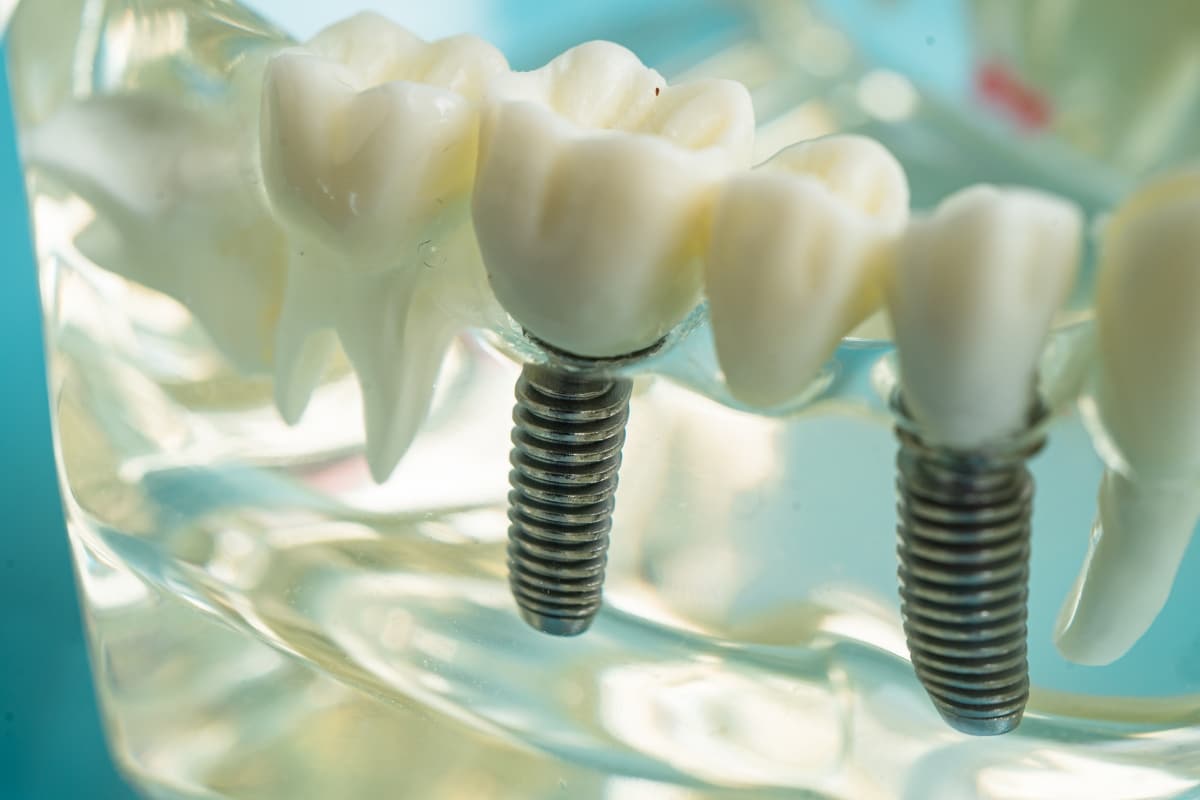
Dental implant placement ensures stability and longevity. A well-placed implant integrates with the surrounding bone, creating a strong foundation for the replacement tooth or teeth. This integration, known as osseointegration, is vital for the success of the implant. If the implant is not correctly placed, it may not fuse properly with the bone, leading to instability and a higher likelihood of implant failure over time.
The Impact of Technology on Dental Implant Placement
Advancements in technology have significantly contributed to the precision of dental implant placement. Cutting-edge tools such as cone beam computed tomography (CBCT) allow oral surgeons to create detailed 3D images of the patient’s jaw, enabling them to plan the implant placement with unparalleled accuracy. The use of guided implant surgery further enhances precision by providing a template for the exact positioning of the implant.
1. Digital Impressions and Planning
Digital impressions and computer-aided design (CAD) software play a crucial role in the planning phase of dental implant placement. These technologies allow oral surgeons to simulate the entire procedure digitally, analyzing various factors such as bone density, neighboring teeth, and anatomical structures. This meticulous planning ensures that the implant is placed in the optimal position for long-term success.
2. Guided Implant Surgery
Guided implant surgery involves the use of surgical guides based on the digital plan. These guides act as templates during the actual implant placement, directing the surgeon to the predetermined position with utmost precision. This minimally invasive approach reduces the margin of error, enhances accuracy, and ultimately contributes to the success of the dental implant.
Patient-specific Considerations in Dental Implant Placement
1. Bone Quality and Quantity
The success of dental implant placement is also influenced by the quality and quantity of the patient’s jawbone. A thorough assessment of bone density and volume is essential to determine the suitability of the implant procedure. In cases where the bone is deficient, additional procedures such as bone grafting may be required to ensure a stable foundation for the implant.
2. Adjacent Teeth and Occlusion
Dental implant placement considers the relationship between adjacent teeth and the patient’s bite (occlusion). The alignment and spacing of the implants with natural teeth are crucial for maintaining a harmonious bite and preventing issues such as misalignment or excessive force on the implant. Careful consideration of these factors contributes to the long-term success of the implant.
The Importance of Professional Expertise
While technological advancements play a pivotal role in enhancing precision, the importance of the oral surgeon’s expertise cannot be overstated. A skilled and experienced oral surgeon combines their knowledge of anatomy with the capabilities of advanced technology to ensure the optimal placement of dental implants.
1. Customized Treatment Plans
Expert oral surgeons develop customized treatment plans based on the unique needs of each patient. Factors such as oral health, medical history, and aesthetic preferences are carefully considered to create a personalized approach to dental implant placement. This individualized care contributes to the overall success and satisfaction of the patient.
2. Post-operative Care and Monitoring
The expertise of the oral surgeon extends beyond the surgical procedure. Proper post-operative care and monitoring are essential for the success of dental implants. A comprehensive follow-up plan ensures that any potential issues are addressed promptly, contributing to the long-term health and stability of the implant.
In conclusion, the success of dental implants is intricately linked to the precision and expertise involved in their placement. Proper dental implant placement not only minimizes the risk of complications but also ensures stability, longevity, and overall success of the procedure. Technological advancements, combined with the skill of oral surgeons, continue to elevate the standards of implant dentistry, providing patients with effective and reliable solutions for replacing missing teeth.
As the field evolves, the emphasis on precision in dental implant placement remains a cornerstone for achieving optimal outcomes and enhancing the quality of life for individuals seeking a permanent and natural-looking tooth replacement option. At Powers Dental Group Colorado Springs, precision and expertise are prioritized to ensure the best results for your dental implant needs.