

If you’ve just had a root canal, you’re probably focused on one thing—relief from pain and getting back to normal. But your aftercare choices matter more than you might think, especially when it comes to smoking.
One of the most common questions patients ask is: can you smoke after a root canal?
As a Colorado Springs emergency dentist, we’ll explain why smoking can seriously affect your healing, how long you should wait, and what you can do to protect your treated tooth.
A root canal can save your tooth from severe damage or infection. As an essential dental procedure, it’s often considered an emergency. But what happens if you smoke after a root canal? Let’s explore the reasons why smoking can harm your recovery and what an emergency dentist in Colorado Springs recommends.
Why Are Root Canals Considered a Dental Emergency?
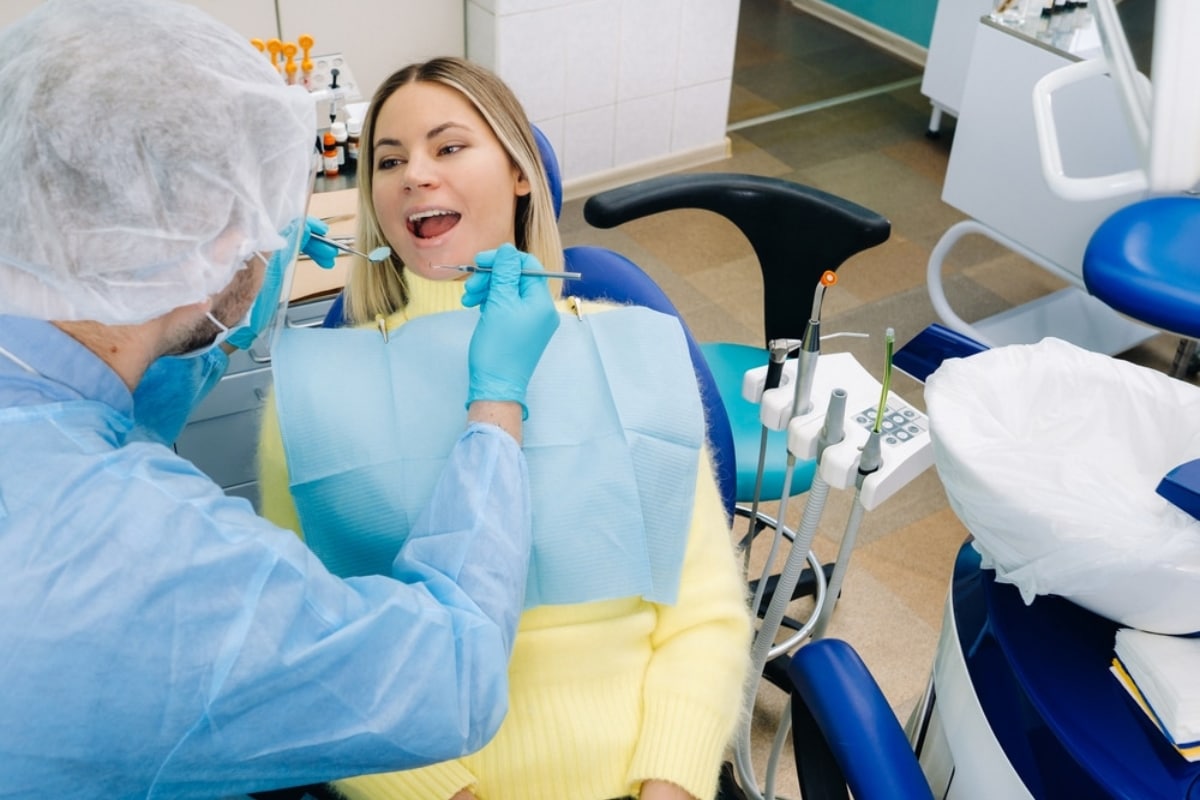
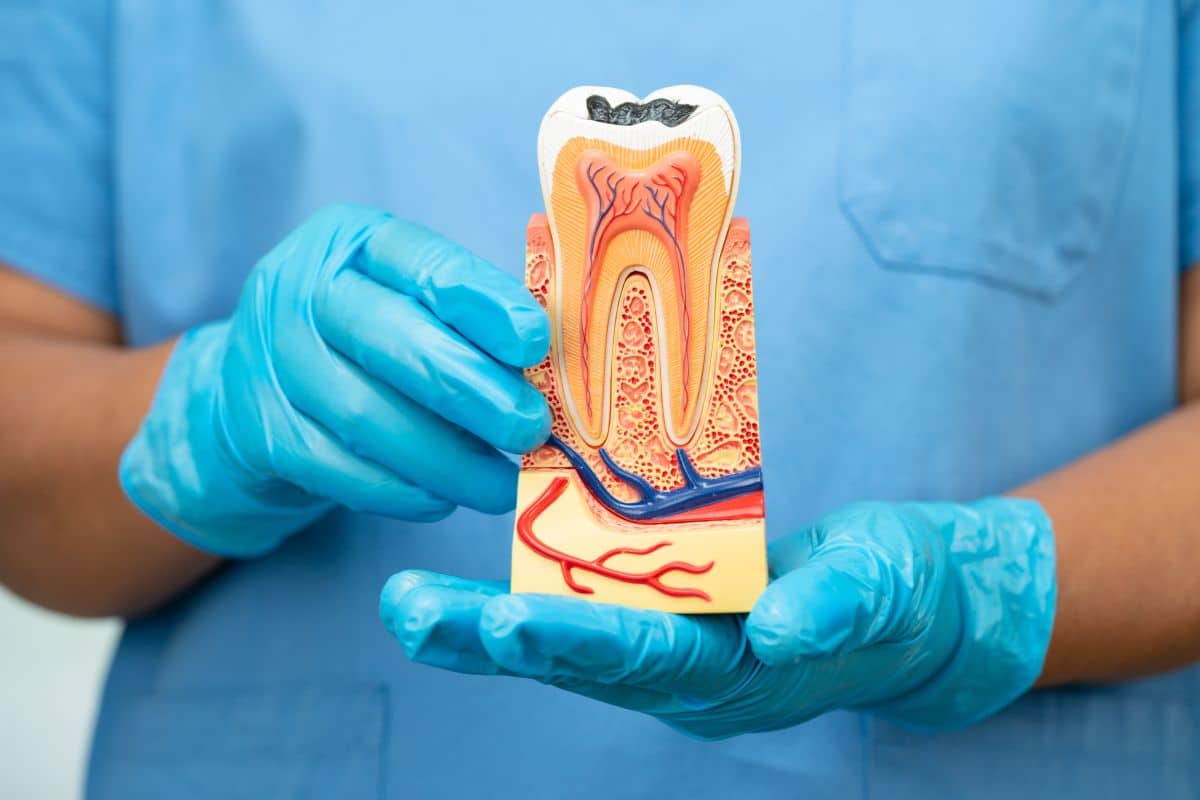
Root canals are necessary when the pulp inside your tooth becomes infected or damaged. This infection can cause severe pain, swelling, and abscesses. Left untreated, it can spread to other parts of your body. That’s why emergency dentist in Colorado Springs often consider root canals as urgent care.
The procedure involves removing the infected pulp, cleaning the area, and sealing it to prevent further infection. This not only relieves pain but also saves your natural tooth. The urgency of this procedure is why it’s classified as a dental emergency.
Can You Smoke After a Root Canal?
No, you should avoid smoking after a root canal.
Smoking can interfere with healing, increase the risk of infection, and reduce the overall success of your treatment. Even one cigarette too soon can delay recovery and cause unnecessary complications.
Dentists strongly recommend avoiding smoking for at least the first few days after treatment.
The Healing Process After Endodontic Treatment
After a root canal, your body needs time to heal. After the procedure, the tooth’s interior is sensitive, requiring proper care to ensure full recovery. Typically, you may experience some discomfort or swelling, which is normal. Following your Colorado Springs dentist’s aftercare instructions is crucial for avoiding complications. Healing usually takes a few days to a week, depending on how well you care for your tooth.
Smoking After a Root Canal: Unveiling the Risks
Right after a root canal, indulging in smoking is risky and can seriously hamper your healing. Nicotine reduces blood flow, which is essential for tissue repair. This can delay the healing process and increase the risk of infection. Moreover, the chemicals in cigarettes can irritate your mouth, leading to increased pain and discomfort.
Smoking can also cause dry sockets, a painful condition where the blood clot protecting the tooth’s nerve gets dislodged. This can lead to severe pain and complications that require further treatment.
How Smoking Affects Oral Health?
Beyond just root canals, smoking hurts overall oral health. It stains your teeth, leads to bad breath, and increases the risk of gum disease. Smokers are also more likely to experience tooth loss and need more frequent dental care. The toxic chemicals in cigarettes weaken the immune system, making it harder for your body to fight infections. This is why emergency dentists in Colorado Springs strongly advise against smoking, especially after dental procedures.
What Does an Emergency Dentist Recommend to Smokers?
If you’re a smoker considering or recovering from a root canal, there are steps you can take to protect your oral health. First and foremost, try to quit smoking or at least avoid it during your recovery period. This can significantly improve your healing process. Your dentist may recommend nicotine patches or other cessation aids to help you avoid smoking. Maintaining good oral hygiene by brushing and flossing regularly is also essential. Keep all follow-up appointments with your dentist in Colorado Springs to monitor your recovery.
Tips for a Smooth Recovery After a Root Canal
To ensure a smooth recovery after your root canal, follow these tips from your Colorado Springs emergency dentist. Avoid smoking and stick to soft foods for the first few days. Avoid biting down on hard or crunchy foods to prevent damaging the treated tooth. Rinse your mouth with warm salt water to keep the area clean and reduce swelling. Take any prescribed medications as directed, and contact your dentist in Colorado Springs if you experience unusual pain or swelling.
A root canal is critical to save your tooth and alleviate pain. However, smoking after this procedure can delay healing and lead to complications. By following your dentist’s advice and avoiding smoking, you can ensure a smoother recovery. Your oral health is worth the effort, so take steps to protect your smile.
While root canals are considered dental emergencies, smoking post-procedure only complicates your recovery. Listen to your emergency dentist in Colorado Springs and take the proper steps for a healthy, pain-free smile. Whether you need root canal treatment or other emergency dentistry services, visit Powers Dental Group in Colorado Springs for complete care.
Frequently Asked Questions (FAQ)
How long should I wait to smoke after a root canal?
Most dentists recommend waiting at least 48–72 hours, but ideally 5–7 days for proper healing.
What happens if I smoke right after a root canal?
Smoking too soon can slow healing, increase pain, and raise the risk of infection or treatment failure.
Is vaping safer than smoking after a root canal?
No. Vaping still exposes tissues to nicotine and can delay healing just like smoking.
Why does smoking affect healing after dental treatment?
Smoking reduces blood flow and oxygen supply, which are essential for tissue repair and recovery.
Can smoking cause a root canal to fail?
In some cases, yes. Smoking increases the risk of infection and poor healing, which can compromise treatment success.