


Many Colorado Springs patients considering cosmetic dentistry ask the same question: Are veneers worth it? Veneers can transform the appearance of teeth affected by discoloration, chips, gaps, uneven edges, and other cosmetic concerns. Understanding how veneers work, how long they can last, and what maintenance involves can help you decide whether they are right for your smile.
At Powers Dental Group in Colorado Springs, Dr. Paul Smith takes a personalized approach to cosmetic dentistry. Every smile is different, so the right treatment depends on your oral health, cosmetic goals, tooth structure, and long-term expectations.
What Are Dental Veneers and Why Do People Choose Them?
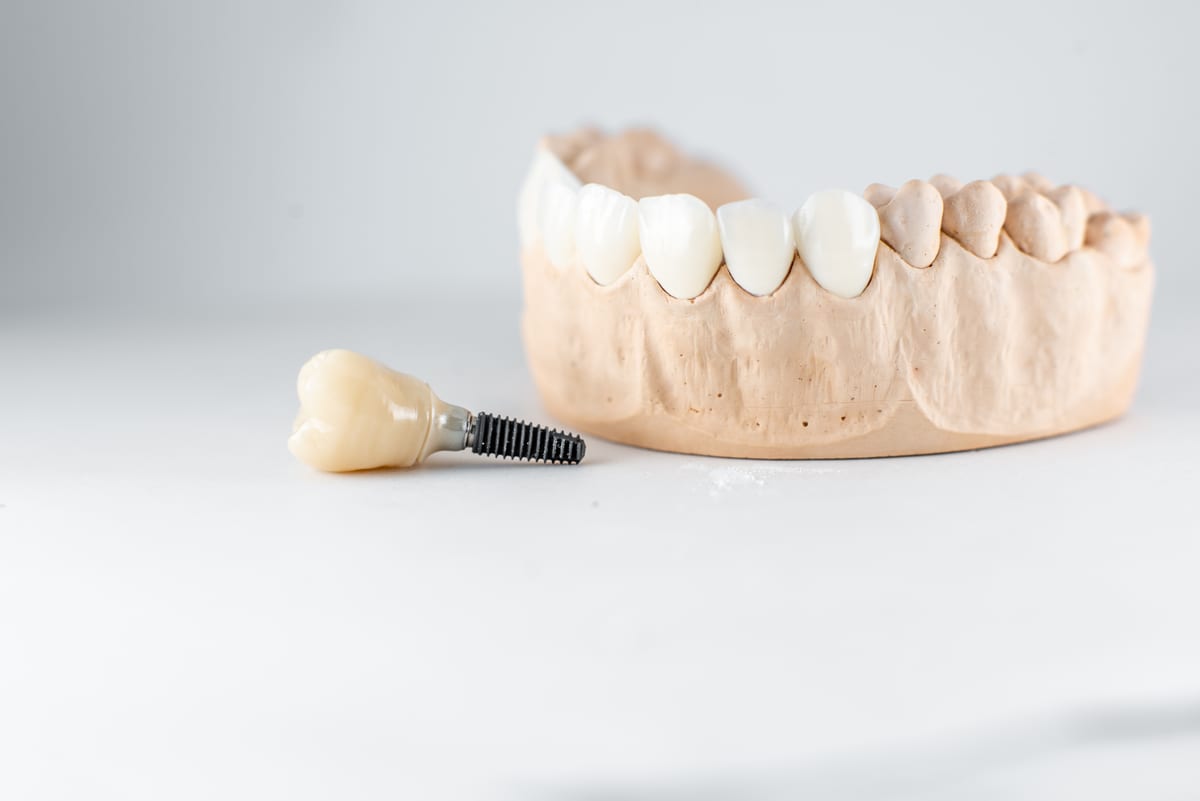
Dental veneers are thin shells made from materials such as porcelain or composite resin. They are bonded to the front surfaces of teeth to improve their appearance and create a more uniform smile.
Patients may consider veneers for several cosmetic concerns, including:
- Deep or persistent tooth discoloration
- Small chips or worn edges
- Minor gaps between teeth
- Uneven tooth shapes
- Slightly irregular tooth proportions
- Cosmetic imperfections that do not respond well to whitening
One of the main advantages of veneers is their ability to address several cosmetic concerns at once. Rather than treating each issue separately, veneers can create a more balanced appearance across multiple teeth.
Veneers are primarily considered a cosmetic treatment, but maintaining the natural teeth underneath them remains an important part of long-term oral health.
How Long Do Veneers Actually Last?
The lifespan of veneers depends on several factors, including the material used, oral hygiene, bite forces, daily habits, and the overall health of the teeth and gums.
Porcelain veneers can often last 10 to 20 years or longer with proper maintenance. Some patients may keep their veneers for even longer periods when they follow good oral hygiene practices and avoid habits that can damage them.
Composite veneers generally have a shorter lifespan and may require repair or replacement sooner than porcelain veneers. However, the most appropriate material depends on the individual patient and the specific cosmetic concerns being addressed.
The longevity of any veneer treatment depends heavily on proper care.
What Can Affect the Lifespan of Veneers?
Several factors can influence how well veneers hold up over time.
Oral Hygiene
Good oral hygiene is essential for protecting both veneers and the natural teeth underneath them. Brushing twice a day, flossing regularly, and maintaining routine dental appointments can help reduce plaque buildup and support healthy gums.
Teeth Grinding and Clenching
Excessive pressure from grinding or clenching can place stress on veneers. Patients who grind their teeth may benefit from a custom night guard designed to protect their smile while they sleep.
Biting Hard Objects
Using your teeth to open packages, bite fingernails, chew ice, or break hard objects can increase the risk of chipping or damaging veneers. Avoiding these habits can help preserve the restoration.
Overall Oral Health
Healthy teeth and gums provide an important foundation for cosmetic treatment. Existing decay, gum disease, or other oral health concerns may need to be addressed before veneers are placed.
Regular preventive dental care can help identify potential problems early and support the long-term health of your smile.
Porcelain vs. Composite Veneers
Porcelain and composite veneers can both improve the appearance of teeth, but they differ in important ways.
Porcelain veneers are known for their natural appearance, stain resistance, and durability. Their translucency can closely resemble natural tooth enamel, making them an appealing option for patients seeking a highly realistic cosmetic result.
Composite veneers are made from tooth-colored resin that is applied and shaped directly on the teeth. Depending on the patient’s needs, they may provide a conservative approach to improving the appearance of selected teeth.
The right choice is not the same for everyone. Your dentist can evaluate your teeth, discuss your goals, and explain which material may provide the most appropriate result.
What Is the Veneer Process Like?
Understanding what happens during treatment can make the process easier to navigate. While every treatment plan is personalized, the process generally involves several stages.
1. Consultation
Your dentist evaluates your teeth, gums, bite, and overall oral health. You can also discuss the changes you would like to make to your smile.
2. Treatment Planning
Your dentist determines whether veneers are appropriate and discusses the material, tooth preparation, shape, shade, and overall appearance of the final smile.
3. Tooth Preparation
Depending on the type of veneers and your treatment plan, your dentist may need to remove a small amount of enamel to create the proper space and fit.
4. Impressions or Digital Scans
Your dentist may take traditional impressions or use digital scanning technology to capture detailed information about your teeth. This information helps guide the fabrication of your veneers.
5. Temporary Veneers
Some patients may receive temporary veneers while their permanent restorations are being prepared. These can provide protection and help you get familiar with the planned appearance.
6. Final Placement
Once the veneers are ready, your dentist carefully evaluates their fit, appearance, and relationship with your bite before bonding them to the teeth.
7. Follow-Up
A follow-up appointment lets your dentist evaluate your comfort, bite, and overall result, and address any concerns.
How Should You Care for Veneers?
Veneers do not require an unusually complicated maintenance routine. However, consistent oral care is important.
Brush your teeth twice a day using a soft-bristled toothbrush and fluoride toothpaste. Floss regularly to clean between the teeth and around the gumline. Continue attending routine dental examinations and professional cleanings.
You should also avoid habits that place unnecessary stress on your teeth. If you grind or clench your teeth, ask your dentist whether a custom night guard may be appropriate.
Although veneers are designed to be durable, they are not indestructible. Treating them with the same care you would give your natural teeth can help support their longevity.
Are Veneers Worth It?
Whether veneers are worth considering depends on your individual smile goals and oral health. For patients who want to address several cosmetic concerns and achieve a more consistent, natural-looking smile, veneers can provide a long-lasting cosmetic solution.
The most important consideration is choosing a treatment that fits your teeth and maintaining the results through good oral hygiene and regular dental care.
If you are considering veneers in Colorado Springs, a consultation with an experienced cosmetic dentist can help you understand your options and determine whether veneers are suitable for your smile.
Make an Informed Decision About Veneers in Colorado Springs
Veneers can provide a durable and natural-looking way to improve the appearance of several cosmetic concerns. Their long-term success depends on proper treatment planning, healthy teeth and gums, good oral hygiene, and responsible daily habits.
If you are considering veneers in Colorado Springs, Powers Dental Group can help you understand whether this cosmetic treatment is appropriate for your smile. Schedule a consultation to discuss your goals and explore your treatment options.
Frequently Asked Questions
How long do porcelain veneers last?
Porcelain veneers can often last 10 to 20 years or longer with proper care. Their longevity depends on factors such as oral hygiene, bite forces, dental habits, and regular professional care.
Are composite veneers different from porcelain veneers?
Yes. Composite veneers use tooth-colored resin, while porcelain veneers are fabricated from ceramic material. They differ in appearance, durability, maintenance considerations, and treatment techniques. Your dentist can help determine which option is appropriate for your needs.
Do veneers require special maintenance?
Veneers do not require a complicated maintenance routine. Brush twice daily, floss regularly, attend routine dental appointments, and avoid habits that could damage your teeth or restorations.
Can veneers be repaired if they chip or crack?
The appropriate solution depends on the material and extent of the damage. Some minor issues may be repairable, while significant damage may require replacement. Contact your dentist promptly if you notice a chip, crack, loosened veneer, or other change.
Who is a good candidate for veneers?
A good candidate generally has healthy teeth and gums and wants to improve specific cosmetic concerns. Your dentist will evaluate your oral health, tooth structure, bite, and smile goals before recommending veneers.
What is the first step toward getting veneers?
The first step is a consultation. Your dentist can examine your teeth, discuss your goals, explain the available veneer options, and develop a treatment plan based on your individual needs.