


Many Cordera patients ask the same question before committing to cosmetic dentistry: Will your cosmetic smile last 10 years or 20? The honest answer depends on two things — the treatment you choose and the habits you maintain afterward. Some cosmetic results hold up beautifully for two decades. Others need refreshing within five to seven years. Understanding the difference helps you invest wisely and enjoy your smile longer.
How Long Each Cosmetic Treatment Actually Lasts
Not every cosmetic treatment ages the same way. The material, the placement technique, and the forces your teeth endure all affect longevity. Here is a realistic breakdown by treatment type.
Porcelain veneers are among the most durable cosmetic options available. With proper care, they typically last 10 to 20 years. Their lifespan depends heavily on bite pressure and at-home hygiene.
Dental bonding uses a composite resin applied directly to the tooth. It is more affordable than veneers but generally lasts 5 to 10 years before it may chip or discolor. Touch-ups are common and straightforward.
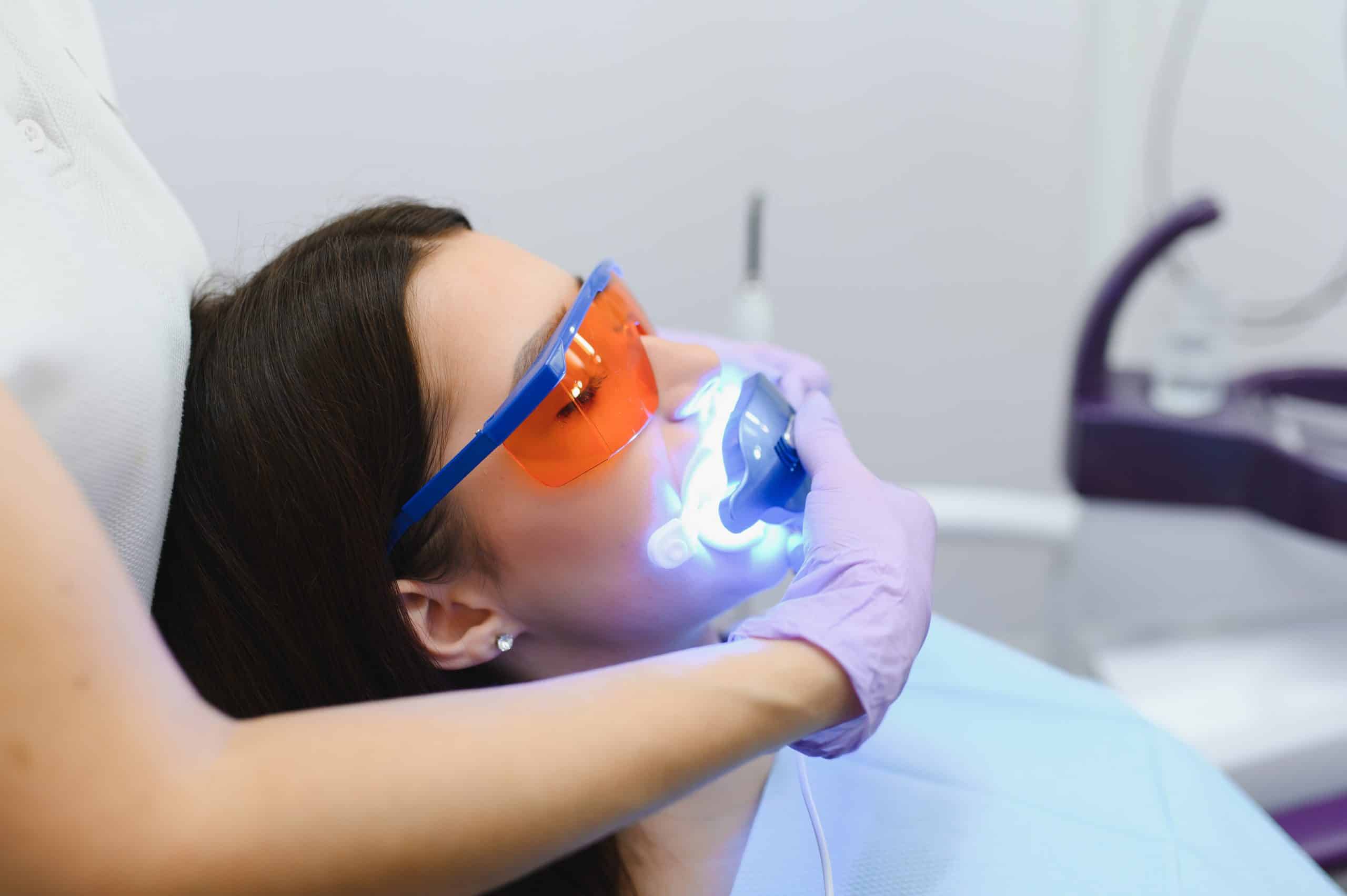
Teeth whitening results are the most temporary of all cosmetic treatments. Professional whitening lasts 1 to 3 years on average. Dietary habits and personal hygiene routines have an enormous impact on how quickly results fade.
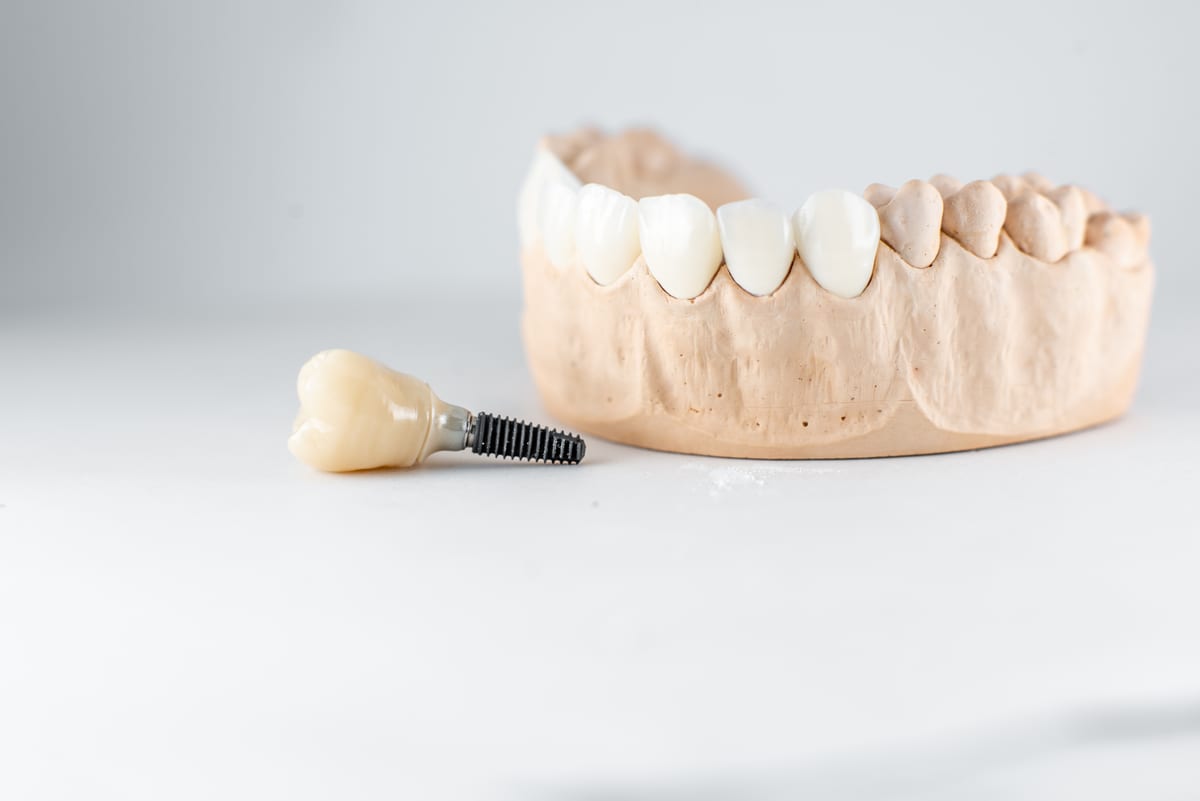
Dental crowns used for cosmetic and restorative purposes typically last 10 to 15 years. High-quality ceramic crowns can last longer with excellent oral hygiene. Grinding and clenching remain the most common cause of premature failure.
Patient Habits That Determine Cosmetic Smile Longevity in Cordera
Your daily choices matter just as much as the quality of the dental work itself. Cordera patients who follow these habits consistently see cosmetic results that last far longer. Those who skip them often find themselves back in the dental chair sooner than expected.
- Brush twice daily with a soft-bristled toothbrush and non-abrasive toothpaste
- Floss every day to prevent decay around restoration margins
- Wear a custom night guard if you grind or clench your teeth
- Avoid biting hard objects like ice, pen caps, or hard candy
- Limit staining foods and beverages such as coffee, red wine, and dark berries
- Schedule routine preventive dentistry in Cordera checkups every six months
Preventive care is the single most powerful way to extend any cosmetic result. Professional cleanings remove buildup that weakens restorations over time. Dr. Michael Lund and the team at Powers Dental Group in Cordera help patients build personalized maintenance plans that protect their investment.
Why Some Smiles Age Faster Than Others
Two patients can receive identical veneers and see very different results at year ten. Lifestyle and biology both play a role. Understanding the risk factors helps you take control of your smile’s future.
Bruxism — the grinding or clenching of teeth — is one of the leading causes of premature cosmetic failure. The repeated pressure fractures bonding, chips veneers, and wears down crowns. A simple night guard can protect thousands of dollars worth of dental work.
Acidic and sugary diets weaken the enamel surrounding restorations. When enamel erodes, the margins of veneers and bonding become vulnerable to decay. Catching these issues early through restorative dentistry in Cordera services prevents minor problems from becoming costly replacements.
Tobacco use — whether smoked or chewed — dramatically shortens cosmetic results. It stains restorations, damages gum tissue, and compromises your smile’s overall health. Patients who quit tobacco typically see significant improvements in both cosmetic longevity and oral health.
What to Expect at Your Longevity Check-In With Dr. Lund
Dr. Michael Lund recommends that cosmetic patients schedule dedicated check-ins at the five-year and ten-year marks. These visits go beyond a standard cleaning. They evaluate the condition of your restorations in detail.
During a longevity check-in, the team examines restoration margins for early signs of wear or decay. They also assess bite alignment, gum health, and any signs of grinding. Catching small issues early almost always costs less than waiting for a full replacement.
Here is what a typical longevity assessment includes:
- Visual and digital examination of all cosmetic restorations
- Bite analysis to detect uneven pressure distribution
- Gum and bone health evaluation around restoration sites
- Professional cleaning to remove biofilm from restoration margins
- Personalized recommendations for home care and protective appliances
Patients in Cordera who stay consistent with these check-ins routinely see their cosmetic work outlast industry averages. The investment in a single preventive visit can extend your smile’s life by years.
Making Your Cosmetic Investment Go the Distance
A beautiful smile is a long-term investment in your confidence and quality of life. The good news is that most cosmetic results are well within your control. You do not need to settle for a smile that fades in five years when it could last twenty.
Start by choosing a skilled, experienced dentist who sets realistic expectations upfront. Ask about the specific materials being used and how they compare in durability. Understand what your maintenance plan will look like before the procedure begins.
Combine excellent daily habits with consistent professional care. Protect your restorations from grinding, staining, and impact. Address any dental concerns early rather than waiting until a restoration fails entirely.
Dr. Michael Lund and the Powers Dental Group — Cordera team in Colorado Springs are ready to help Cordera patients plan smiles that truly stand the test of time. Book now to schedule your appointment with our dentists.
Frequently Asked Questions
How long do porcelain veneers typically last in Cordera patients?
Porcelain veneers generally last between 10 and 20 years with proper care. Patients who avoid hard foods, wear a night guard if needed, and maintain regular dental visits tend to see results at the longer end of that range. Material quality and placement skill also influence lifespan.
Does teeth whitening need to be redone every year?
Not necessarily. Professional whitening results typically last 1 to 3 years, depending on your diet and oral hygiene habits. Patients who limit staining beverages and brush consistently often extend their results well beyond the average. Touch-up treatments can also help maintain brightness between full whitening sessions.
Can dental bonding be repaired if it chips?
Yes, dental bonding is one of the easiest cosmetic restorations to repair. A dentist can add composite resin to a chipped area and re-polish it in a single visit. Addressing chips quickly prevents further damage and helps the restoration last closer to its maximum lifespan of 10 years.
Does grinding my teeth really affect cosmetic restorations?
Absolutely. Bruxism — grinding or clenching — is one of the top causes of premature cosmetic failure. The repeated pressure can fracture veneers, chip bonding, and crack crowns. A custom night guard is a simple and affordable way to protect your cosmetic investment while you sleep.
How often should Cordera patients visit the dentist after cosmetic work?
Most patients benefit from checkups every six months. Those with cosmetic restorations may also benefit from dedicated longevity assessments at the five-year and ten-year marks. These focused visits evaluate the condition of restorations and allow early intervention before minor wear becomes a costly problem.