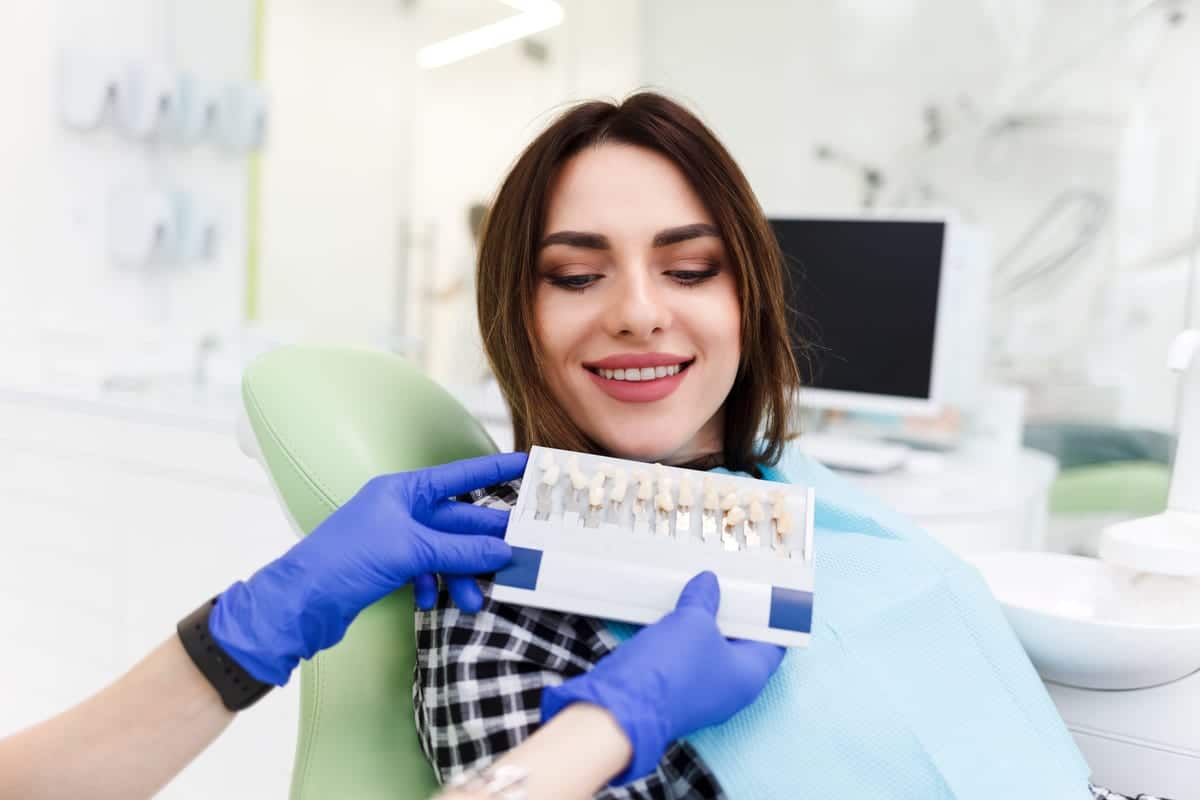


You’ve seen the ads. You’ve browsed the whitening strips at the pharmacy. But you’re still wondering — will teeth whitening actually work for you? It’s one of the most common questions Dr. Paul Smith hears at Powers Dental Group in Colorado Springs. The honest answer is: it depends. Whitening works beautifully for some patients and barely at all for others. This guide will help you figure out which category you fall into before you spend a dime.
How Teeth Whitening Actually Works — and Why It Matters for Candidacy
Most professional whitening treatments use hydrogen peroxide or carbamide peroxide. These active ingredients penetrate the enamel and break apart stain molecules. The result is a lighter, brighter tooth surface. But here’s the key: whitening only works on natural tooth enamel. It does not change the color of dental work, and it cannot remove all types of stains.
There are two categories of tooth discoloration. Extrinsic stains sit on the surface of your enamel. Intrinsic stains live deep inside the tooth structure. Whitening treatments are highly effective against extrinsic stains. They have very limited impact on intrinsic discoloration. Understanding which type you have is the first step in knowing whether whitening will deliver real results for you.
Who Gets the Best Results from Teeth Whitening in Colorado Springs
Patients with extrinsic staining tend to see the most dramatic improvements. If your teeth have yellowed from coffee, tea, red wine, or tobacco, professional whitening can make a significant difference. These surface stains respond well to peroxide-based treatments. Many patients in Colorado Springs see several shades of improvement in a single session.
Healthy enamel is also a strong predictor of good results. Patients who maintain solid oral health habits—including regular checkups and cleanings through preventive dentistry— are often the strongest candidates for whitening. Clean, plaque-free teeth allow the whitening agent to reach the enamel evenly. The outcome is more consistent and longer-lasting.
Age-related yellowing also responds well to whitening. As we get older, enamel naturally thins and teeth can appear more yellow. Professional-grade whitening agents are strong enough to address this gradual discoloration. Results in these cases are typically very satisfying.
Who May Not Get the Results They Expect
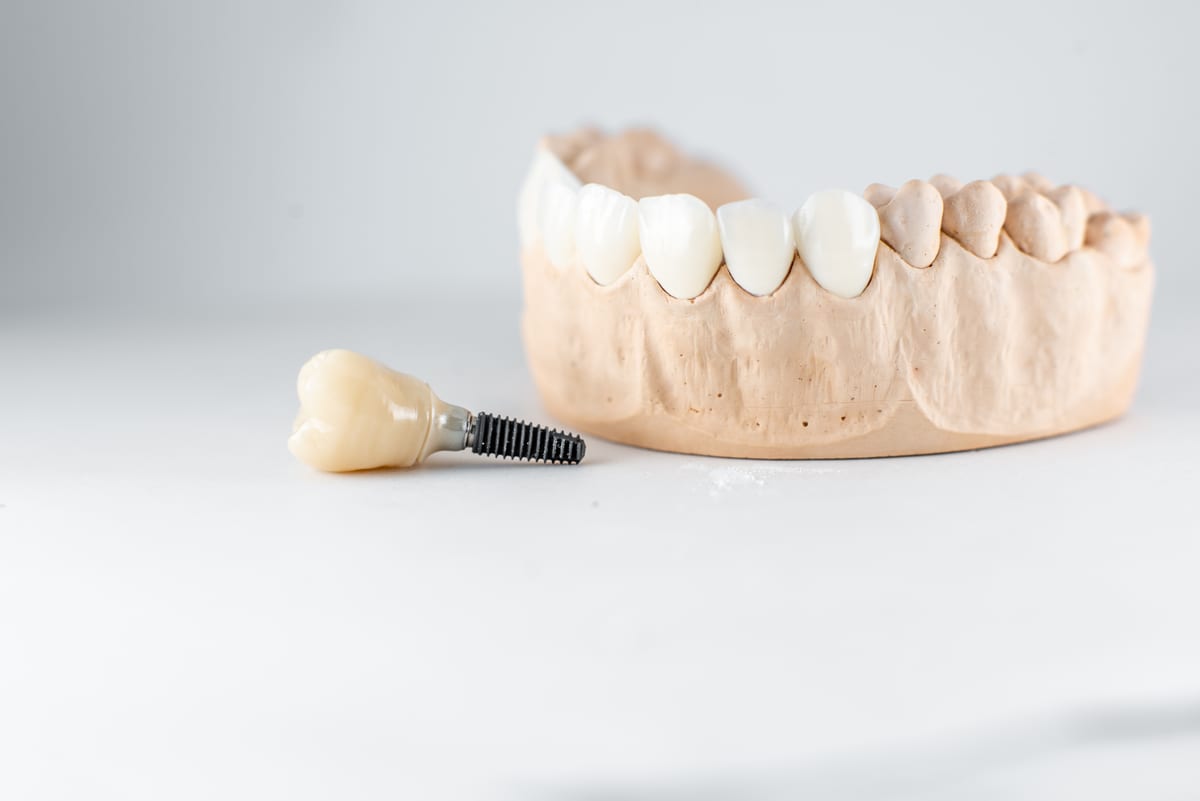
This is where Dr. Paul Smith believes in being completely upfront with patients. Whitening does not work on dental restorations. Crowns, veneers, bridges, and tooth-colored fillings will not lighten. If your visible teeth include any of these restorations, whitening your natural teeth could create an uneven color mismatch. That’s an outcome no one wants.
Intrinsic stains are another challenge. These stains form inside the tooth and are not accessible to whitening agents. Common causes include fluorosis (overexposure to fluoride during childhood), certain antibiotics like tetracycline, and tooth trauma. Tetracycline staining in particular is notoriously difficult to treat with standard whitening. In these cases, cosmetic options like veneers or bonding may deliver better results.
Patients with significant tooth sensitivity, gum recession, or weakened enamel may also struggle with whitening. The peroxide in whitening gels can aggravate already sensitive teeth. Your dentist can evaluate whether whitening is safe or whether another path makes more sense for your smile. Dental restorations that need attention may also benefit from restorative dentistry before any cosmetic work begins.
Medication-Induced and Intrinsic Staining — What Are Your Options?
Medication-induced staining is one of the most misunderstood topics in cosmetic dentistry. Tetracycline antibiotics, when taken during tooth development, can cause deep gray or brown banding inside the tooth. This type of staining does not respond to whitening. Even high-concentration professional treatments produce minimal results on tetracycline-stained teeth.
The same is true for staining caused by excessive fluoride exposure during childhood. Fluorosis can create white spots or brown discoloration embedded in the enamel. Whitening may actually make white spot lesions more noticeable at first. A dental evaluation is essential before proceeding.
For patients with intrinsic staining or medication-induced discoloration, excellent cosmetic options are still available. Here is a quick overview of what may work better than whitening:
- Porcelain veneers — thin shells bonded to the front of teeth that completely mask deep staining
- Dental bonding — tooth-colored composite resin applied to disguise discoloration at a lower cost
- Dental crowns — used when staining is severe, and the tooth structure also needs support
- Microabrasion — sometimes used for surface fluorosis spots in combination with other treatments
Dr. Paul Smith will help you understand which option fits your situation and your goals. The right treatment depends on the type and severity of your staining, not just your preference for whiter teeth.
What to Expect at a Whitening Consultation at Powers Dental Group
A whitening consultation at our Colorado Springs practice is thorough and honest. We do not recommend whitening to every patient who asks for it. Instead, we evaluate your specific staining, your existing dental work, and your overall oral health. This ensures you invest in a treatment that delivers results.
Here is what happens during a typical whitening consultation:
- We review your dental and medical history, including any medications that may affect tooth color
- We examine your teeth for existing restorations, decay, and gum health
- We identify the type of staining — extrinsic, intrinsic, or a combination
- We discuss your whitening goals and realistic expectations
- We recommend a treatment plan tailored specifically to your smile
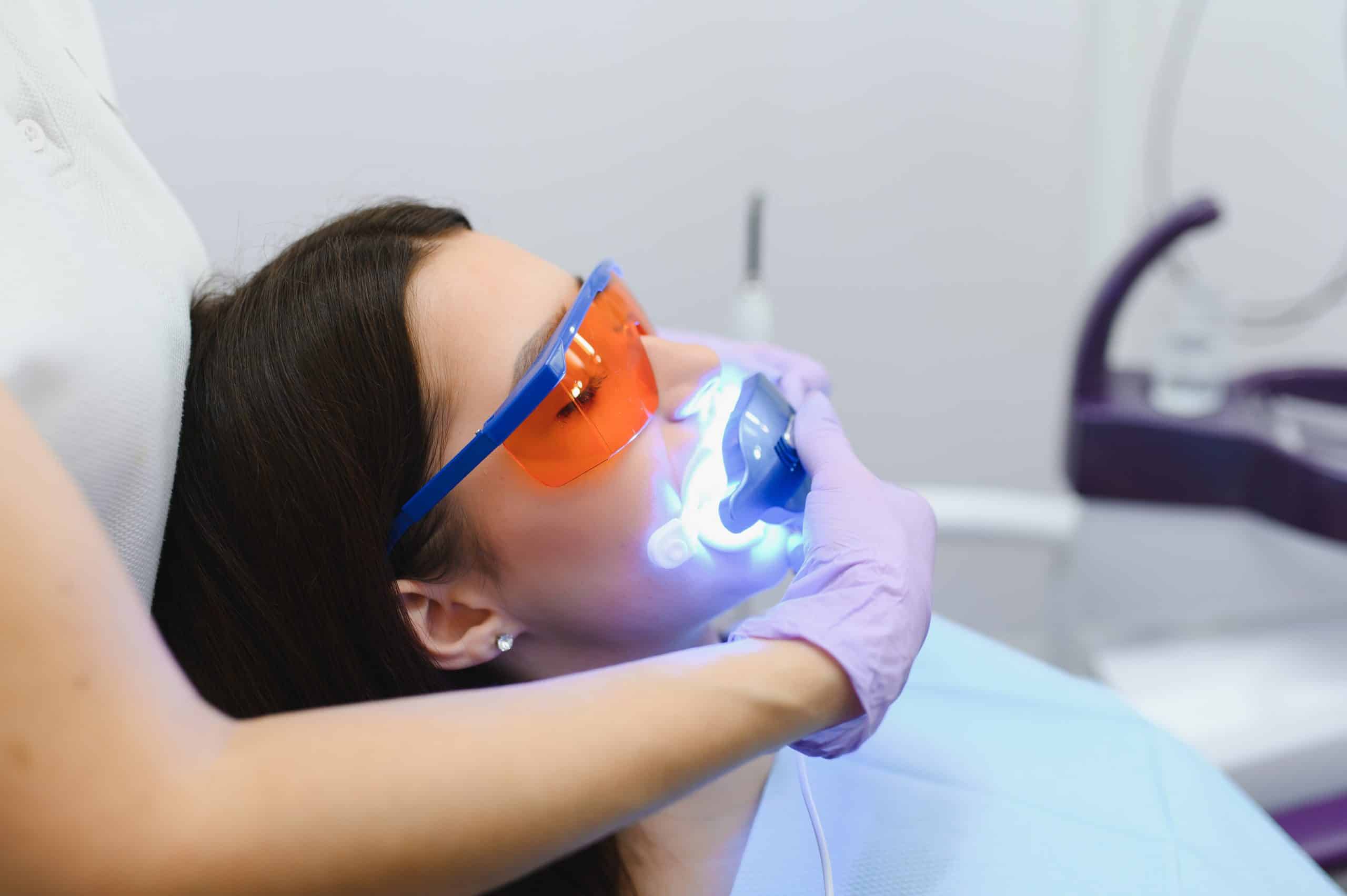
If professional whitening is a good fit, we offer in-office treatments that are far stronger than anything available over the counter. If whitening isn’t the right answer, we will explain why and walk you through alternatives that make sense for your teeth. Honest guidance is always our priority.
Frequently Asked Questions
Can I whiten my teeth if I have crowns or veneers?
Whitening agents do not change the color of crowns, veneers, or other dental restorations. If you whiten your natural teeth, the result may be an uneven color match between your natural teeth and your restorations. Talk to Dr. Paul Smith about your options before beginning any whitening treatment.
How long do professional whitening results last?
Professional whitening results typically last 6 months to 2 years. This depends on your diet, oral hygiene habits, and whether you use tobacco. Avoiding staining foods and beverages — and maintaining regular cleanings — helps extend your results significantly.
Is teeth whitening safe for sensitive teeth?
Whitening can increase tooth sensitivity, especially during and shortly after treatment. Patients with existing sensitivity should discuss this with their dentist before starting. Dr. Paul Smith can recommend lower-concentration options or desensitizing treatments to minimize discomfort if whitening is appropriate for you.
Will over-the-counter whitening strips give me the same results as professional whitening?
Over-the-counter strips use lower concentrations of peroxide than professional treatments. They can help with mild extrinsic staining but rarely produce dramatic results. Professional whitening is significantly more effective, faster, and better monitored for safety and even coverage across your teeth.
What if whitening does not work for my type of staining?
If whitening is not the right solution, there are effective cosmetic alternatives. Veneers and dental bonding can dramatically improve the appearance of teeth with intrinsic or medication-induced staining. Dr. Paul Smith will recommend the best option for your situation during a consultation.
If you are ready to find out whether whitening is right for your smile, our team at Powers Dental Group is here to give you a straight answer. Book now to schedule your appointment.