


Here’s what most people don’t know: every day a missing tooth goes untreated, your jawbone quietly dissolves in that exact spot. It doesn’t hurt. You can’t see it. But it’s already happening. Moreover, the longer you wait, the harder and more invasive the fix becomes. If you’re living with a gap in your smile, this is the one guide you actually need to read.
Why Is A Missing Tooth More Than Just A Gap In Your Smile?
Most people treat a missing tooth as a cosmetic inconvenience, something to hide in photos but not something to fix urgently. What’s actually happening beneath the gumline changes everything.
Your jawbone depends on the pressure of a tooth root to maintain its density. Without that stimulation, the bone begins resorbing, essentially breaking itself down, within just a few months of tooth loss. Over a year or two, the neighboring teeth drift into space and your bite shifts. As a result, your face starts to look different around the cheeks and jaw.
How Soon Should You Replace A Missing Tooth?
Timing plays a bigger role than most people expect. The first three to six months after tooth loss are critical, as this is when bone resorption begins to accelerate. Acting early can often eliminate the need for additional procedures like bone grafting. Waiting too long doesn’t just affect the missing area. Adjacent teeth begin to shift, and opposing teeth may over-erupt into the gap. This creates a more complex bite issue that requires more extensive correction later.
What Are The Solutions For Missing Teeth And Which One Lasts?
There are three primary ways to replace a missing tooth, and not all of them address bone loss.
- Dental bridges: It anchors to the teeth on either side of the gap, with a false tooth suspended in between. They’re a functional solution and can look natural. However, bridges require permanently altering healthy neighboring teeth and don’t stimulate the jawbone, so bone loss continues beneath.
- Removable partial dentures: They are exactly what they sound like: a removable appliance that sits over the gum. They’re usually the most accessible option upfront. However, they do nothing to stop bone resorption either.
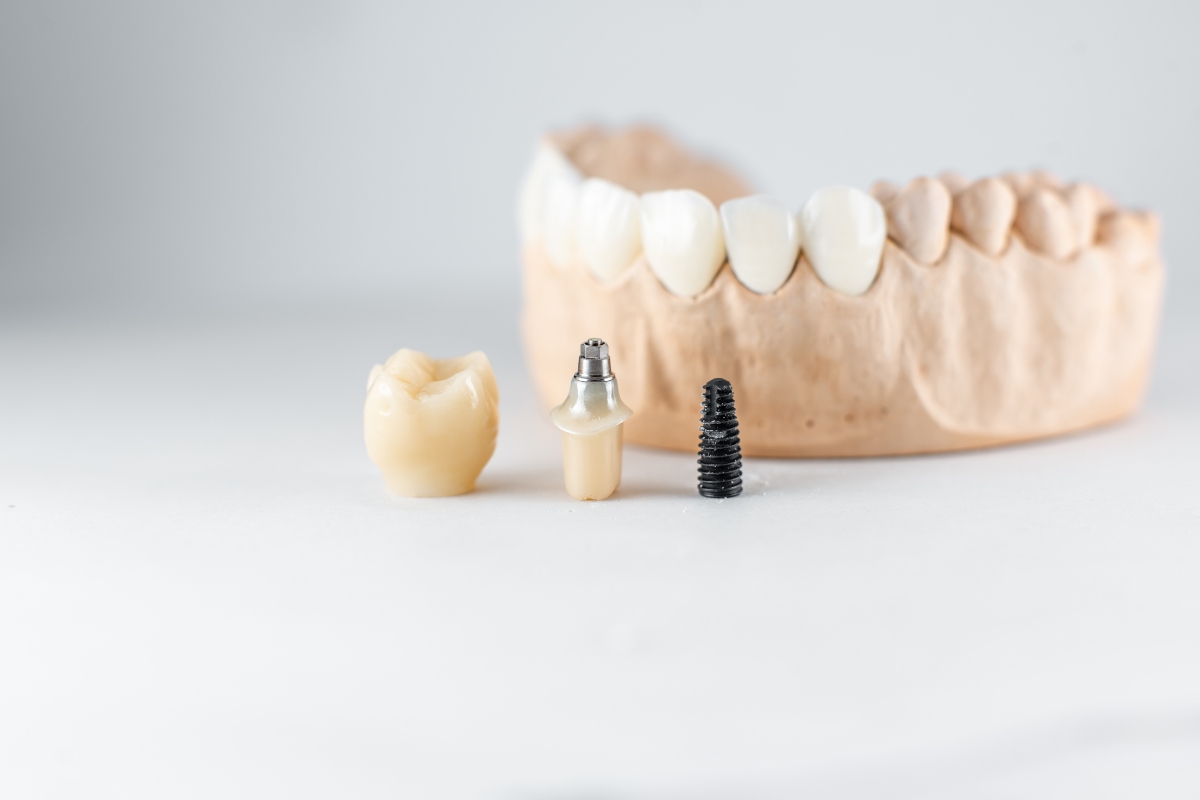
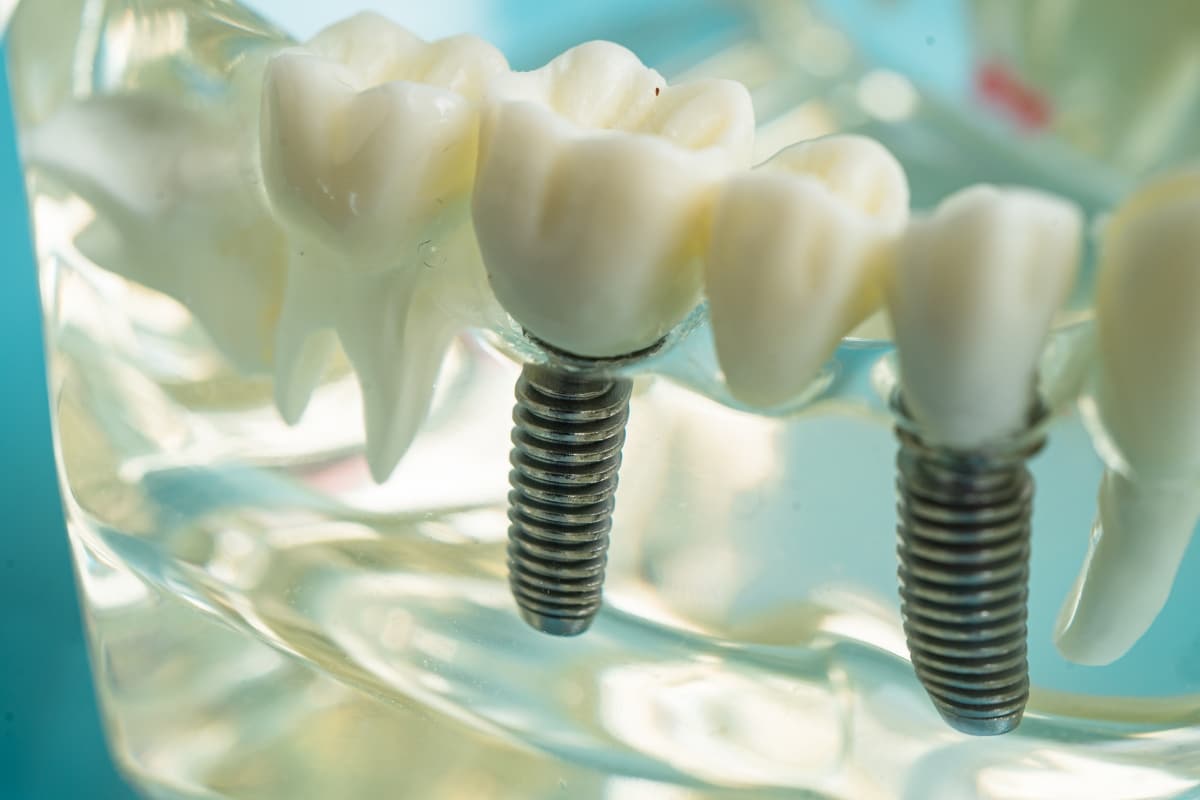
- Dental implants: Dental implants in Colorado Springs offer the best solution for missing teeth. An implant is a small titanium post surgically placed directly into the jawbone. It functions like a real tooth root, stimulating the bone and preventing the shrinkage that other options simply cannot stop. A custom crown is then placed on top, making it virtually indistinguishable from your natural teeth.
Bridges and dentures address the surface problem, but artificial tooth roots replace the root cause. It’s the only option that replaces the tooth root itself, which is key to preserving your jawbone long term.
What Does The Implant Process Actually Look Like, Step By Step?
One of the significant reasons people delay treatment is uncertainty about what the process involves. Here’s a simple breakdown.
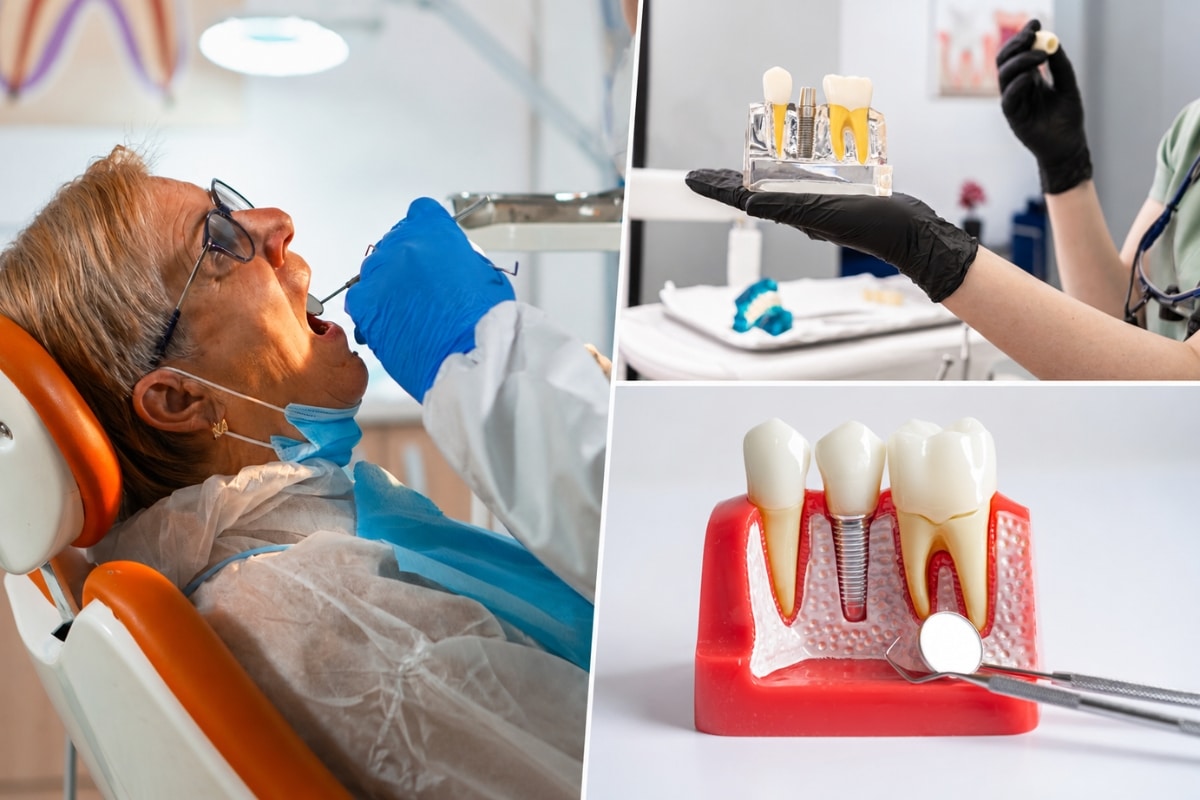
- Consultation and imaging: The dental professional in Colorado Springs takes 3D X-rays and evaluates the bone density at the surgical site. If bone loss has already occurred, a bone graft may be recommended first.
- Implant placement: The titanium post is surgically placed under local anesthesia. Most patients describe the experience as more comfortable than they anticipated. Recovery is usually a few days of mild soreness.
- Osseointegration: Over the next three to six months, the dental post fuses with your jawbone in a process called osseointegration. This is what gives the restoration their extraordinary stability.
- Crown placement: Once it has fully integrated, a custom-made crown is attached. It’s matched to the color and shape of your surrounding teeth.
From start to finish, the timeline is usually four to eight months, depending on whether bone grafting is needed.
How To Care For Your Replacement Tooth Long-Term?
Replacing a tooth is only part of the process. Maintaining it properly ensures long-term success. Daily care should include:
- Brushing twice a day with a soft-bristle brush
- Cleaning between teeth using floss or interdental tools
- Regular dental checkups to monitor gum and bone health
Unlike natural teeth, implanted teeth won’t decay, but the surrounding gums still require attention to prevent complications.
Does Colorado’s High Altitude Or Climate Affect Healing?
Here’s something most dental blogs overlook, but it matters in Colorado Springs.
The city’s high-altitude, semi-arid climate often leads to lower humidity levels, which can contribute to dry mouth. Reduced saliva flow weakens your mouth’s natural defense against bacteria, increasing the risk of irritation or delayed healing after procedures. During recovery, staying well hydrated is especially important for supporting tissue healing and maintaining a balanced oral environment. Patients should also be aware that dry winter air, particularly during colder months, can heighten gum sensitivity.
An experienced provider in Colorado Springs will take these local factors into account and guide you with aftercare steps that support smoother, more predictable healing.
Restore Your Smile Before The Damage Spreads
A missing tooth isn’t something to put off. The longer it goes untreated, the more it affects your jawbone, bite, and overall oral health.
At Powers Dental Group in Colorado Springs, the focus goes beyond simply filling a gap. The goal is to restore full function, protect your bone structure, and help you regain confidence in your smile. With a personalized approach that considers both clinical needs and daily lifestyle, the team ensures your treatment fits seamlessly into your life. If you’ve been considering a long-term solution, now is the time to act. Dental implants in Colorado Springs are not just a replacement option but a long-term solution to stop bone loss and stabilize your bite. Book your consultation today to fix the gap in your mouth with a permanent solution.
Frequently Asked Questions (FAQs)
What happens if a missing tooth is not replaced?
Leaving a gap can cause nearby teeth to drift, disrupting bite alignment. Over time, this may lead to uneven wear, jaw strain, and gradual bone loss in the area.
Are dental implants better than bridges for missing teeth?
Dental implants replace the root and help preserve jawbone structure. Bridges rely on adjacent teeth for support, which may require reshaping otherwise healthy enamel to place them.
How long does it take to replace a missing tooth?
The timeline depends on the method and healing requirements. Some options are completed in weeks, while others involve staged procedures that allow proper integration with surrounding bone and tissue.
Can a missing tooth affect overall oral health?
A gap can alter chewing patterns and place excess pressure on remaining teeth. This imbalance may increase the risk of gum issues, enamel wear, and long-term bite complications.
What is the most natural-looking way to replace a missing tooth?
Modern tooth replacement options are designed to match natural shape and shade. Properly planned treatments restore both function and appearance, blending seamlessly with surrounding teeth for a balanced smile.