

When it comes to restoring damaged teeth, crowns are a renowned option. Also known as “caps,” crowns restore a tooth’s shape, strength, and appearance. Understanding how these capped teeth work, the process involved, and what to expect can help you make informed decisions about your oral health. Curious to learn more? Keep reading the blog further.
What Is a Dental Crown?
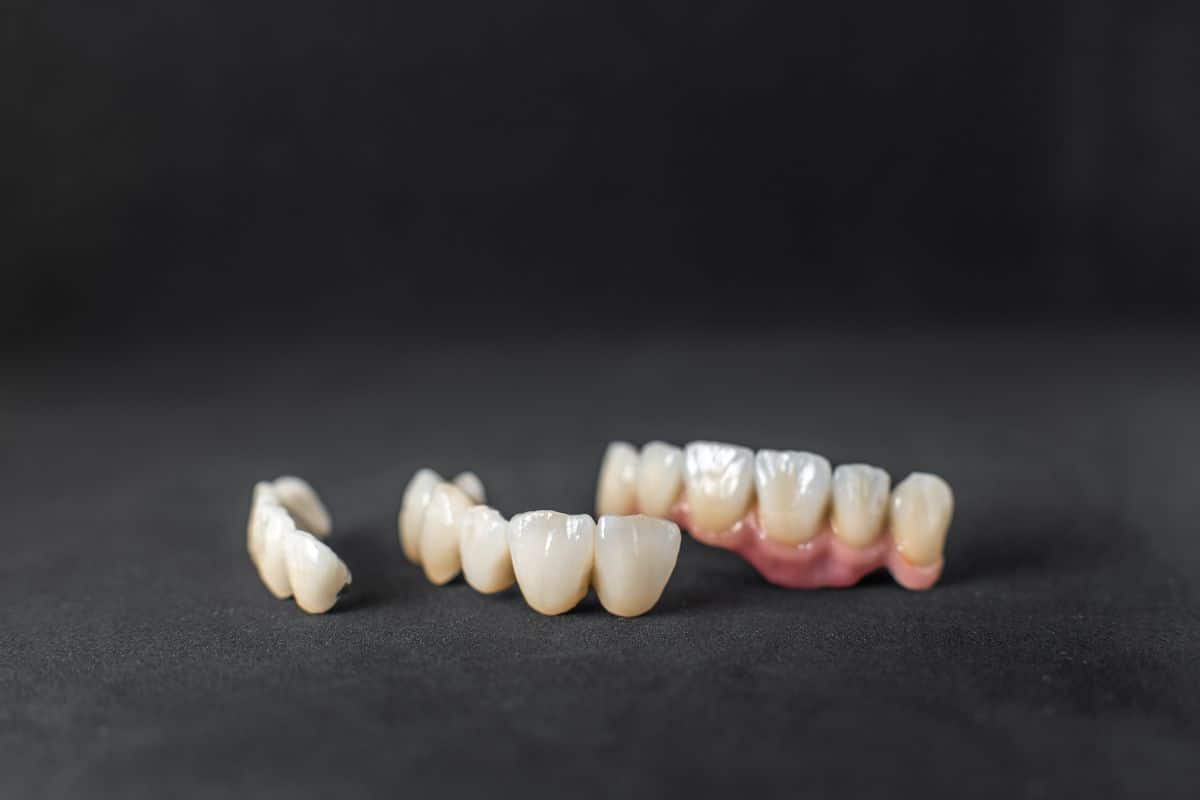
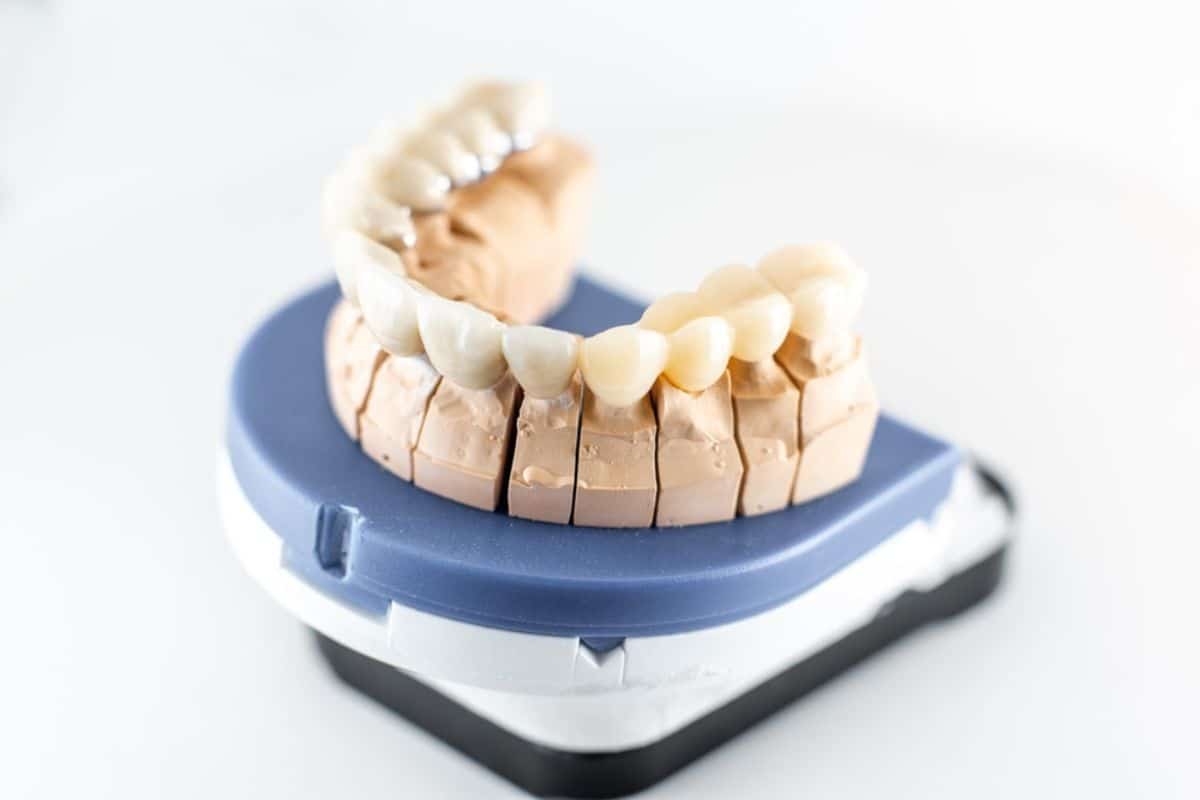
It is a custom‑made tooth‑shaped cap that fits over a weak, cracked, worn, or decayed tooth, sometimes placed following a root canal or over a dental implant. These oral appliances protect the tooth from further damage and restore its shape, function, and bite alignment. Dentists generally recommend this procedure when:
- A tooth is severely decayed or cracked
- A large filling leaves too little remaining tooth structure
- A root‑canal–treated tooth needs reinforcement
- A dental implant requires a prosthetic restoration
What is the Process for Getting a Capped Tooth?
The procedure includes several stages. They include:
Assessment & preparation
Your dentist will begin by examining the tooth using X-rays and reshaping it by removing enamel. If needed, a filling material will be added to support the tooth. This ensures you get dental crowns that fit snugly and restore function without disturbing your bite.
Impressions or Digital Scans
First, a detailed impression or scan of your tooth is taken. This helps your dental practitioner create a custom crown that fits your bite, surrounding teeth, and overall mouth shape for proper function and appearance.
Temporary Cap Placement
While waiting for the permanent crown, a temporary one is placed to protect the tooth. It restores basic function and appearance but requires proper care. Moreover, avoid hard or sticky foods, and floss gently to prevent dislodging them.
Final Placement
During your next visit, the dental practitioner will remove the temporary crown and place the permanent one. The fit, color, and bite will be checked and adjusted. Once confirmed, the cap will be cemented securely, restoring strength, comfort, and aesthetics.
What to Know Before Getting a Capped Tooth?
Before you proceed further with the procedure, here are the factors that you need to know:
Longevity Depends on Aftercare
Dental crowns are durable, but their lifespan depends on how well you care for them. Brushing twice daily, flossing, avoiding hard foods, and attending regular checkups can help your crown last 10–15 years or longer. Poor habits can lead to early wear, decay, or crown failure.
Possible sensitivity or discomfort:
Mild sensitivity to hot or cold is common after crown placement, especially in the first few days. This typically resolves on its own. However, if discomfort persists or worsens, it indicates a bite issue, loose fit, or underlying problem that requires prompt treatment from a dental practitioner.
Material Choice Matters
Dental caps are made of materials like porcelain, ceramic, metal, or a combination of metals. Each has its advantages and consequences. The best choice depends on the tooth’s location, budget, and cosmetic preferences. Always discuss options and expectations before finalizing your treatment.
Dental crowns restore damaged teeth by adding strength, protection, and a natural look. These caps are commonly used for cracked, decayed, or worn teeth. Understanding the process, from preparation to aftercare, ensures long-lasting results. Whether for function or appearance, these oral appliances are a reliable solution for many dental issues.
If you are looking for a reliable way to improve your dental imperfections, visit Powers Dental Group. Schedule a consultation to evaluate your options carefully, and ask about materials and technique. Or, call 719-597-9737 now to schedule directly.