
Kid-Friendly Dentistry in Colorado Springs, CO
Welcome to Powers Dental Group.
Dani E.
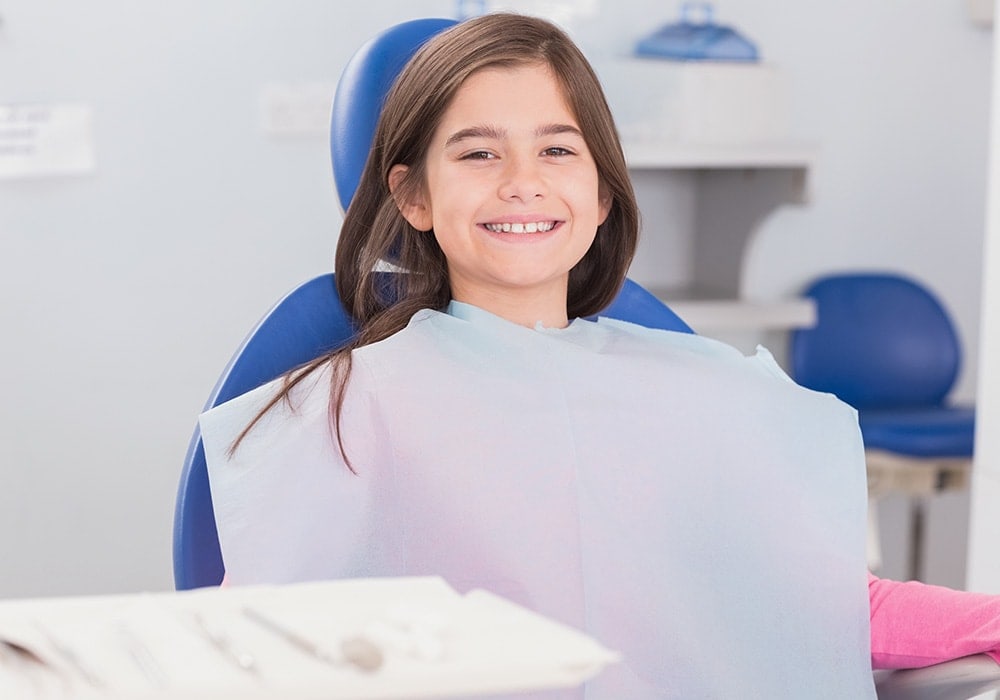
Kid-friendly dentistry is an approach to dental care designed to make dental visits more comfortable, fun, and less stressful for children. It involves creating a welcoming environment that helps children feel safe and relaxed during their visit to the dentist in Colorado Springs. Visiting Powers Dental Group can be an outstanding experience for you and your child as we specialize in safe and efficient dental services.
What is Our Approach to Kid-Friendly Dentistry?
Here are some strategies that we often implement in kid-friendly dentistry:
Playful Decor: Pediatric dental offices often feature colorful decor and fun themes appealing to children. This can help distract children from their anxiety about the dentist and create a positive atmosphere.
Gentle Approach: Our dentists and hygienists specializing in pediatric dentistry are trained to be gentle and patient with kids. They use kid-friendly language to explain procedures and try to make the experience as painless as possible.
Education and Prevention: Child-friendly dentistry emphasizes educating children about proper oral hygiene and preventive care. This includes teaching kids how to brush and floss properly and providing advice on healthy eating habits.
Distraction Techniques: Many pediatric dentists use distraction techniques to help children relax during procedures. We also include several methods, including providing toys, books, or games to play with during the appointment.
Positive Reinforcement: Kid-friendly dentistry often uses positive reinforcement techniques to encourage good behavior during the appointment. This can include rewarding children with stickers or other prizes for cooperating with the dentist.
Just like adults, children should receive two checkups and cleanings per year. We also recommend:
- Flouride treatments to strengthen teeth
- Tooth sealants to prevent potential decay and dental fillings
- Kid-friendly, pre-appointment discussions to help children know what to expect.
Education on the importance of routine dental care to keep their teeth and gums healthy far into adulthood.
When is the Right Age to Consider Kid-Friendly Dentistry?
It is recommended that children should start visiting a dentist as soon as their first tooth erupts, which is usually around six months to one year of age. This allows our team to monitor the child’s oral health and guide parents on proper oral hygiene practices for infants and toddlers. Regular visits to our kid-friendly dentist in Colorado Springs can help children establish a positive relationship with dentistry and reduce anxiety or fear about dental appointments. It’s important to note that children’s dental needs may vary based on age, so it’s essential to consult a pediatric dentist in Colorado Springs at our office to determine the best approach for your child’s needs.
Ensure Safe and Pleasant Dental Care for Kids at Our Office
Frequently Asked Questions
What is kid‑friendly dentistry and why is it important?
Kid‑friendly dentistry focuses on creating a comfortable, supportive, and positive dental experience for children. It involves gentle communication, age‑appropriate explanations, and a welcoming environment that helps young patients feel at ease. Early dental care establishes healthy habits, prevents cavities, and allows dentists to monitor growth and development. Positive experiences in childhood increase the likelihood of lifelong commitment to oral health. By addressing fears early and using strategies tailored to children, kid‑friendly dentistry reduces anxiety and builds trust between young patients and the dental team.
When should a child first visit the dentist?
Most dental professionals recommend that a child’s first dental visit occur by their first birthday or within six months of the first tooth erupting. This early visit allows the dentist to check for signs of decay, evaluate oral development, and provide guidance on home care. Early checkups help set the tone for future dental care and allow parents to ask questions about teething, pacifier use, diet, or brushing techniques. Routine visits from infancy support early prevention and help children become familiar with the dental environment.
How do dentists make dental visits comfortable for children?
Dentists use several strategies to make visits comfortable for children, including friendly communication, positive reinforcement, and playful education. Many practices create child‑centric treatment rooms with decorations and distractions like videos or games. The dental team may explain tools and procedures in simple, non‑threatening terms and allow children to explore at their pace. For anxious children, the dentist may use gentle approaches and breaks to ensure comfort. The goal is to make each visit feel safe and encouraging so children associate dental care with positive experiences.
What services are included in kid‑friendly dentistry?
Kid‑friendly dentistry includes routine exams, professional cleanings, cavity detection and treatment, dental sealants, fluoride applications, and education on effective brushing and flossing. It also involves growth and bite assessments to monitor jaw development and identify early orthodontic needs. If early signs of decay are present, treatment options like fillings are discussed in a gentle, child‑appropriate way. Emergency care for dental injuries and teething concerns may also be provided. Overall, the focus is on prevention and age‑appropriate care that supports lifelong oral health habits.
How can I prepare my child for a dental visit?
Preparing for a dental visit starts with positive language and setting expectations. Parents can talk about the dentist in an encouraging way and describe what will happen in simple, reassuring terms. Reading children’s books about dental visits or watching videos with friendly dental characters can help normalize the experience. Avoid using words like “pain” or “hurt,” and instead emphasize learning about clean, healthy teeth. Bringing a favorite toy or comfort item and scheduling appointments when your child is well‑rested can also help make the visit smoother.
What if my child is scared of the dentist?
It’s common for children to feel anxious about dental visits, but there are many ways to support them. Gentle explanations, distraction tools like videos or music, and a calm, patient approach from the dental team can ease nerves. Some practices offer kid‑centric spaces or allow children to take breaks during treatment. For more intense anxiety, sedation or relaxation options may be discussed. Open communication between you and the dentist about your child’s fears ensures a tailored approach that helps build confidence and reduce stress over time.
How do dental sealants help protect children’s teeth?
Dental sealants are thin, protective coatings applied to the chewing surfaces of back teeth where grooves and pits can trap food and bacteria. Because these areas are prone to cavities and hard for children to clean thoroughly, sealants act like shields, preventing decay from forming. Applying sealants is quick, painless, and often recommended soon after molars erupt. When combined with fluoride treatments and daily brushing, sealants significantly reduce the risk of cavities and support lasting oral health in children.
When should children start using toothpaste and floss?
Children can start using a tiny smear of fluoride toothpaste as soon as the first tooth appears, with parents helping to brush until children are around six to eight years old and can manage on their own. Flossing should begin once your child’s teeth begin to touch. Early guidance on brushing and flossing encourages good habits that protect against decay. Choosing age‑appropriate toothbrushes and establishing consistent routines helps children feel confident as they take ownership of their oral hygiene.
Will insurance cover kid‑friendly dental visits?
Many dental insurance plans cover preventive services like exams, cleanings, X‑rays, and fluoride treatments for children, often at little or no cost to parents. Coverage depends on your specific policy, deductibles, and annual maximums. Some plans may also help with restorative care if a cavity is detected. It’s helpful to verify benefits before the visit so you understand what’s covered. Dental offices typically assist with insurance questions and can provide an estimate of out‑of‑pocket costs if treatments beyond preventive care are recommended.
Why is early dental care crucial for lifelong oral health?
Early dental care helps prevent cavities, identifies bite or developmental concerns, and establishes a foundation for good oral hygiene habits. When children grow up with regular dental visits and positive experiences, they are more likely to continue caring for their smiles into adolescence and adulthood. Early prevention reduces the need for extensive treatments later and helps protect overall health. Early exams also allow dentists to monitor growth, guide teething changes, and educate families on nutrition and habits that support strong teeth and gums.