

Losing a tooth can be more than just a cosmetic concern; it can significantly impact your daily life and overall health. From difficulties in chewing to potential bone loss in the jaw, the absence of even a single tooth can lead to a cascade of issues. Fortunately, dental implants offer a reliable and effective solution to restore function and aesthetics.
Understanding the Impact of Missing Teeth
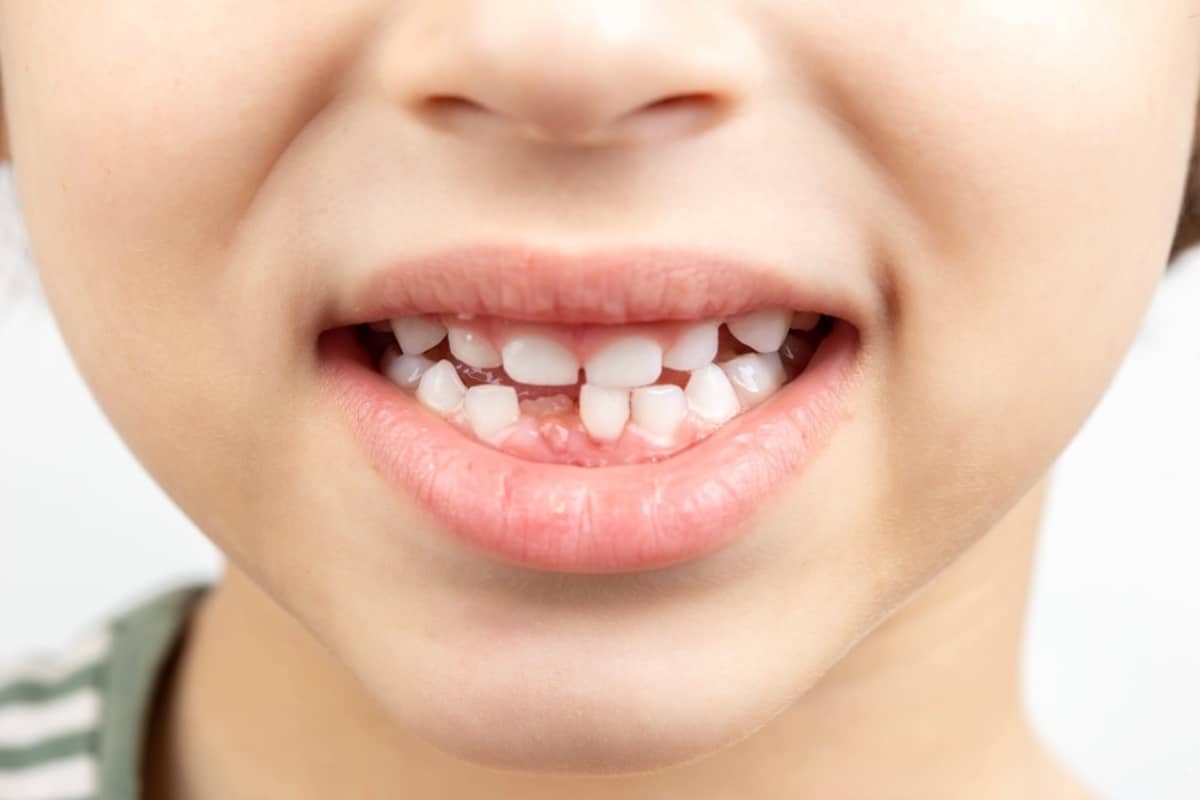
When a tooth is lost, several problems can arise:
- Difficulty Eating: Chewing becomes challenging, leading to dietary restrictions and potential nutritional deficiencies.
- Speech Issues: Missing teeth can affect pronunciation, causing speech impediments.
- Bone Deterioration: The jawbone may deteriorate without the stimulation provided by a tooth root, leading to facial structure changes.
- Shifting Teeth: Adjacent teeth may move into the gap, causing misalignment and bite problems.
What Are Dental Implants?
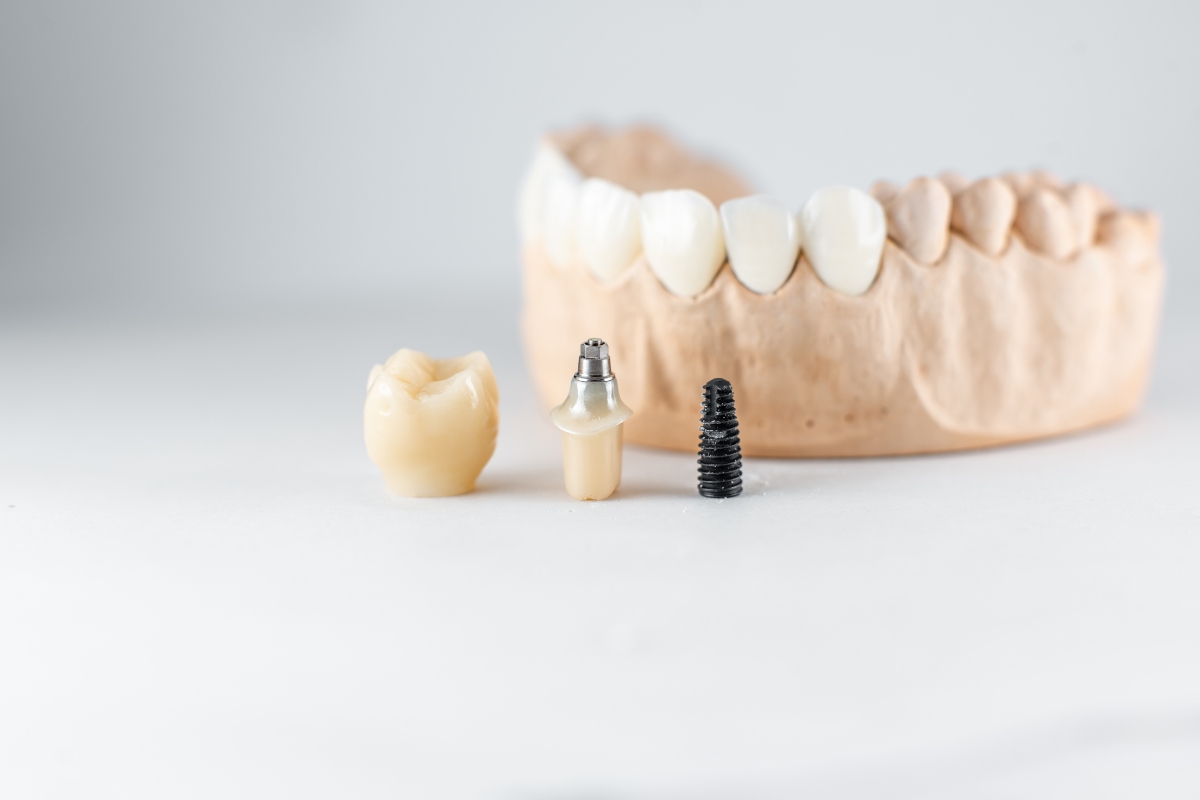
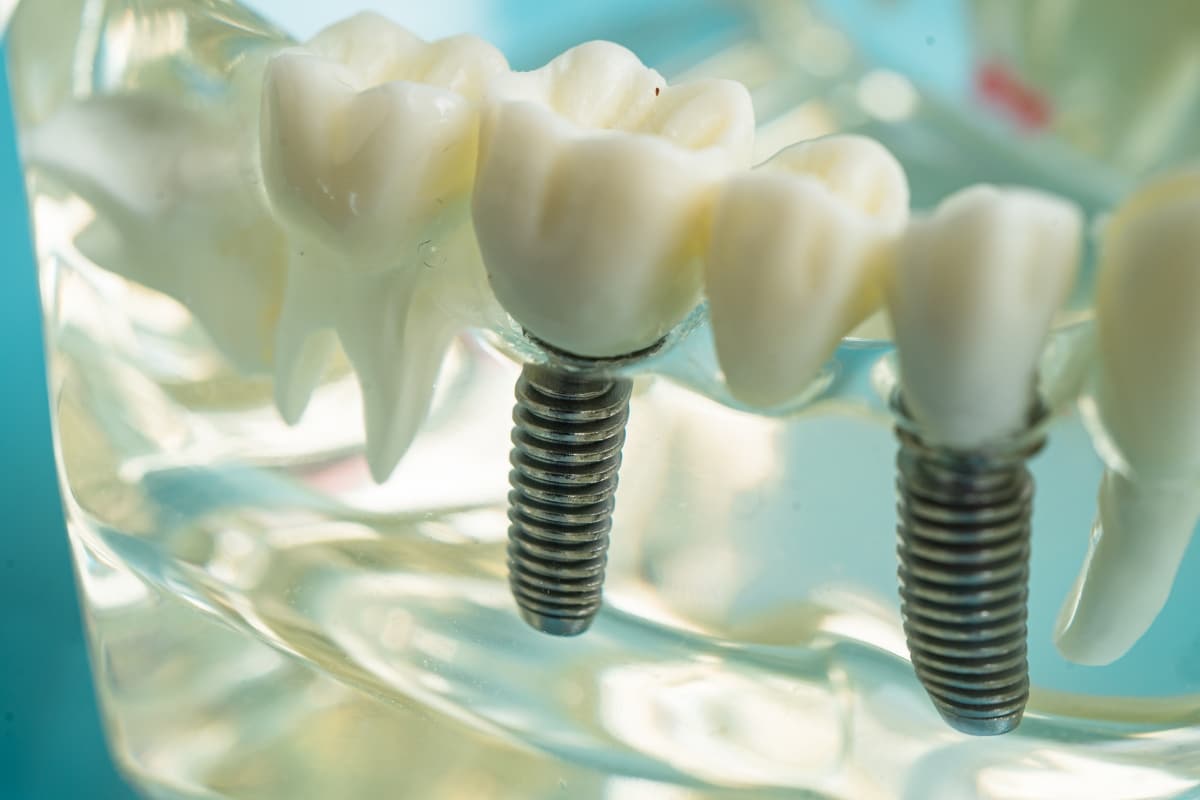
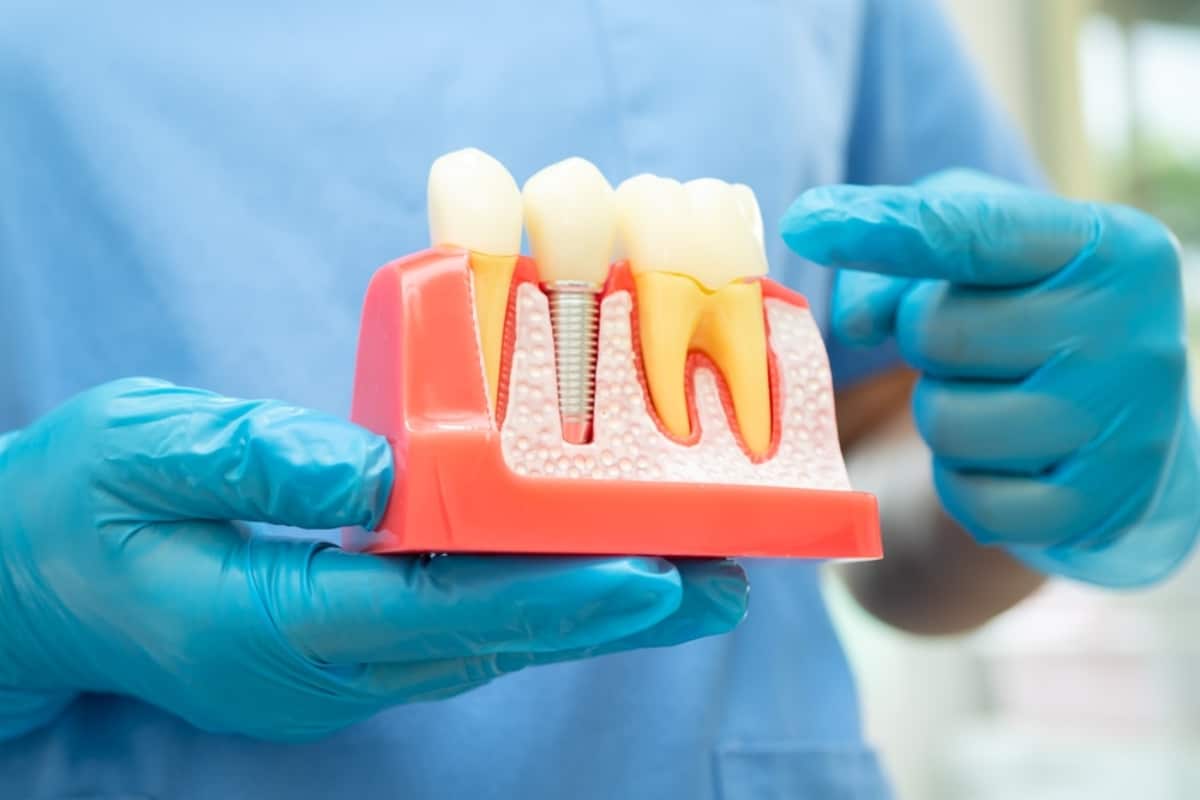
Dental implants are artificial tooth roots, typically made of titanium, surgically placed into the jawbone. They provide a sturdy foundation for fixed or removable replacement teeth designed to match your natural teeth.
Benefits of Dental Implants
Opting for dental implants offers numerous advantages:
- Restored Functionality: They function like natural teeth, allowing you to eat and speak comfortably.
- Durability: With proper care, implants can last many years, often a lifetime.
- Bone Preservation: Implants stimulate the jawbone, preventing bone loss and maintaining facial structure.
- Improved Oral Health: Unlike bridges, implants don’t require altering adjacent teeth, preserving overall health.
The Dental Implant Procedure
The process typically involves several steps:
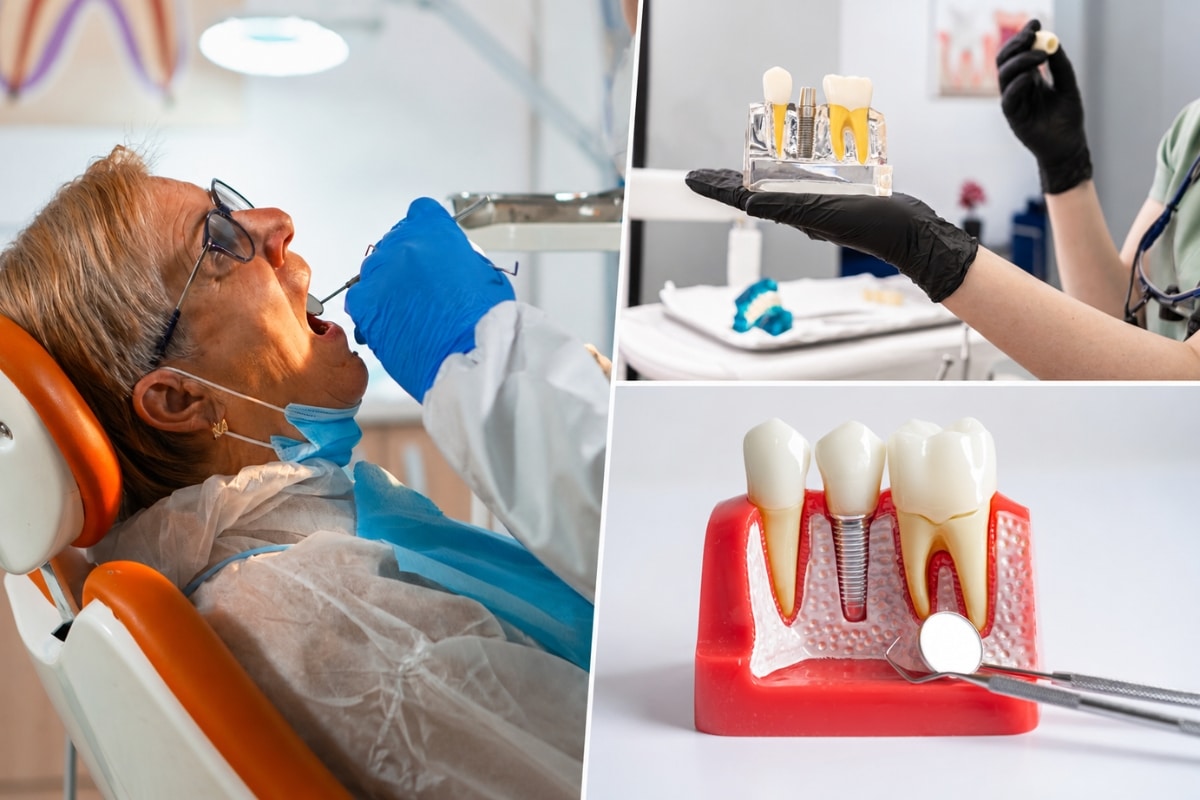
- Initial Consultation: A thorough examination, including X-rays, will be performed to assess jawbone health and plan the treatment.
- Implant Placement: The implant is surgically inserted into the jawbone under local anesthesia.
- Osseointegration: The implant fuses with the bone over a few months, creating a solid base.
- Abutment Placement: A connector (abutment) is placed on the implant to hold the new tooth.
- Crown Attachment: A custom-made crown is attached to the abutment, completing the restoration.
Are You a Candidate for Dental Implants?
Ideal candidates have good general and oral health, adequate jawbone density, and healthy gums. However, advancements in dental technology have made implants a viable option for many individuals. The key steps in dental implant treatment include an initial consultation and evaluation, where your dentist assesses your oral health and bone structure. This is followed by a treatment plan outlining the necessary procedures. The next step is implant placement, where a titanium post is surgically inserted into the jawbone. After a healing period for osseointegration, an abutment is attached to support the final restoration. Finally, a custom-made dental crown is placed, completing the process. A consultation with a dental professional can determine the best course of action for your situation.
Dental implants offer a comprehensive solution for missing teeth, restoring function and aesthetics. If you’re experiencing tooth loss, consult a qualified dental office to learn how implants can improve your quality of life. A confident smile and improved oral health could be just an appointment away.