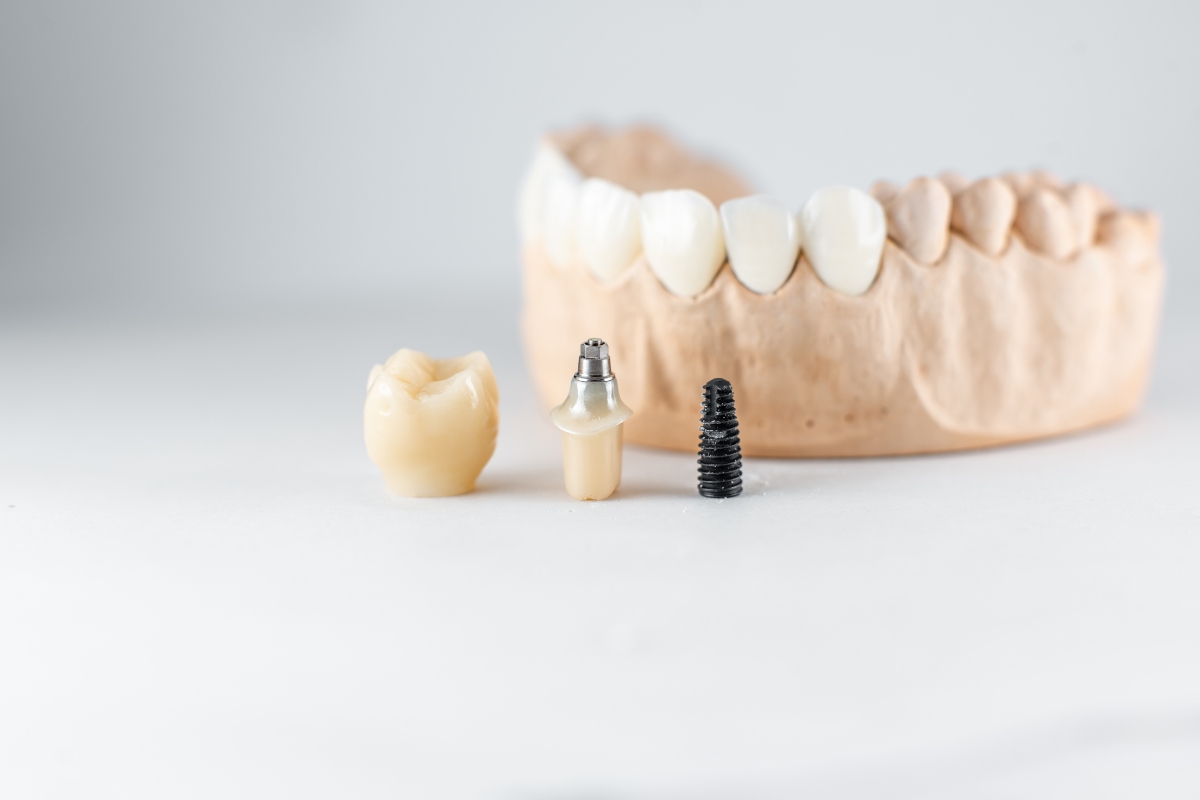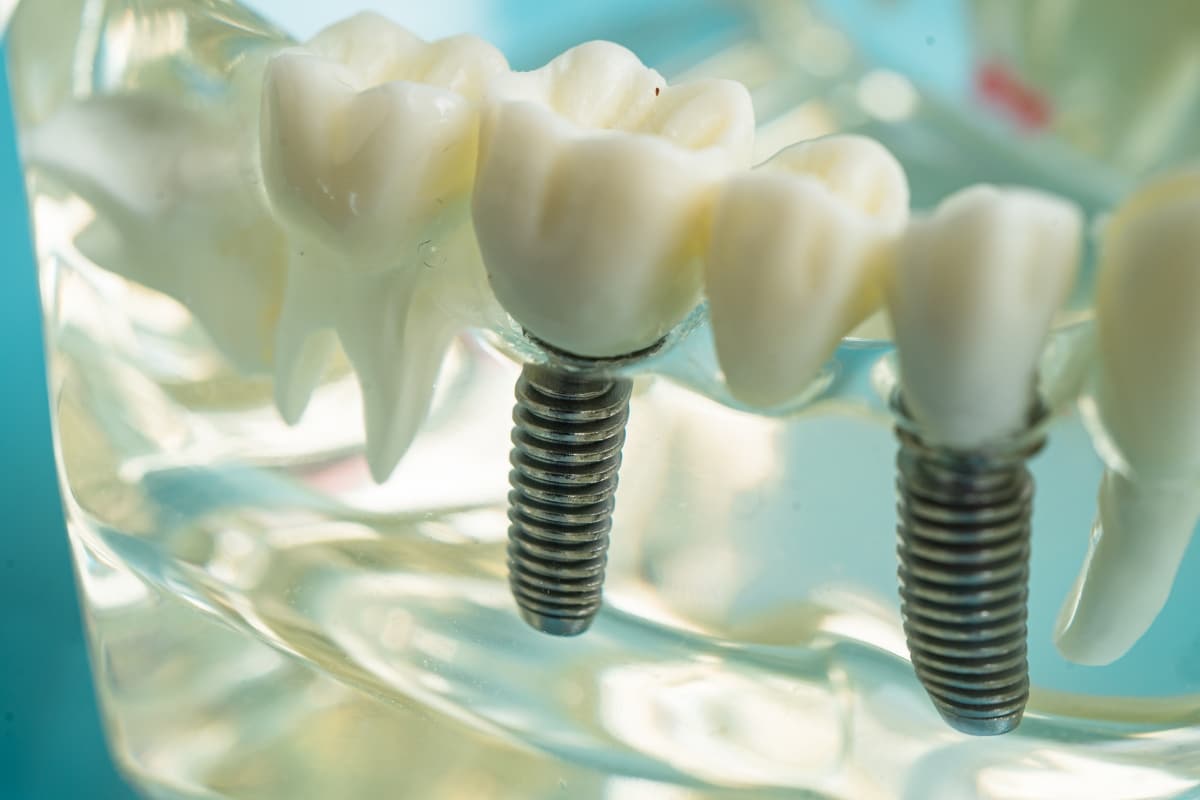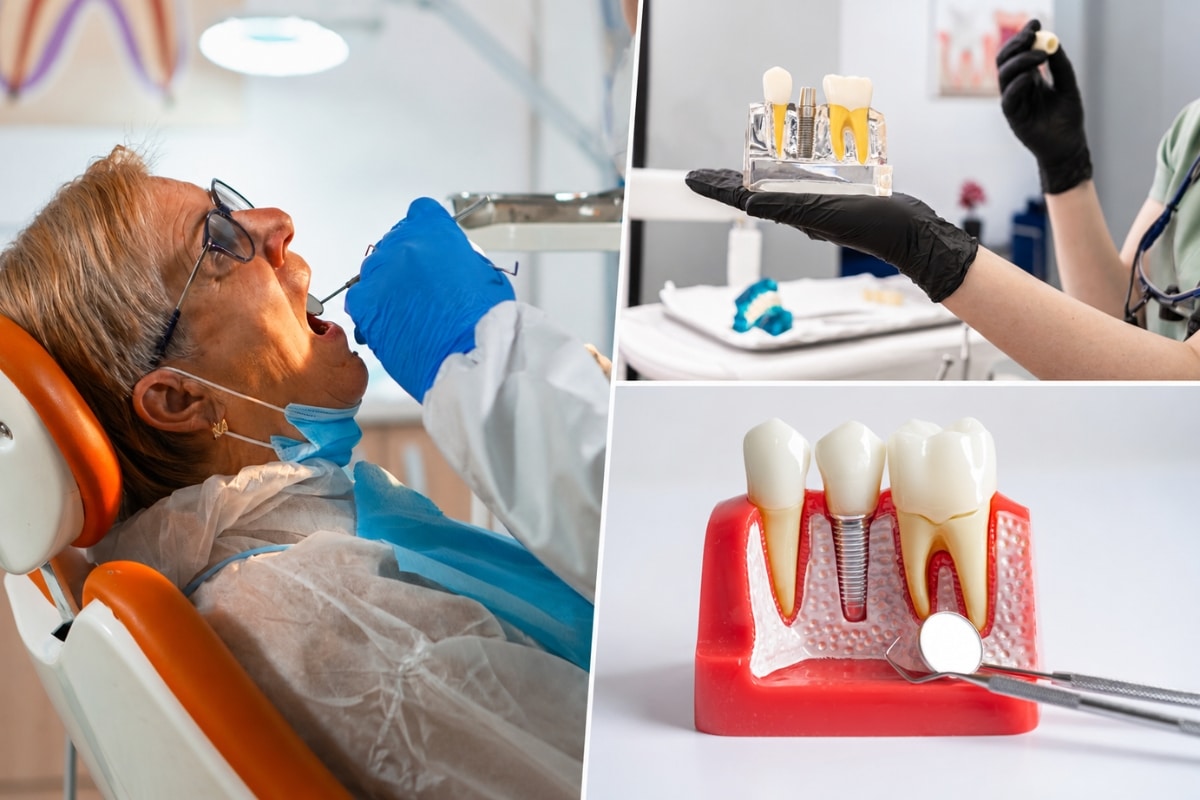



Dental implants are a long-lasting solution for missing teeth. However, not all implants succeed. If you’re considering dental implants, it’s essential to understand the risks. While most implants have a high success rate, certain factors can lead to failure. Knowing these risks can help you take the proper precautions.
1. Poor Osseointegration
Osseointegration is the process where the implant fuses with the jawbone. If this fails, the implant won’t stay secure. Low bone density, smoking, and poor oral hygiene can prevent proper fusion. Patients should follow post-surgery care instructions to ensure successful osseointegration.
2. Infection at the Implant Site
Infections can occur if bacteria enter the surgical site. Peri-implantitis is a common infection that causes inflammation and bone loss. Poor oral hygiene, pre-existing gum disease, or improper aftercare can increase infection risk. Regular dental visits and good oral hygiene can prevent complications.
3. Insufficient Bone Density
For dental implants in Colorado Springs to succeed, patients need strong jawbone support. The implant may not integrate well if the bone is too thin or weak. Bone grafting can be a solution for patients with low bone density. A dentist will evaluate bone health before proceeding with treatment.
4. Smoking and Tobacco Use
Smoking reduces blood flow to the gums, slowing down the healing process. It also increases the risk of infection and implant rejection. Studies show that smokers have a higher failure rate for dental implants. Quitting smoking before and after surgery can improve implant success.
5. Medical Conditions
Certain medical conditions can interfere with implant healing. Diabetes, osteoporosis, and autoimmune diseases may slow recovery and increase failure risk. Medications that affect bone healing, such as bisphosphonates, can also impact implant success. Patients should inform their dentist about their medical history before undergoing implant surgery.
6. Excessive Force or Teeth Grinding
Bruxism (teeth grinding) puts excessive pressure on implants, leading to loosening or fractures. If you grind your teeth, your dentist may recommend a night guard. Avoiding hard foods and practicing good bite habits can also protect your implants.
Final Thoughts
Understanding these factors can help you take steps to prevent implant failure. If you’re considering dental implants in Colorado Springs, choose an experienced dentist and follow proper aftercare. With the right approach, you can enjoy a healthy, long-lasting smile. Don’t hesitate to contact a local dental practice. You can restore and maintain your oral health with proper care and treatment.