

Veneers have a way of quietly doing their job for years—until one day you notice something’s off. Maybe it’s a slight discoloration, a chip you don’t remember getting, or just a feeling that your smile doesn’t look quite as fresh as it used to. If you’ve had veneers for a decade or more, it might be time to take a closer look.
Veneers aren’t meant to last forever. While they’re built to be durable, normal wear, lifestyle habits, and even changes in your gums or bite can affect how they look and function over time. The good news? Cosmetic dentistry has come a long way, and today’s veneers in Colorado Springs are stronger, more natural-looking, and longer-lasting than what was available even ten years ago.
Let’s walk through the signs that your veneers might need replacing, and what modern upgrades can offer.
Signs Your Veneers May Need Replacing
1. Discoloration or Staining
One of the most noticeable signs is a color mismatch. Older porcelain veneers can develop stains around the edges or take on a yellowish tint, especially if you’re a regular coffee, tea, or red wine drinker. Unlike natural teeth, veneers can’t be whitened with traditional whitening treatments, so once they start to discolor, replacement is usually the only fix.
2. Chips, Cracks, or Rough Edges
Even small chips can catch on your tongue or look unsightly when you smile. If you’ve noticed rough spots or visible cracks, especially after years of regular wear, your veneers may have reached the end of their functional life.
3. Gum Recession Around the Veneer
Over time, gums can naturally recede a bit, which can expose the edge of the veneer or even a small gap between the tooth and the restoration. This not only looks different but can also leave the area more vulnerable to decay.
4. Veneers Feel Loose or Have Shifted
If a veneer feels like it’s moving slightly or doesn’t sit the way it used to, the bonding may be wearing down. This is something that should be checked sooner rather than later to avoid further damage to the tooth underneath.
5. Your Smile Just Doesn’t Match Anymore
Sometimes it’s less about damage and more about aesthetics. If you’ve had other dental work done, or your natural teeth have shifted or changed color, your older veneers might look out of place compared to the rest of your smile.
How Veneers Have Improved Over the Years
If your veneers were placed many years ago, you might be surprised at how far the technology has come.
Thinner, More Natural-Looking Materials
Older veneers often required more enamel removal to fit properly. Many of today’s options are thinner yet stronger, meaning a more conservative approach to your natural tooth structure while still achieving a beautiful result.
Better Color Matching and Light Reflection
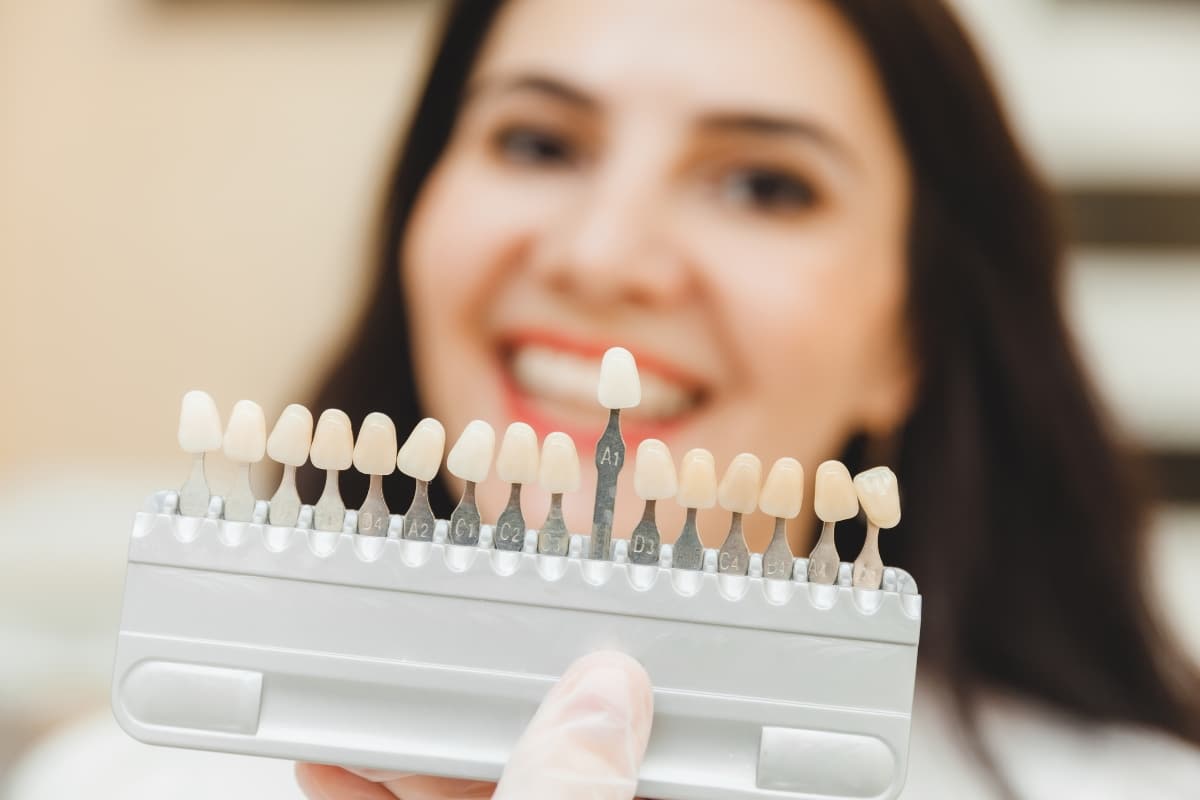
Newer ceramic and porcelain materials are designed to mimic the translucency of natural enamel more closely. This means your smile looks less “done” and more like it’s simply your own teeth, just healthier and brighter.
Improved Durability
Advances in dental ceramics have made modern veneers more resistant to chipping and staining, which can mean a longer lifespan with proper care.
More Precise Fit
Digital imaging and improved bonding techniques allow for a more precise fit, which can mean less sensitivity and a more comfortable feel overall.
What to Expect If You’re Considering Replacement
Replacing veneers isn’t usually a quick or one-size-fits-all process. It typically starts with an evaluation of your current veneers, your bite, and the health of the teeth and gums underneath. From there, your dentist can talk through whether replacement makes sense now or if it’s something to monitor over time.
For those exploring cosmetic dental treatments in Colorado Springs, it can help to have a conversation with a local dental team who can look at your smile in person and walk you through realistic options based on your goals, budget, and timeline.
A Few Things to Keep in Mind
- Veneers generally last anywhere from 10 to 20 years, depending on the material and how well they’re cared for.
- Good oral hygiene, regular checkups, and avoiding habits like teeth grinding or biting on hard objects can extend their lifespan.
- Not every issue means full replacement—sometimes minor repairs or polishing can address small concerns.
If you live in the area and have been putting off a checkup, it might be worth scheduling a visit with a dentist familiar with veneers in Colorado Springs to get a professional opinion on where your smile currently stands.
If you’ve been noticing changes in your veneers, whether it’s color, shape, or just a general feeling that something’s not quite right, it doesn’t hurt to get it checked out. Sometimes a small adjustment is all that’s needed, and other times, an upgrade can make a noticeable difference in how your smile looks and feels day to day.
If you’re in the Colorado Springs area and want to talk through your options, the team at Powers Dental Group can take a look at your current veneers and help you figure out the best next step for your smile.
Frequently Asked Questions
How long do veneers typically last before needing replacement?
Most veneers last between 10 and 20 years, though this varies based on the material used, your oral hygiene habits, and everyday wear like grinding or clenching.
Can veneers be whitened if they start to look dull?
No, veneers don’t respond to whitening treatments the way natural teeth do. If discoloration is the main concern, replacement is usually the recommended option.
Is it painful to have old veneers replaced?
Most patients report minimal discomfort. The process is similar to the original placement, and your dentist can walk you through what to expect based on your specific situation.
How do I know if I need a full replacement or just a repair?
This really depends on the extent of the damage. A dental exam can help determine whether a small chip can be polished or bonded, or if the veneer needs to be replaced entirely.
Are newer veneers noticeably different from older ones?
Many people notice a difference in how natural newer veneers look, thanks to improvements in materials that better mimic the way light interacts with real enamel.
What’s the best way to care for veneers to make them last longer?
Brushing and flossing daily, avoiding excessive force on your teeth (like chewing ice or opening packages), and keeping up with regular dental visits all go a long way.