


Everyone’s teeth are prone to cavities, and many things can cause them, but with the right knowledge of how to reduce the risk of cavities, you may be able to avoid them. Fortunately, with the right dental care regimen you can help reduce your risk and protect your teeth.
Brush Smarter, Not Harder
Brushing twice a day is essential—but how you brush matters just as much as how often.
-
Use a soft-bristled toothbrush and gentle, circular motions.
-
Brush for two full minutes each time.
-
Switch your brush (or brush head) every 3–4 months.
-
If possible, use an electric toothbrush—it removes plaque more effectively than manual brushing.
Don’t Skip the Floss
Toothbrushes can’t reach between teeth—that’s where flossing comes in.
-
Floss once daily to remove plaque and food particles.
-
Try water flossers if traditional floss feels tricky.
-
Focus on gently curving the floss around each tooth (not snapping).
Take Good Care of Your Teeth and Gums
If you’re looking for how to reduce the risk of cavities, it can be as simple as brushing 2-3 times a day and flossing. Brushing and flossing regularly, along with the use of mouthwash if needed or preferred, can help to keep your teeth clean from debris like food particles and plaque, which can limit the chance of tooth decay leading to cavities.
Avoid sugary foods and beverages
Sugary foods and beverages can be a contributing factor to the formation of cavities. Sugar interacts with the saliva in your mouth to become acidic which can then eat away at the surface of your teeth and eventually form the tiny holes or cavities in the enamel.
Opting for fresh fruits and veggies for a sweet snack instead of candy or choosing sugar-free options for soda and other drinks may be a helpful option. Drinking water can also help to wash away any food particles and help prevent sugars from sticking as well to the surface of your teeth. Making smart choices about what you eat and drink is just one easy way to reduce the risk of cavities in your daily routine.
Get Regular Cleanings
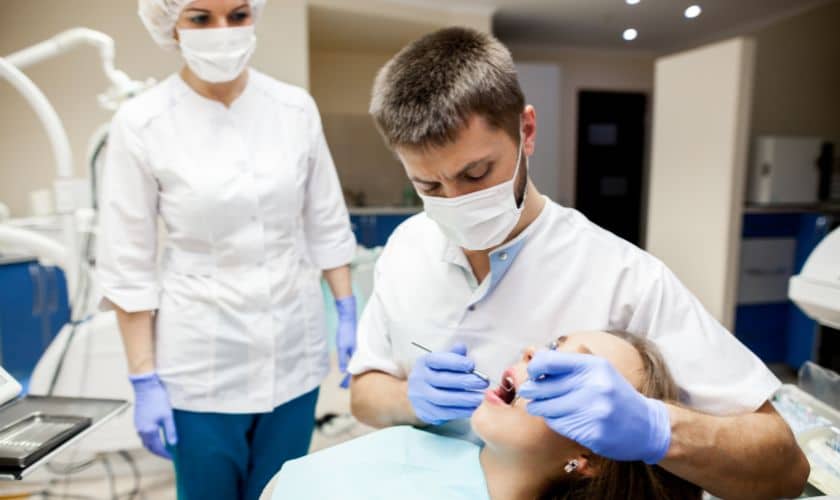
It is important to take good care of your teeth and gums at home, but it’s also important to enlist the help of a dental professional to complement your home care routine. The special tools and trained eye of a dentist can help to spot areas that are hard to reach with a toothbrush and floss where plaque and minerals can build up and harden into tartar, which can then lead to tooth decay and cavities. Routine Dental Care helps catch these trouble areas early before they become a problem.
Your dentist may also be able to help you learn how to reduce the risk of cavities by demonstrating how to better reach these difficult areas at home.
See Your Dentist Regularly
Even with perfect hygiene, you still need professional checkups.
-
Schedule visits every 6 months for cleanings and exams.
-
Ask about dental sealants—a protective coating for back teeth that blocks decay in grooves and pits.
-
Your dentist can also spot early signs of cavities before they become painful.
Keep it up
It may seem like there should be a cure-all answer for how to reduce the risk of cavities, but in many cases, the answer might be to keep doing what you’re already doing. Brushing, flossing, making healthy food and beverage choices, and regular visits to your dentist in Colorado Springs consistently over time can take diligence and determination but can also add up to a healthy, strong, and bright smile.