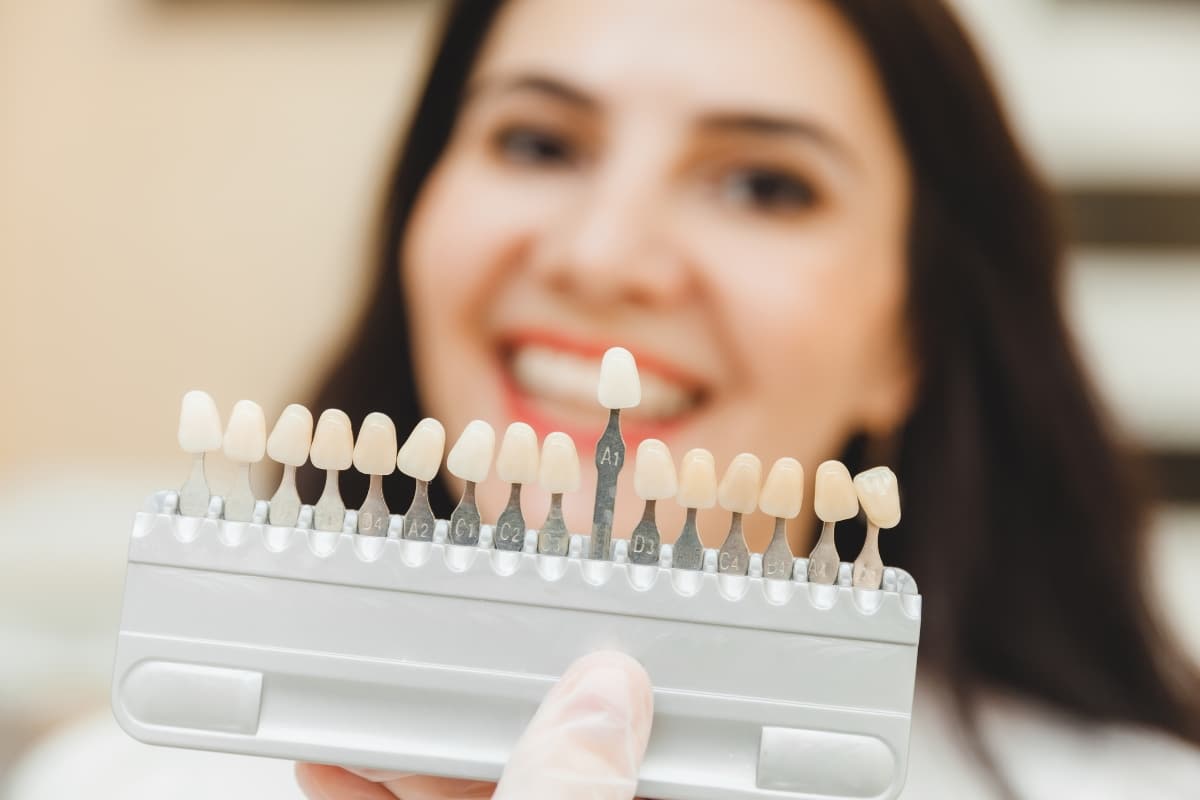

A bright, white smile is a confidence booster. It can make you look and feel your best. No wonder teeth whitening kits are so popular! But with so many options available, a big question arises: how safe are teeth whitening kits? This blog dives deep into the safety of teeth whitening kits, exploring their potential benefits and drawbacks. We’ll also discuss when it’s best to consult a cosmetic dentist for a whiter smile.
Explain Teeth Whitening Kits
Teeth whitening kits are at-home treatments that aim to lighten the appearance of teeth. They typically contain a bleaching agent, most commonly hydrogen peroxide or carbamide peroxide, which breaks down stains on the tooth enamel. These kits come in various forms, including:
Whitening strips: Thin adhesive strips coated with the bleaching agent that adhere to your teeth.
Whitening trays: Custom-fitted or moldable trays that hold whitening gel and fit over your teeth.
Whitening toothpaste: Toothpaste with a mild abrasive and sometimes a low concentration of peroxide for gradual whitening.
Whitening pens: Pen-like applicators with a bleaching gel tip for targeted whitening.
The Safety of Teeth Whitening Kits
The good news is that teeth whitening kits can be safe and effective for many people when used as directed. The American Dental Association (ADA) recognizes several whitening products as safe and effective, signified by their seal of approval.
However, there are some potential downsides to consider:
1. Tooth sensitivity: The most common side effect is temporary tooth sensitivity, especially during the first few days of use. This discomfort usually subsides after stopping treatment.
2. Gum irritation: Whitening products can irritate the gums if they come into contact with them. Using a custom-fitted tray from a cosmetic dentist in Colorado Springs can help minimize this risk.
3. Uneven whitening: If not applied correctly, the whitening agent might whiten some areas of your teeth more than others, leading to an uneven appearance.
4. Limited effectiveness: Teeth whitening kits might not be effective for everyone, especially for deep stains or certain types of discoloration.
When to Consult a Cosmetic Dentist for Teeth Whitening
For a safe and optimal whitening experience, consider consulting a cosmetic dentist in the following situations:
Pre-existing dental conditions: If you have cavities, gum disease, sensitive teeth, or worn enamel, a dentist can assess your suitability for whitening and recommend the safest approach.
Severe discoloration: For deep stains caused by medications, tetracycline use during childhood, or extensive consumption of staining foods and drinks, professional whitening treatments might be more effective.
Uneven enamel: If your teeth have uneven enamel surfaces, a dentist can create custom whitening trays for a more even whitening effect.
Long-lasting results: Professional whitening treatments typically offer longer-lasting results compared to over-the-counter kits.
Tips for Safe and Effective Teeth Whitening at Home
If you decide to use a teeth whitening kit at home, here are some essential tips to ensure safety and effectiveness:
1. Look for the ADA seal: Choose a product that carries the ADA seal of approval, signifying its safety and efficacy.
2. Read the instructions carefully: Follow the manufacturer’s instructions for application time and frequency. Don’t overuse the product.
3. Start slow: If you experience any sensitivity, take a break from the treatment and resume gradually.
4. Maintain good oral hygiene: Brushing and flossing regularly before and after whitening helps remove surface stains and promotes overall oral health.
5. See your dentist regularly: Schedule regular dental checkups to ensure your teeth and gums are healthy enough for whitening and to monitor your progress.
Teeth whitening kits can be a safe and effective way to achieve a brighter smile. However, it’s crucial to choose reputable products, use them correctly, and be aware of potential side effects. Consulting a cosmetic dentist before starting any whitening treatment ensures the process is safe and delivers the desired results for your unique situation. Remember, a healthy and confident smile always starts with good oral hygiene practices!