


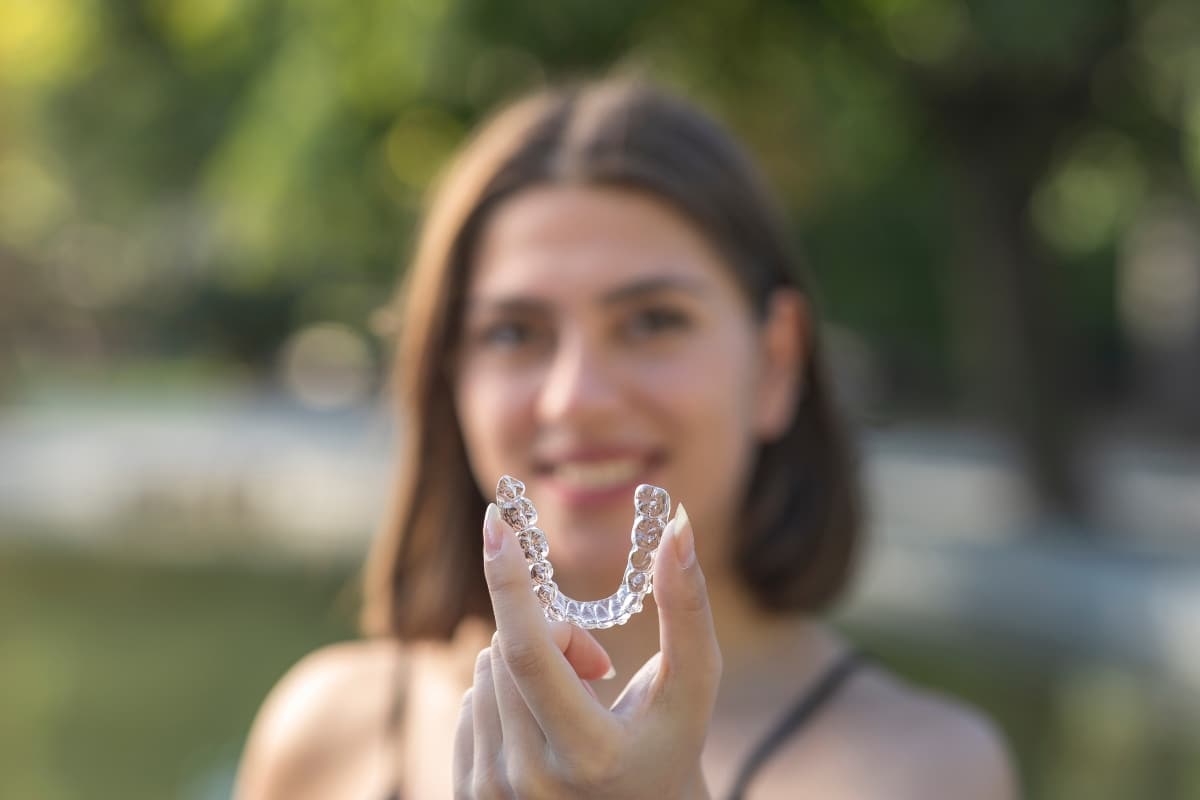
Finishing treatment with Invisalign in Colorado Springs is an exciting milestone. The final aligner comes out, your teeth look straight, and you finally get to enjoy the smile you worked toward for months. Then your dentist hands you a retainer, and a fair question comes up. How long do you actually need to wear it? For most people, the honest answer is that a retainer becomes a long-term habit, although the schedule gets much lighter after the first several months. This guide walks through what to expect so your new smile stays right where it belongs.
Why Your Teeth Want to Drift Back
Aligners move teeth into better positions, but the bone and gum tissue around them need time to catch up. Tiny fibers in your gums hold each tooth in place, and those fibers remember the old position. Right after treatment, they tend to pull teeth back toward where they started. Dentists call this orthodontic relapse. A retainer holds everything steady while your bone and gums settle around the new alignment. Skip that step, and even small shifts can add up quickly.
Many patients who finish Invisalign in Colorado Springs are surprised to learn that teeth keep moving for life, not only during the teen years. Normal aging, nighttime grinding, tongue pressure, and even a missing back tooth can slowly nudge a smile out of place. A retainer is simple insurance against all of that, and it costs far less than a second round of treatment.
The Typical Retainer Timeline
Every mouth is different, so your dentist will build a plan around your bite, your age, and the kind of movement your teeth needed. Still, most patients follow a pattern like the one below.
The First Three to Six Months
Right after your last aligner, plan on wearing your retainer about 20 to 22 hours a day. Take it out only to eat, drink anything other than water, brush, and floss. This is the most important window because your teeth are the most likely to shift while the surrounding bone is still firming up. Wearing it full time during this stage protects every bit of the progress you earned.
Six Months to One Year
Once your dentist confirms that your teeth are holding steady, you will usually move to nighttime wear only. That means putting your retainer in before bed and wearing it while you sleep, ideally eight hours or more. Many people find this stage easy because the retainer becomes part of the bedtime routine, right next to brushing.
One Year and Beyond
After the first year, many patients can reduce wear to a few nights each week, and some dentists suggest nightly wear for several years. The goal is lifelong maintenance. If your teeth feel snug when you put your retainer in after a skipped night, that is your sign to go back to wearing it more often.
Which Type of Retainer Is Right for You?
Removable clear retainers look similar to your aligners, fit snugly over your teeth, and are the most common choice after Invisalign. They are easy to clean and nearly invisible. Hawley retainers use a thin metal wire with an acrylic plate and tend to last a long time. Fixed retainers are thin wires bonded behind the front teeth, so they work around the clock without any effort from you. Fixed options still require careful brushing and flossing, and some patients combine a fixed retainer with a removable one. Your dentist will recommend the best fit based on your case.
Not sure which option fits your smile? Call us at (719) 597-9737 and our team will help you choose.
How to Care for Your Retainer
A clean retainer lasts longer and keeps your mouth healthier. Rinse it each time you take it out, and brush it gently with a soft toothbrush and cool water. Never use hot water, because heat can warp the plastic. Always keep it in its case when it is not in your mouth. Many retainers end up in the trash because they were wrapped in a napkin at lunch, so build the case habit early. Keep it away from curious pets too, since dogs love to chew them.
Signs Your Retainer Needs Attention
Call your dental office if your retainer feels tight, looks cracked, or smells bad even after cleaning. A retainer that no longer fits is a signal that your teeth have shifted or that the appliance has changed shape. Do not force it into place, since that can hurt your teeth and make things worse. A quick visit allows your dentist to check your alignment and decide whether a replacement or a small adjustment is needed. This article is for general education and does not replace personal advice from your dentist.
Why Local Care in Colorado Springs Matters
Retainer follow-up is just as important as the aligner stage, and it works best with a team that knows your history. At Powers Dental Group, our dentists review your progress during regular checkups, look for early signs of movement, and adjust your retainer plan as your needs change. Our office on North Carefree Circle offers evening and Saturday appointments, which makes it easier for busy adults, students, and families to stay on track. We also welcome teens finishing Invisalign Teen, and our team is happy to help you understand insurance and financing options.
Frequently Asked Questions (FAQs)
Can I stop wearing my retainer after one year?
It is not recommended. Teeth can shift at any age, so most dentists advise long-term nighttime wear, even if it is only a few nights a week. Ask your dentist for a schedule that matches your case.
Is it okay to skip a night here and there?
An occasional missed night is usually fine, but make it the exception. If your retainer feels tight the next day, wear it full time until it feels comfortable again, and let your dentist know if it still feels snug.
Do teens need a different retainer plan?
Teens often need a stricter schedule at first because their mouths are still growing and changing. Parents can help by building a bedtime routine and keeping a spare case in a backpack. Your dentist will set the right plan.
What should I do if I lose or break my retainer?
Call your dentist right away and do not wait, since teeth can begin to shift within days. Your dentist can take a new scan and order a replacement.
Will insurance cover my retainer?
Coverage varies by plan. Some plans include retainers as part of orthodontic benefits, while others do not. Our team can review your benefits with you before you start.
Protect Your Smile With a Plan That Lasts
Your retainer is the key to keeping the results you invested in. Whether you are finishing treatment, thinking about starting Invisalign in Colorado Springs, or simply wondering if your retainer plan still fits, our team is here to help. Call us at (719) 597-9737 today or request an appointment online to schedule your Invisalign consultation. Your best smile deserves a plan that lasts.