


Dental implants have revolutionized the field of dentistry, offering a permanent solution to missing teeth and restoring both functionality and aesthetics. If you are considering dental implants, it’s crucial to understand the key steps involved in the treatment process. This comprehensive guide will walk you through each stage, providing valuable insights into what to expect during your dental implant journey.
What are Dental Implants?
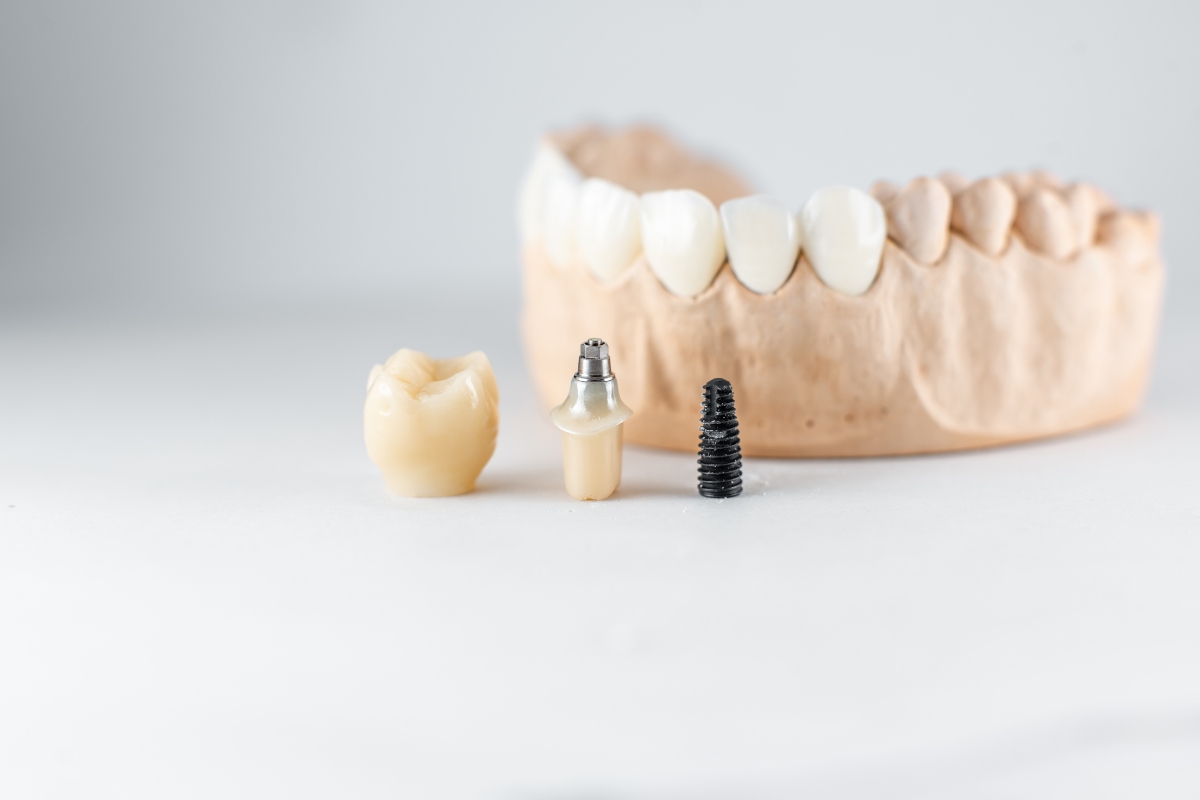
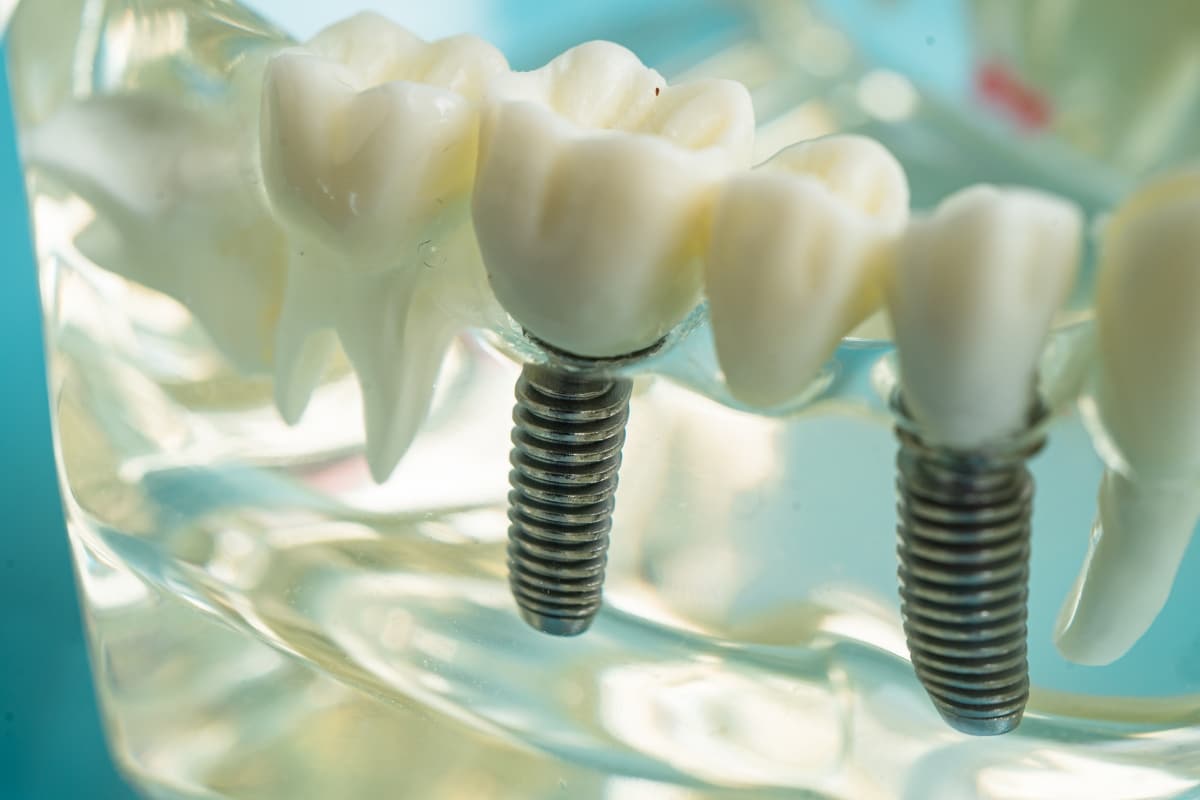
Before delving into the treatment process, let’s briefly discuss what dental implants are. Dental implants are artificial tooth roots made of titanium, surgically placed into the jawbone to support replacement teeth such as crowns, bridges, or dentures. They provide a strong foundation for these prosthetic teeth, ensuring stability and durability.
Dental Implant Treatment Process
1. Initial Consultation and Assessment
The first step in getting dental implants is a thorough consultation with your dentist or oral surgeon. During this visit, your oral health will be evaluated, and the feasibility of Dental Implants in Colorado Springs will be assessed. X-rays and, in some cases, 3D imaging may be used to get a detailed view of your jawbone structure.
2. Treatment Planning
Based on the assessment, a personalized treatment plan will be developed. This plan outlines the number of implants needed, the type of restoration (crown, bridge, or denture), and any additional procedures required, such as bone grafting or sinus lift. The treatment plan is a crucial roadmap that ensures a successful outcome.
3. Surgical Implant Placement
Once the treatment plan is finalized, the surgical phase begins. Local anesthesia is administered to ensure a pain-free experience. The oral surgeon or periodontist then carefully places the implants into the jawbone. The surgical procedure may vary depending on factors such as the number of implants and the condition of the jawbone.
4. Osseointegration
After implant placement, a healing period follows. Osseointegration is the biological process where the jawbone fuses with the titanium implant, providing a strong and stable foundation. This phase typically takes a few months and is crucial for the long-term success of the dental implants.
5. Abutment Placement
Once osseointegration is complete, a small connector called an abutment is attached to the implant. The abutment serves as a link between the implant and the final restoration. This is a minor surgical procedure, often done under local anesthesia.
6. Impressions and Restoration Design
With the abutments in place, impressions of your teeth and the implant site are taken. These impressions guide the design and fabrication of your final restoration. Whether it’s a single crown, bridge, or denture, the goal is to create a natural-looking and functional prosthetic that seamlessly integrates with your existing teeth.
7. Final Restoration Placement
Once the dental laboratory completes the restoration, it is time for the final placement. The dentist ensures proper fit, color matching, and bite alignment. The result is a fully restored smile that looks and functions just like natural teeth.
8. Post-Treatment Care and Maintenance
After the completion of the dental implant process, it’s essential to follow post-treatment care guidelines. This includes maintaining good oral hygiene, attending regular check-ups, and being mindful of any signs of complications. Dental implants can last a lifetime with proper care.
Benefits of Dental Implants
Now that we’ve explored the key steps in the dental implant treatment process, let’s highlight some of the significant benefits associated with this innovative tooth replacement solution:
1. Natural Appearance and Functionality
Dental implants closely mimic the look and function of natural teeth. They are custom-designed to match the shape, color, and alignment of your existing teeth, providing a seamless and natural appearance.
2. Improved Oral Health
Unlike traditional bridges that may require the alteration of adjacent teeth, dental implants do not rely on neighboring teeth for support. This preserves the integrity of your natural teeth and promotes overall oral health.
3. Enhanced Comfort and Stability
Dental implants eliminate the discomfort and instability often associated with removable dentures. They are securely anchored in the jawbone, allowing for confident eating, speaking, and smiling.
4. Longevity and Durability
With proper care, dental implants have an impressive lifespan. Unlike other tooth replacement options that may need replacement or adjustment over time, implants offer a durable and long-lasting solution.
5. Preservation of Jawbone Density
The presence of dental implants stimulates the jawbone, preventing bone loss that typically occurs when teeth are missing. This helps maintain facial structure and prevents the sunken appearance often seen in individuals with missing teeth.
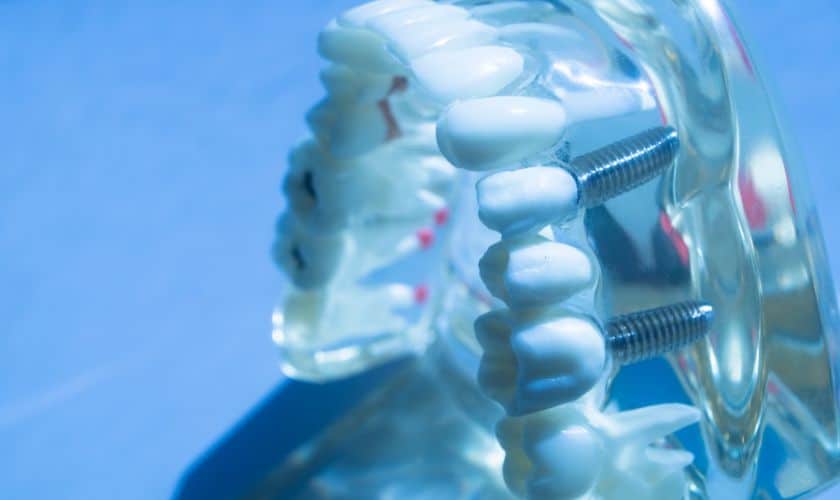
The dental implant treatment process is a carefully orchestrated series of steps designed to restore both the aesthetics and functionality of your smile. From the initial consultation to the final restoration placement, each phase plays a crucial role in ensuring the success of your dental implant journey.
If you are considering dental implants, consult with a qualified dentist in Colorado Springs, CO or oral surgeon to assess your candidacy and create a personalized treatment plan. Remember, investing in your oral health through dental implants not only enhances your smile but also contributes to overall well-being and confidence. Embrace the transformative power of dental implants and enjoy life with a fully restored and radiant smile.